
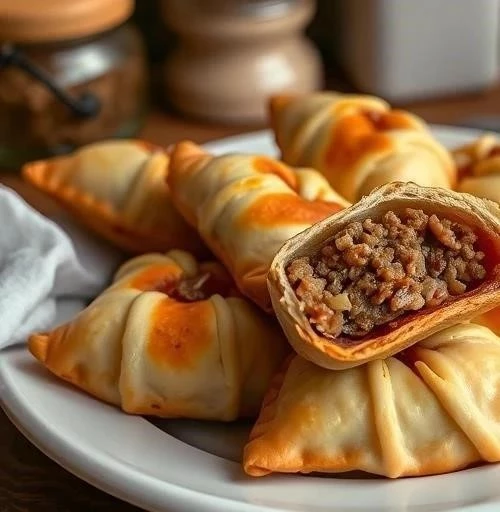
There is a small, wonderful transformation that happens when a bowl of flour meets a warm, tangy liquid: in minutes, it becomes dough ready to cradle a savory filling. No yeast, no waiting for a rise, and no special equipment are needed. This recipe makes tender, golden baked meat pies with a soft center and a lightly crisp edge. Think of them as pocket-sized comfort food—easy enough for a weekday, charming enough to share.
At a glance
Makes: about 10–12 pies Preparation: 30 minutes Resting: 20 minutes Baking: 20–25 minutes
Ingredients
For the yeast-free dough
- 2½ cups (about 320 g) all-purpose flour, plus a little extra for shaping
- 1 cup (240 ml) plain kefir or unsweetened yogurt, at room temperature
- 1 large egg
- 2 tablespoons neutral oil or melted butter
- 1 teaspoon baking powder
- ½ teaspoon baking soda
- ¾ teaspoon fine salt
- 1 teaspoon sugar, to round out the flavor
For the savory filling
- 350 g ground beef, lamb, or a mixture of beef and pork
- 1 small onion, finely diced
- 1 small garlic clove, minced (optional)
- 2 tablespoons cold water or stock
- ½ teaspoon ground cumin, plus black pepper and salt to taste
- 2 tablespoons chopped parsley or dill
- 1 egg, beaten with 1 teaspoon water, for brushing
Step-by-step: from bowl to golden crust
- Wake up the oven. Heat it to 200°C (400°F). Line a baking tray with parchment. A hot oven helps the dough puff gently and turns the outside beautifully golden.
- Make the filling first. Put the ground meat in a bowl with the onion, garlic, cumin, salt, pepper, and herbs. Pour in the cold water or stock. Mix just until combined; the extra liquid keeps the filling juicy while it bakes. If you prefer a milder onion flavor, soften the onion in a teaspoon of oil and let it cool before mixing it in.
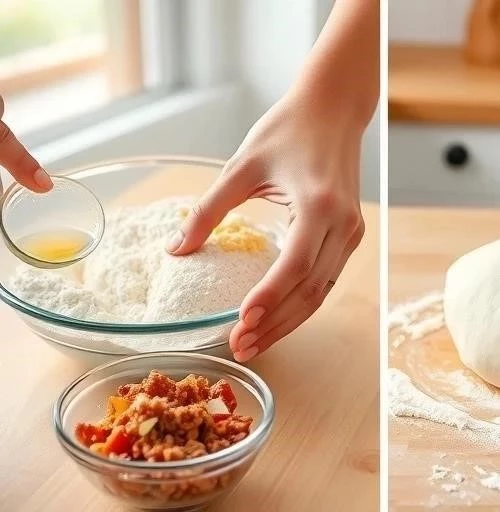
- Bring the dough together. In a large bowl, whisk the kefir, egg, oil, sugar, and salt. In another bowl, stir together the flour, baking powder, and baking soda. Add the dry ingredients to the wet mixture in three additions, stirring with a spoon at first and then using your hand. Stop when a soft dough forms. It should feel supple, not sticky enough to cling stubbornly to your fingers. Add flour a tablespoon at a time if needed; too much flour can make the pies tough.
- Let it rest. Cover the bowl and leave the dough for 20 minutes. This is not a rise: there is no yeast and no dramatic doubling. The brief pause simply lets the flour absorb moisture, making the dough easier to roll and less likely to spring back.
- Shape the little parcels. Dust the counter lightly with flour. Divide the dough into 10–12 equal pieces and roll each into a ball. Flatten one ball into a circle about 12 cm (5 inches) across, keeping the center slightly thicker than the edges. Add roughly 1½ tablespoons of filling. Bring the edges together over it and pinch firmly to seal. Turn the seam underneath and gently shape into an oval or round pie. Avoid overfilling: a tidy parcel bakes better than a heroic one that bursts open.
- Give them a golden coat. Arrange the pies seam-side down on the tray, leaving a little space between them. Brush each with beaten egg. For a small, fragrant surprise, sprinkle on sesame seeds, nigella seeds, or a pinch of cracked black pepper. Make one tiny vent in the top of each pie so steam can escape.
- Bake until inviting. Bake for 20–25 minutes, until deeply golden. Since the filling contains raw meat, check that the center reaches a safe temperature: 71°C (160°F) for ground beef or pork, or 74°C (165°F) for ground poultry. If the tops brown too quickly, loosely cover them with foil for the final minutes.
- Pause, then serve. Leave the pies on the tray for 5–10 minutes before eating. The filling will settle, and the first bite will be less likely to release a pocket of hot steam. Serve warm with a crunchy salad, pickled vegetables, or a spoonful of plain yogurt.
Why this no-yeast dough works
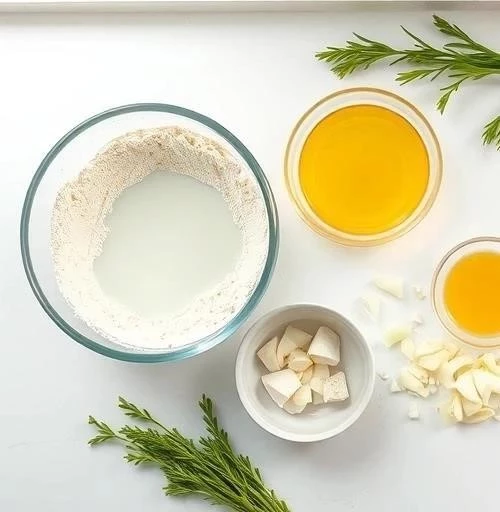
Kefir brings gentle tang and moisture; baking soda reacts with that acidity, while baking powder adds a little extra lift. Together they create a tender crumb without a long proofing time. The dough is deliberately simple and lightly enriched, so it rolls easily but still has enough flavor to stand beside a richly seasoned filling. It is not meant to be a stretchy, airy bread dough—it is a soft, dependable wrapper.
Small details, better pies
- Keep the filling cool. If the meat mixture feels warm, chill it briefly. Cool filling is easier to portion and less likely to soften the dough.
- Mind the flour. Flour the counter sparingly. A soft dough makes tender pies; adding handful after handful creates a dry crust.
- Seal with care. If an edge will not stick, dab it with a little water, then pinch again. Keep filling away from the rim.
- Make them your own. Add a pinch of smoked paprika, chopped mint, or a spoonful of finely grated carrot. A tiny amount of chili gives warmth without stealing the show.
For a make-ahead supper, shape the pies and refrigerate them, covered, for up to a day; brush with egg just before baking. Leftovers keep in the refrigerator for up to three days and reheat best in a 180°C (350°F) oven, where the crust can crisp again. You can also freeze baked, cooled pies and warm them straight from frozen, allowing extra time in the oven. The result is a practical little treasure: fresh-tasting meat pastries made without yeast, fuss, or an afternoon spent waiting for dough to rise.

2 Comments. Оставить новый
A recipe with the spirit of a weekday and the charm of a village market. The no-yeast dough skips the long prologue and gets straight to the golden ending, while the parsley or dill lets each batch choose its own accent. I can already imagine these disappearing from the tray before they’ve properly cooled.
These pies sound like little edible pockets of alchemy: kefir and baking powder doing the work of a patient baker, while cumin gives the filling a warm, roaming aroma. I especially like the cold splash of stock in the meat—it feels like a quiet trick that keeps every bite from turning into a desert.