
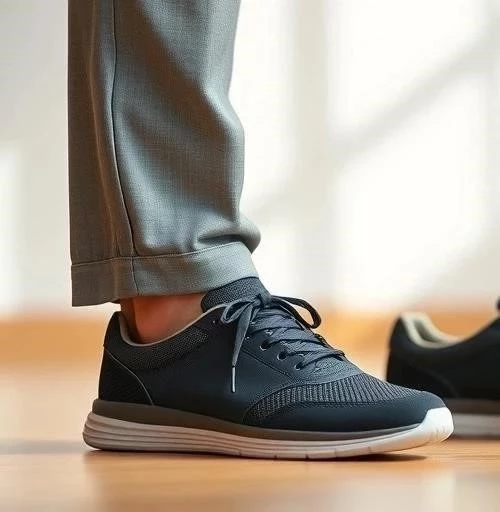
A long shift can turn a shoe into a tiny workplace: it must cushion, steady, breathe, and cooperate with changing feet. For older professionals—teachers, nurses, shop staff, consultants, and anyone who spends hours standing—the best sneaker is not necessarily the softest or most fashionable. It is the one that fits securely, feels comfortable late in the day, and suits the surfaces and tasks of the job.
This is an editorial shortlist, not a medical ranking. Models and features can change, and no shoe fits everyone. Try both shoes on, ideally later in the day, with your usual work socks. If you have persistent foot pain, balance concerns, diabetes, or a prescribed orthotic, ask a qualified clinician about your needs before choosing.
What working feet need
- Easy entry: A wide opening, flexible laces, or a hands-free design can make putting shoes on less of a production.
- Secure fit: The heel should not slip, and toes need room to spread. Extra width is useful only if the shoe still holds the foot steadily.
- Practical cushioning: Softness may feel lovely at first, but a stable platform often works better for long periods on hard floors.
- Job-appropriate traction: Check the outsole and your workplace rules. A regular walking sneaker is not a substitute for certified slip-resistant or protective footwear.
- Workday testing: Walk, turn, and stand in the shoes. A promising pair should feel comfortable without a painful “break-in” period.
20 workday-friendly picks
- New Balance 990v6 — A supportive, substantial option for professionals who want a secure-feeling everyday trainer. It comes in multiple widths in many markets; the structured build can feel too firm or heavy for some.
- New Balance Fresh Foam X 880 — A versatile walking-and-running style with a balanced ride for days that alternate between desk time and long corridors. Try it if you want cushioning without an especially plush sensation.
- Brooks Addiction Walker 2 — A walking-focused design often considered by people who prefer a more supportive, structured feel. Check current versions and workplace requirements; it is not certified work footwear by default.
- Brooks Ghost Max — A high-cushion choice for hard floors and steady walking, with a broad platform that some wearers appreciate. Its taller feel may not suit anyone who prefers close-to-the-ground shoes.
- HOKA Bondi 9 — Generous cushioning makes this a popular style to test for long standing shifts. The thick sole and rocker-like ride feel distinctive, so try it on your usual routes before committing.
- HOKA Clifton 10, Lighter-feeling than many maximum-cushion shoes, with a smooth rolling sensation. A candidate for professionals who walk between rooms all day, though the fit and sole shape are personal.
- ASICS Gel-Nimbus 27, A plush daily trainer for people who put comfort high on the list. It is designed for running, not specifically for work, so assess stability, grip, and comfort on your workplace floors.
- ASICS Gel-Kayano 31 — A supportive running shoe with a guided feel that may appeal to those who like their foot held securely. The structured ride is not universally comfortable; compare it with a neutral shoe.
- Saucony Ride 18 — A balanced, everyday option that avoids an overly soft feel. Consider it for mixed walking and standing, and check whether the available width accommodates your forefoot comfortably.
- Saucony Triumph 22 — A cushioned trainer for workers who want a softer landing during long walks. Its generous foam can feel different from a traditional work shoe, so test turns and quick direction changes.
- New Balance 928v3 — A walking shoe with a notably supportive, traditional construction and width options in some regions. It may suit people seeking a less fashion-forward workhorse; verify current stock and fit.
- New Balance 877 — A straightforward walking style worth trying for daily errands, commuting, and standing tasks. Its appeal is simplicity rather than high-tech softness; confirm that its cushioning feels adequate for your shift.
- Orthofeet Edgewater** — A comfort-oriented sneaker with a roomy design and removable insole in certain versions. It may be useful when extra space is needed, but compare the shoe’s volume with your own orthotic.
- Topo Athletic Phantom 3 — A running-inspired shoe with a roomier toe shape than many sleek trainers. That can feel liberating for some feet, but the broader front is not a substitute for a secure midfoot fit.
- Altra Experience Flow, A wide-toe-box option for people who dislike cramped toes. Its platform and foot position differ from conventional shoes; transition gradually and seek professional advice if you have concerns.
- FitFlop Rally — A casual sneaker that can move from a commute to an office setting. Check the exact version’s fastening, support, and sole grip; style-focused models may not meet demanding shift needs.
- ECCO Soft 7 — A polished leather sneaker for workplaces where a neat appearance matters. It offers a more understated look than a running shoe; confirm the fit, weight, and traction for your daily routine.
- Clarks Un Rio Lace — A practical, low-key option for office professionals who want sneaker comfort in a work-friendly silhouette. The feel varies by foot shape, and its dressier design may not suit wet or slick floors.
- Skechers Arch Fit 2.0 — A comfort-led everyday sneaker with an insole designed around arch support. “Arch support” is not automatically the right support for every person, so check whether the pressure feels comfortable.
- Dansko Pace — A sporty choice from a brand known for work-oriented footwear, suitable to investigate for busy days. Compare the fit with your usual shoes and confirm that the outsole matches your workplace’s safety rules.
How to choose without guesswork
Start with the shift. A healthcare worker moving quickly on potentially wet floors needs different features from a lecturer walking between classrooms or an office professional standing at a reception desk. Ask your employer whether there are requirements for slip resistance, protective toes, or uniform colors. If there are, meet those first; ordinary sneakers may not qualify.
Shop for your feet, not the label. Measure both feet while standing, and fit the larger one. Leave comfortable space in front of the longest toe, but do not compensate for a loose heel by tightening laces until they bite. Swelling can increase over a day, so an afternoon fitting often gives a more realistic picture. Bring any orthotic or work socks you actually use.
Test the whole motion. Walk at your normal pace, take a few turns, climb a step if available, and stand still for several minutes. Notice whether your heel lifts, your toes touch the front, or the arch feels like a hard lump. The ideal shoe should feel secure without demanding constant attention. If the shop allows it, test on a surface similar to your workplace.
Keep a second pair in the rotation. Alternating shoes can give each pair time to air out and lets you compare how your feet feel. Replace footwear when the tread is worn, the upper no longer holds the foot, or the cushioning has noticeably flattened—not simply because a calendar says so.
The professional’s final shortlist
For a structured walking feel, begin with the New Balance 928v3 or Brooks Addiction Walker 2. For substantial cushioning, compare the HOKA Bondi 9 with the Brooks Ghost Max. For a polished office look, try the ECCO Soft 7 or Clarks Un Rio Lace. For toe-room seekers, investigate Topo Athletic or Altra, while remembering that a roomy front still needs a stable fit elsewhere.
The best pair is not the one with the most dramatic foam, the longest feature list, or the loudest recommendation. It is the dependable colleague that lets you focus on your work instead of your feet—comfortable at the beginning of a shift, composed at the end, and appropriate for the floor beneath you;
1 Comment. Оставить новый
The best detail here is the reminder that “comfortable” has to survive the whole shift, not just the first five minutes in a shop. Shoes are small pieces of workplace equipment, and treating fit, traction, and job requirements separately makes this guide more useful than a simple list of soft soles. I’d add one tiny field test: walk your usual route, including the turns and stops, before deciding a pair is ready for duty.