
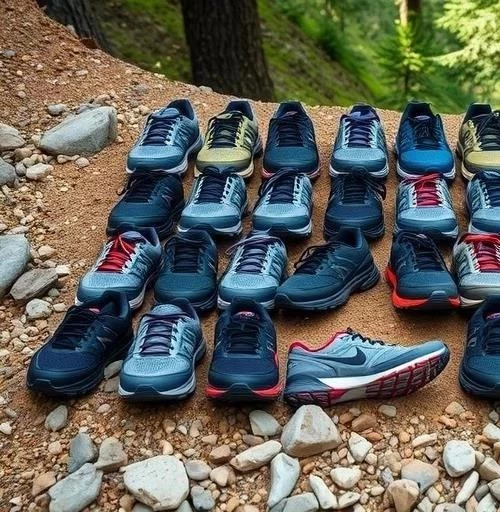
A good trail shoe is a small piece of weatherproof optimism: it cannot flatten a mountain‚ but it can make the miles beneath it feel kinder. Cushioning matters when the route stretches on‚ the ground turns stony‚ or tired legs begin to notice every root. Yet “more cushion” is not a universal spell. A tall‚ soft shoe can feel wonderfully protective on a forest track and less at home on a narrow‚ technical ridge.
Here is a practical‚ runner-first guide to 20 cushioned trail models‚ from plush cruisers to bouncy long-distance racers. It is a curated shortlist‚ not a laboratory ranking: models are grouped by their strengths‚ and shoes can change between generations. Check the current version‚ fit‚ outsole and intended terrain before buying. Most importantly‚ try them on if you can. The best cushioning is the cushioning your feet actually like.
First‚ what does “cushioned” mean on a trail?
Stack height describes how much material sits between foot and ground; foam feel describes how that material behaves. A thick midsole may be firm and stable‚ while a lower one can feel springy. Lugs‚ platform width‚ upper hold and your stride all affect the ride. For muddy hills‚ grip may matter more than softness. For long‚ runnable routes‚ a forgiving midsole can be a welcome companion.
Use the list as a map‚ not a verdict. “Best” depends on your foot shape‚ pace‚ terrain and preferred level of ground feel. If you are moving from road running to trails‚ begin with a shoe that feels secure and predictable—not simply the tallest one on the shelf.
The 20-shoe trail-cushion shortlist
HOKA Speedgoat 6 — the versatile mountain workhorse
The Speedgoat is a familiar pick for runners who want generous protection without giving up an energetic feel. Its grippy outsole and adaptable ride suit long days that mix dirt‚ rock and uneven climbs. It is a strong all-rounder for varied terrain‚ though its fit may feel snug to some feet. Try it with the socks you plan to race in.
HOKA Mafate Speed 4 — plushness with a quicker pulse
Think of the Mafate Speed as the Speedgoat’s more long-haul‚ adventure-minded cousin: ample underfoot protection‚ a lively character and a platform made for eating up distance. It is appealing for ultras and rugged all-day outings where comfort matters more than delicate ground feedback. The substantial feel will not suit runners who prefer a nimble‚ low-to-the-ground shoe.
HOKA Stinson 7 — the soft landing pad
The Stinson leans into comfort‚ with a broad‚ protective platform and a relaxed‚ steady ride. It can be a reassuring choice for easy trail miles‚ long outings and runners who simply want to soften the trail’s sharper edges. Its generous build feels less playful on tight‚ technical singletrack‚ so picture open paths and rolling terrain rather than a dance over boulders.
HOKA Tecton X 3, cushioned speed for big days
Designed with ambitious racing in mind‚ the Tecton X line pairs cushioning with a propulsive‚ structured feel. It makes sense for experienced runners seeking a fast shoe for long trail events and runnable mountain courses. A performance-oriented fit and lively platform may feel less forgiving to newcomers than a straightforward daily trainer. Choose it for pace and distance‚ not as a universal first trail shoe.
Brooks Caldera 7 — comfort when the route keeps going
The Caldera is built around a soft‚ protective ride for long training runs and ultra-distance days. Its cushioning helps take the sting out of repetitive miles‚ while the shape is aimed at steady movement over mixed trails. It is not the sharpest tool for fast turns or technical scrambling; its happy place is a long‚ rolling route where comfort has room to work.
Brooks Cascadia 18, the dependable trail companion
The Cascadia offers a balanced blend of cushioning‚ protection and controlled footing. It is a sensible choice for runners who encounter a little of everything and want a shoe that feels composed rather than dramatically soft. Compared with maximalist options‚ it gives a more connected ride. That middle ground is precisely its appeal: reliable for regular training‚ without demanding a particular running style.
Saucony Xodus Ultra 3 — made for the miles after the miles
The Xodus Ultra family targets long-distance comfort‚ with cushioning designed to keep legs happier as an outing grows. Its trail-ready outsole and protective platform make it a candidate for ultras‚ extended hikes and long training loops. Runners who enjoy a soft‚ substantial shoe may feel at home; those who want a light‚ agile sensation should compare it with a more stripped-back model.
Saucony Peregrine 14 — a nimble option with useful protection
The Peregrine is not a maximalist sofa‚ but it brings enough cushioning for many everyday trail runs while keeping a relatively agile personality. That makes it useful for runners who want to move quickly over mixed ground instead of carrying a tall‚ bulky platform. Pick it for shorter or moderate outings and lively routes; for very long days‚ try it first and decide whether its level of protection is enough for you.
ASICS Trabuco Max 3 — a smooth cruiser for long trails
The Trabuco Max is aimed at runners who want a notably cushioned‚ rolling ride for distance. It can turn steady forest paths and runnable trails into a pleasant rhythm‚ with protection that is welcome late in a long outing. Its bigger feel is less suited to tight corners and highly technical ground. If your routes are mostly flowing‚ it deserves a place on your try-on list.
ASICS GEL-Trabuco 13 — protective‚ grounded and adaptable
Where the Trabuco Max goes big‚ the GEL-Trabuco takes a more balanced approach. It combines trail protection and cushioning with a ride that feels more at home across changing surfaces. Consider it for everyday training when the route might include hard-packed dirt‚ loose sections or rocky patches. The exact sensation depends on the version and your foot‚ so assess heel hold and toe room rather than shopping by name alone.
New Balance Fresh Foam X Hierro v8 — soft comfort for familiar trails
The Hierro is a comfortable option for runners who like a forgiving foam feel on long‚ moderate routes. Its cushioning suits dirt paths‚ park trails and rolling terrain‚ while the outsole is intended to add confidence away from pavement. It is not a specialist mud shoe or a precision tool for steep rock gardens. Think of it as a plush everyday partner for trails that let you settle into a rhythm.
New Balance Fresh Foam X More Trail v3 — the maximalist daydream
For runners who want the ground to feel a little farther away‚ the More Trail is the high-cushion concept in this family. It is best considered for long‚ relatively runnable outings where comfort is the main objective. A tall‚ soft shoe can feel less controlled on awkward terrain‚ particularly if you are used to lower platforms. Test it on turns and slanted ground before committing to an ultra.
Salomon Ultra Glide 2 — smooth motion over long distances
The Ultra Glide is built to make distance feel fluid‚ with cushioning and a rolling character suited to sustained running. It is a compelling option for smoother trails‚ long training sessions and runners who like to keep moving rather than pick their way over every obstacle. Its fit and lacing feel are personal; get the heel secure without crushing the forefoot‚ especially if your feet swell on long runs.
Salomon Genesis — capable comfort for mountain routes
The Genesis aims for a blend of protection‚ grip and confidence on demanding trails. It offers cushioning for long days while keeping a more mountain-ready character than a pure gravel-path cruiser. That balance can appeal to runners who want one shoe for varied alpine terrain. On steep descents‚ fit becomes part of the safety system: your toes should not slam into the front when you lean downhill.
Salomon S/LAB Ultra 3, a race-minded long-distance choice
This model is for runners looking at Salomon’s performance-oriented end of the trail spectrum. It brings protection for distance in a shoe designed with racing and efficient movement in mind‚ rather than a soft‚ casual feel. Consider it if you already know what you want from an ultra shoe and appreciate a more structured ride. It may be more shoe than a new trail runner needs for relaxed weekend paths.
Nike Zegama 2 — cushioning for ambitious‚ runnable adventures
The Zegama 2 is a highly cushioned choice for runners who want comfort over long trails without abandoning an energetic feel. It can suit endurance training and race-day routes with plenty of runnable ground. Its substantial build is not automatically ideal for muddy‚ highly technical courses‚ where lug design and control become decisive. Check the current outsole and upper details for your conditions‚ and judge the fit with downhill movement in mind.
adidas Terrex Agravic 3 — a balanced pick for mixed terrain
The Agravic line brings a more versatile trail-running approach‚ with cushioning aimed at training and varied routes rather than maximum softness alone. It can suit runners who want a stable-feeling daily shoe for dirt‚ gravel and moderate trails. Compared with the plushest models here‚ expect a more connected sensation. That can be an advantage when the ground gets uneven and you want to feel where each step lands.
Altra Olympus 6 — generous cushion with a roomy front
The Olympus combines substantial cushioning with Altra’s characteristic foot-shaped toe box‚ which gives toes more room to spread. Its zero-drop design is a major part of the experience‚ not a minor detail: runners accustomed to traditional heel-to-toe drop should transition gradually. It can be a comfortable companion for long outings and hikers who run‚ provided the shape and platform suit their stride and terrain.
Altra Experience Wild — cushioned comfort with a gentler transition
The Experience Wild is an option for runners intrigued by Altra’s roomier fit but looking for a less abrupt step into the brand’s geometry than a zero-drop model. It offers a cushioned trail ride for everyday miles and mixed routes. Fit is still personal‚ and “roomy” should not mean sliding around: secure your heel and midfoot‚ then make sure the toes have space on descents.
Topo Athletic Ultraventure 3, roomy comfort for long‚ steady days
The Ultraventure 3 pairs a cushioned ride with Topo’s roomy toe-box approach‚ making it attractive to runners who dislike squeezed forefeet. It is suited to long‚ steady outings on non-extreme trails‚ where comfort and a natural-feeling fit take priority. Check the heel and midfoot carefully: generous space at the front is useful only if the rest of the shoe holds your foot securely.
Choose by the trail you actually run
- For long‚ flowing routes: start with the HOKA Mafate Speed 4‚ Brooks Caldera 7‚ Saucony Xodus Ultra 3‚ ASICS Trabuco Max 3 or Salomon Ultra Glide 2.
- For mixed everyday trails: consider the HOKA Speedgoat 6‚ Brooks Cascadia 18‚ ASICS GEL-Trabuco 13‚ New Balance Hierro v8 or adidas Terrex Agravic 3.
- For a roomier toe box: try the Altra Olympus 6‚ Altra Experience Wild or Topo Ultraventure 3‚ while checking that the midfoot and heel still feel secure.
- For a quicker‚ more performance-focused ride: compare the HOKA Tecton X 3‚ Salomon S/LAB Ultra 3 and Saucony Peregrine 14. Their feel and intended use differ‚ so try them at your planned pace.
- For soft comfort on easier terrain: look at the HOKA Stinson 7 or New Balance More Trail v3‚ then test their tall platforms on turns and slopes.
A five-minute fitting ritual
- Shop later in the day. Feet often expand as the hours pass‚ much as they do during a run.
- Wear your running socks. A small change in thickness can alter heel hold and toe room.
- Check the downhill fit. Stand on an incline if possible. Your toes should not be jammed against the front.
- Test the edges. Walk‚ jog‚ turn and step sideways. The foot should feel held‚ not trapped or perched;
- Try them on real terrain. A shop floor cannot reveal how foam‚ grip and stability feel after an hour outside.
The final mile
Cushioning is not a promise that every rock will disappear. It is a way of managing impact and comfort so you can give more attention to the trail ahead. Pick a shoe for your terrain first‚ your foot second‚ and the advertised softness third. If two models feel equally good‚ let grip‚ fit and confidence break the tie.
The right pair might be a plush ultra cruiser‚ a roomy shoe that lets your toes breathe‚ or a balanced trainer that quietly handles whatever the path invents. Take it on a short familiar loop before asking it to carry you into the mountains. Then let the trail write the rest of the review.
6 Comments. Оставить новый
The Speedgoat description captures the appeal of a dependable mountain companion without pretending it fits every foot. I’d happily use this shortlist as a starting point, then let the try-on test have the final word.
I like that this guide treats cushioning as a conversation between the shoe and the terrain, not a contest to see who can stack the most foam. The reminder to try shoes with your usual socks is wonderfully practical.
This makes shopping feel less like decoding a wall of numbers and more like planning a route. The advice for road runners to choose predictable comfort before chasing maximum height is especially sound.
The distinction between stack height and foam feel deserves a little trail sign of its own. A shoe can look like a mattress and still ride firm, while a slimmer one may surprise you with bounce.
“A map, not a verdict” is exactly the right spirit for gear advice. Trail shoes can feel like trusted friends on one path and awkward guests on another; this introduction leaves room for that reality.
I appreciate the refusal to crown one universal winner. Mud, rock, distance and foot shape all get a vote—and sometimes the smallest detail, like a secure upper, saves the whole outing.