
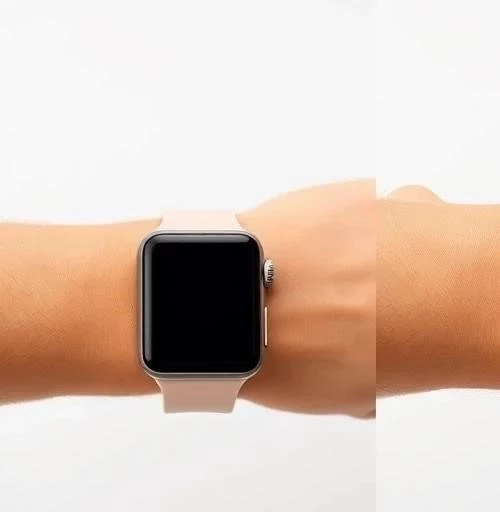
When choosing between the 40 mm and 44 mm Apple Watch, the difference is easy to notice once the watch is on your wrist. The larger model has a broader, more prominent presence, while the 40 mm version looks compact and understated. Neither size is inherently better: the right choice depends on your wrist, preferred style, comfort, and how much screen space you want.
What the numbers mean
The millimeter measurement refers roughly to the height of the watch case, not the width of the display. On models offered in both sizes, the 44 mm case is also wider, so it occupies more of the wrist. Exact dimensions and screen shapes vary between generations; these figures are a useful comparison, not a guarantee that every 40 mm or 44 mm model has identical proportions.
In everyday terms, the 40 mm watch tends to look neat and close-fitting. Its face is less likely to dominate a slim wrist, and it can resemble a small, classic wristwatch. The 44 mm version reads more like a piece of modern tech: its larger face is more visible from a distance and may extend closer to the edges of a narrow wrist.
How each size tends to look
- 40 mm: A discreet, balanced look on small and many medium wrists. The case generally leaves more visible space around it, which can make the watch feel lighter and less conspicuous.
- 44 mm: A bolder, sportier look. It can suit medium and larger wrists especially well, and people who like a substantial watch may prefer its stronger visual presence.
- On a small wrist: The 44 mm model may look oversized, though some people intentionally like that style. Check that the case does not overhang the sides of your wrist.
- On a broad wrist: The 40 mm model may look restrained or delicate, while the 44 mm case can appear more proportionate. Personal taste still matters more than a strict rule;
These are only visual tendencies. Wrist shape matters as well as wrist circumference: a flat wrist can make a wide case sit differently from a rounded one. The strap, case color, and band style also change the impression. A dark case or narrow band may look quieter; a bright finish or wide sport band can make either size stand out.
Comfort, screen space, and daily use
The size affects more than appearance. A larger display gives text, notifications, complications, and buttons more room, which some people find easier to read and tap. It can be convenient if you use the watch frequently without reaching for your phone. The smaller model offers a more compact feel and may be less noticeable under a sleeve or during sleep.
Comfort depends on fit, not just case size. The watch should sit securely above the wrist bone without pinching, sliding around, or leaving deep marks. A case that is too wide for your wrist may bump into your hand when you bend it. Conversely, a snugly fitted 44 mm watch can be perfectly comfortable for someone with a smaller wrist if its shape and band work for them. Band sizing and adjustment are important for both sizes.
A simple way to compare them
- Try both watches on the same wrist, with the bands adjusted to a similar fit.
- Look at the case from above and from the side. Check whether its edges stay within the width of your wrist and whether it interferes with bending your hand.
- Open a screen you use often, such as a message or workout view. Decide whether the larger display feels meaningfully easier to read.
- Wear each for a few minutes and notice weight, sleeve clearance, and whether the watch feels visually too large or too small.
If you cannot try them in person, cut out paper rectangles using the case dimensions for the exact generation you are considering. Place each on your wrist and compare its footprint. This will not reproduce the screen, thickness, or curved edges, but it gives a better sense of how much wrist the case covers than the number alone.
Which one should you choose?
Choose 40 mm if you want a compact, subtle look, have a smaller wrist, or prefer a watch that stays out of the way. Choose 44 mm if you want a larger, easier-to-read display, enjoy a bold appearance, or find that a smaller case looks lost on your wrist. If you are between sizes, let comfort and your own reaction in the mirror decide rather than relying on wrist measurements alone.
Bottom line: The 40 mm Apple Watch usually looks more delicate and discreet; the 44 mm looks larger and more noticeable. Both can look good on many wrists. The best fit is the one that sits comfortably, suits your style, and gives you the screen size you will enjoy using.


3 Comments. Оставить новый
The wrist-shape point is especially helpful. Trying a watch on in person is a good way to see whether the case sits comfortably without overhanging.
This is a balanced guide that focuses on comfort and personal style rather than declaring one size universally better. The practical comparisons make the choice easier.
I appreciate the reminder that the millimeter measurement describes the case, not simply the screen. That makes the comparison much clearer.