
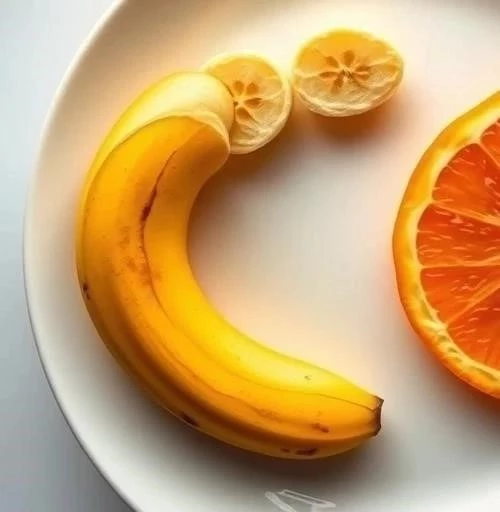
Fruit can look appealing on a breakfast plate‚ dessert‚ or snack board when the pieces are even and arranged with care․ A sharp knife‚ a stable cutting board‚ and ripe but firm fruit are the main tools․ Wash the orange before cutting it‚ and peel the banana just before serving so its surface stays fresh․
Prepare the fruit and tools
Choose a banana without soft‚ bruised spots․ A slightly firm fruit is easier to cut cleanly than one that is very ripe․ Select an orange that feels heavy for its size and has smooth‚ intact skin․ Use a small sharp knife for peeling and trimming‚ and a wider knife for slicing․ Place a damp cloth beneath the cutting board if it tends to move․
Banana slices and shapes
Peel the banana and remove any stringy fibres․ Lay it on the board and hold it gently‚ keeping fingertips curled away from the blade․ For simple round coins‚ cut straight across at regular intervals․ Pieces about 5–8 millimetres thick work well in cereal‚ fruit salad‚ or as a garnish․ Use slow‚ steady strokes rather than pressing down hard; this helps prevent the soft fruit from flattening․
For oval slices‚ angle the knife diagonally across the banana․ A more pronounced angle creates longer pieces‚ useful for decorating a plate․ To make neat halves‚ cut the fruit lengthwise‚ then place the flat sides down for stability and slice into shorter sections․ Arrange coins in an overlapping line‚ a fan‚ or a loose circle․ If preparing them in advance‚ a little lemon juice can slow browning‚ though it adds a tart flavour․
Orange wedges‚ wheels‚ and segments
For round wheels‚ trim a thin slice from the top and bottom so the orange sits securely․ Cut crosswise into even rounds‚ removing seeds with the knife tip․ Thin wheels suit drinks and plate decorations; thicker ones are easier to pick up and eat․ To create half-moons‚ cut each wheel in half․
For wedges‚ stand the orange on a trimmed end and cut it in half from top to bottom․ Lay each half cut-side down‚ then divide it into equal wedges․ Remove visible seeds․ For a tidier‚ peel-free presentation‚ slice away the peel and white pith: set the fruit on the board‚ cut down along its curve‚ and rotate it as you work․ Cut between the membranes to release individual segments‚ collecting them over a bowl to catch the juice․
Arrange and serve
Combine shapes for contrast: place banana coins beside orange wedges‚ or alternate banana ovals with orange wheels around the edge of a plate․ Keep pieces similar in size when serving a group‚ and leave a little space so the colours remain distinct․ A small mint leaf or a few berries can add a finishing accent without hiding the fruit․ Serve soon after cutting‚ especially if the banana is exposed to air․
Clean cuts and safe handling
- Use a clean‚ dry board and a sharp knife; a dull blade can crush ripe fruit․
- Make cuts on a stable surface and keep fingers clear of the blade’s path․
- Wipe the knife between fruits if juice or pulp builds up on it․
- Refrigerate prepared fruit in a covered container if it will not be served immediately․
Consistent thickness‚ careful trimming‚ and a simple arrangement are usually enough to make sliced banana and orange look polished while keeping the fruit easy to eat․



9 Comments. Оставить новый
The article clearly outlines useful techniques for preparing banana slices and orange shapes. The safety reminders about knife handling and a stable cutting board are practical.
This piece offers clear preparation tips and accessible cutting methods. Its focus on ripe but firm fruit helps explain how to achieve cleaner slices.
The article describes several ways to cut and arrange fruit without making the process seem complicated. The emphasis on steady, controlled knife strokes is helpful.
The article balances preparation advice with simple cutting methods. Its reminders about keeping fingertips away from the blade are especially relevant.
The instructions cover both appearance and practical handling. Readers can use the suggested shapes for different dishes and serving styles.
The examples of round, oval, and angled cuts make the instructions more specific. The advice on lemon juice also notes a useful trade-off in flavour.
The guidance is straightforward and suited to everyday food preparation. The sections on choosing fruit and stabilizing the cutting board add useful context.
This is a practical overview for preparing fruit for snacks or presentation. It explains how ripeness and cutting angles can affect the result.
The instructions are organized by fruit and cut, which makes the guidance easy to follow. The suggested slice thicknesses also provide helpful detail.