
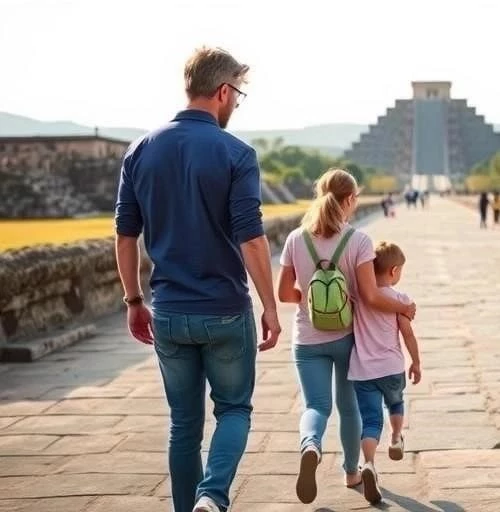
Teotihuacan is the kind of place that makes children look twice: first at the enormous pyramids, then at the tiny people walking beside them․ Once a thriving city, it now stretches across a broad archaeological landscape about 40 kilometres northeast of Mexico City․ The temptation is to see every avenue, temple and museum in one heroic march․ Resist it․ A family day here works better as a story with pauses than as a checklist with tired feet․
The family rule: choose one big thing
Before you go, agree on one shared highlight․ It might be the Pyramid of the Sun seen from the avenue, the intricate carvings at the Temple of the Feathered Serpent, or simply discovering how far the ancient city extends․ Treat everything else as a bonus․ The site is vast and exposed, and the distance between sights can feel longer under the high-altitude sun than it looks on a map․
Check current opening hours, ticket arrangements and access rules shortly before travelling․ Conditions and restrictions can change, including which structures visitors may enter or climb․ Make the visit rewarding from ground level; no pyramid summit is worth turning the day into a family negotiation․
A gentle rhythm for the day
- Travel without a race․ Leave Mexico City in the morning, allowing extra time for traffic and the chosen transport․ A pre-arranged driver or organised tour can simplify logistics; public transport is another option for families comfortable navigating the journey․ Confirm the return plan before setting off, especially if travelling independently․
- Start with a short orientation․ At the entrance, look at a map together and point out the main avenue and the monuments you hope to see․ Keep the map in a grown-up’s bag and let a child be the “route captain” for the first stretch․
- Explore in small chapters․ Walk part of the Avenue of the Dead, pause for photographs, and choose one area to explore more closely․ If everyone is still curious, continue toward another landmark․ If not, turn the visit into a success by stopping while energy remains․
- Make room for a real break․ Find an appropriate place to rest, drink water and have a snack if site rules allow․ Then decide together: one more viewpoint, a museum visit if open and appealing, or the journey back․ The best schedule has a blank space in it․
Pack for comfort, not conquest
Teotihuacan offers long sunny stretches and limited shade․ Bring sun hats, sunscreen, comfortable closed-toe walking shoes and enough drinking water for your family․ A light layer can be useful for a cooler morning, while a small snack may rescue a child whose interest in ancient architecture suddenly gives way to urgent hunger․ Check what items are permitted before you pack․
For toddlers, a carrier is often more practical than a stroller: paths may be uneven, and the walk is extensive․ Older children can carry a small day bag, but keep it light․ A notebook, a simple sketch challenge or a “spot the stone detail” game can make the ruins feel like an expedition rather than a history lesson․
Turn the ruins into a family adventure
Instead of asking children to remember dates, give them a mystery: How would people find their way through this city? Which building looks most carefully decorated? Where would they choose to watch the sun move across the sky? Let each person choose a favourite detail and explain why․ These small observations can become the day’s souvenirs—more memorable than a race to photograph every monument․
Keep expectations flexible․ Heat, crowds, walking distance and a child’s mood all shape the visit․ If someone needs a quiet moment, sit, sip water and watch the landscape․ If the whole family is fascinated, linger․ A slower pace doesn’t mean seeing less; it means noticing more․
Leave before the magic wears out
Plan the return while everyone is still comfortable, rather than waiting for the last person to run out of patience․ Back in Mexico City, dinner can be simple and early․ On the way home, ask each child to invent a name for one monument or tell the family which place they would revisit․ Their answers may be wonderfully inaccurate—and wonderfully revealing․
The ideal Teotihuacan family trip is not a march from pyramid to pyramid․ It is a morning of big horizons, manageable walks and unhurried curiosity: one ancient city, one chosen highlight, and enough energy left to talk about it afterward․
6 Comments. Оставить новый
A useful reminder that the sun and distances deserve as much planning as the monuments. I appreciate the gentle warning to enjoy the site from the ground rather than chasing a summit.
The route-captain idea is charming and practical. Give a child a map, and suddenly the walk is not just a walk—it is a mission with ancient scenery.
I love the idea of choosing one “big thing” instead of turning the day into a pyramid-shaped fitness test. That small shift could make the whole visit feel more like an adventure.
I can picture a child proudly leading the first stretch of the avenue, map held like a treasure chart. This guide understands that memorable travel often comes from small roles, not grand plans.
This makes Teotihuacan sound less like a checklist and more like a story told in chapters. That is a lovely way to help children stay curious without wearing everyone out.
The practical note about confirming transport and access rules is easy to overlook, but it could save a family from a day of logistical surprises. Thoughtful advice, beautifully paced.