
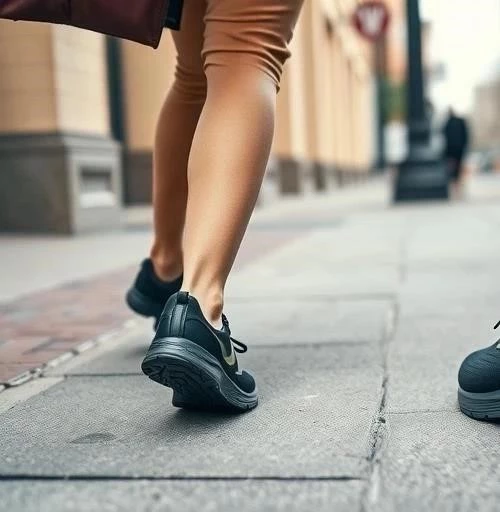
A running shoe can be a small piece of sports equipment—or a surprisingly good companion for grocery queues, long commutes and the walk that accidentally turns into five miles. Under Armour makes plenty of shoes designed to run. But how do they behave when the finish line is a café, an office or the front door?
Under Armour running shoes often promise the same appealing combination: light weight, cushioning, a breathable upper and a sole ready for regular miles. Those qualities can translate beautifully into daily life. They can also bring trade-offs: a sporty look that does not suit every outfit, a fit that varies by model, and cushioning that feels wonderful on one person’s foot but oddly firm or unstable on another’s.
The useful answer is not “yes, running shoes are perfect for everyday wear” or “no, save them for training.” It is: the right Under Armour model can be an excellent daily shoe, provided its running personality fits your actual day. Here is how to judge that personality before you ask it to take you from a morning bus to an evening walk.
First, a small reality check: Under Armour is not one shoe
A brand name does not tell you how a shoe will feel. Models differ in cushioning, upper material, support, weight, tread and shape. A neutral, lightweight trainer may feel nimble on pavement but less forgiving on a long day of standing. A more cushioned model may soften repetitive steps yet feel bulky if you want a close-to-the-ground sensation. Even two shoes that look almost identical online can fit differently.
Examples in the supplied product information illustrate that range. The UA Rogue 6 is described with Charged Cushioning, intended to absorb impact and return energy. Charged Pursuit 3 is presented as a lightweight, breathable option with responsive foam. HOVR Machina Breeze is praised in a customer comment for its mesh upper, soft feel and springy sensation while walking. Charged Breeze 2 is described with a durable rubber outsole and grip. These are clues, not lab results—and they should not be treated as a guarantee that every wearer will have the same experience.
There are also lifestyle-leaning designs in the mix. An Edge Suede customer review describes Under Armour shoes as comfortable for everyday use, while suede changes the shoe’s visual and practical character: it may look less like gym gear, but it is not the easiest surface to keep pristine in rain or slush. The central question is therefore not simply “Which brand?” It is “Which model, for which day, on which ground?”
The advantages: where running shoes earn their place in daily life
Cushioning can make ordinary miles feel less ordinary
Daily wear involves a surprising number of small impacts: paving stones, station stairs, hard floors, errands taken at a hurry. A running shoe’s midsole is designed to manage repeated steps, so its cushioning may feel more accommodating than that of a thin, rigid fashion sneaker. Under Armour’s Charged Cushioning models, including the Rogue 6 and Charged Pursuit family, are marketed around impact absorption and a responsive ride.
That “responsive” quality is worth understanding. The ideal sensation is not necessarily a mattress underfoot. Some people like a little spring that helps each step feel lively; others prefer a softer, more relaxed landing. A shoe that feels energetic on a short try-on may not be the shoe you want after hours on a hard floor. Try it while walking, not just while standing in front of a mirror.
Lightness is a practical superpower
A lighter pair can feel easier to wear when your day involves walking, commuting or carrying the shoes in a bag. It may also feel less cumbersome than a heavy casual sneaker. Several Under Armour running models are described as lightweight, and that matters outside training: less shoe can make a long walk feel less like a chore and more like a pleasant detour.
But “light” should not automatically mean “better.” A very light shoe may have less structure or protection than you want for rough pavements, wet weather or hours of standing. Think of weight as one item on the checklist, not the whole checklist;
Breathable uppers can help on warm, active days
Mesh is one of the strongest arguments for wearing running shoes casually; It allows more airflow than many dense, synthetic or leather-like uppers. A customer comment about the HOVR Machina Breeze specifically praises its mesh construction in summer, along with the soft, springy feel. For a warm commute, a long walk or an unexpectedly sunny day, ventilation can make a noticeable difference to comfort.
There is a corresponding limitation: breathable mesh is not the same as waterproofing. Rain can pass through, and a light upper may offer less protection from cold wind or puddles. A shoe that feels like a breeze in July may feel like an open window in November. Season matters.
Running-ready grip can be useful on everyday routes
Some models use rubber outsoles with tread or reinforcement in areas that experience more friction. The Charged Breeze 2 product description, for example, highlights rubber, grip and durability. On typical urban surfaces, a suitable outsole can offer reassurance when you move quickly between pavement, crossings and indoor floors;
Still, “grippy” is not a promise of all-weather security. Running shoes are not automatically winter shoes, and shallow or road-focused tread is no substitute for footwear designed for ice. If your daily route includes polished floors, wet tiles, mud or snow, pay attention to the outsole pattern and the conditions the model is meant for.
Sporty design can be genuinely versatile
Under Armour’s familiar athletic styling pairs naturally with joggers, jeans, shorts, leggings and casual layers. Neutral colours—black in particular—can make a running model easier to wear across a week of outfits. Some designs lean strongly into sport; suede or more restrained colour blocking may feel closer to a casual sneaker.
This versatility is not about pretending that a running shoe is a dress shoe. It is about choosing a pair that looks intentional with your normal clothes. If you commute in relaxed outfits, the distinction between “training shoe” and “everyday shoe” may barely matter. If your workplace has formal expectations, no amount of foam technology will make a mesh runner fit a polished dress code.
One pair can cover several roles
A well-chosen neutral trainer may move between a light run, an errand, a walk and a gym visit. For people who want a practical capsule wardrobe rather than a hallway crowded with shoes, that flexibility is valuable. A Charged Pursuit-style model may appeal to someone who wants a light everyday trainer; a more cushioned option may suit someone whose casual routine includes longer walks. The best choice depends on which activity occupies most of the week.
The drawbacks: when a running shoe feels out of its element
Comfort is personal, and the fit is the first test
Online descriptions can say “comfortable,” “light” or “responsive,” but your foot does the final review. Toe-box width, arch shape, heel hold and the way the upper bends can vary between models. If your toes feel squeezed, your heel slips or the shoe presses on a particular spot, a promising review cannot fix that mismatch.
Try shoes on later in the day if possible, when feet may be slightly larger, and wear the socks you expect to use. Leave enough room in front of the toes without allowing your foot to slide around. Walk briskly, turn and go up a few steps. If the shoe is intended for both running and daily wear, test it at both speeds. A comfortable stroll does not necessarily reveal how it will feel once your pace rises.
A running gait and an all-day standing day are not the same task
Running shoes are engineered around forward movement and repeated stride patterns. Daily life adds standing still, side-to-side movement, stairs, uneven pavements and long hours on hard floors. A shoe that feels lively for a short run may not provide the stable, relaxed platform you personally prefer for standing. Conversely, a firm shoe that feels unremarkable at first can feel dependable after a full day.
Do not assume that more cushioning automatically means more comfort or that one model is right for everyone’s feet. If you have persistent pain, a specific support need or a history of injury, a product description is not a substitute for advice from a qualified professional. Comfort is useful information; it is not a diagnosis.
Mesh is airy—but can be less protective
The same open structure that ventilates a shoe can let in water, dust and cold air. Light mesh may also show scuffs more readily than a denser upper. For dry, warm conditions, that trade may be worthwhile. For rainy commutes, dirty paths or cold seasons, you may prefer a more protective model or a second pair.
Suede offers a different compromise. It can make a sneaker feel more relaxed and less overtly athletic, as the UA Edge Suede example suggests, but it needs more careful handling than a wipe-clean synthetic upper. Material choice changes the maintenance routine as well as the appearance.
The sporty look does not suit every setting
Bold logos, technical mesh and sculpted midsoles announce “sportswear.” That can be a plus when the outfit is casual; it can be a minus at a formal workplace, an event with a dress code or anywhere you want a quieter silhouette. A black model may be easier to style, but colour cannot completely disguise a distinctly athletic shape.
Daily use can wear out a training shoe faster
When a pair handles both workouts and everyday miles, its mileage adds up from two directions. The outsole may wear, the midsole may lose some of its original feel and the upper may crease or fray. Hard floors and rough pavements can be less forgiving than a track. A shoe does not need to look broken to feel different, so pay attention to comfort, grip and any change in stability rather than waiting for a dramatic hole.
There is also a practical cost: once your only pair is wet, dirty or worn out, both your training plan and your everyday routine lose their footwear. If you use one pair for everything, let it dry between wears and clean it according to its materials. Rotating shoes can help if your budget and storage space allow it.
Model names and marketing language can blur important differences
Words such as “Charged,” “HOVR,” “responsive” and “cushioned” sound informative, but they do not tell you everything about the ride. Specifications can change across versions, and the product page may emphasize running performance rather than the details that matter to a commuter. Check the exact model, intended use, upper and outsole—not simply a familiar name or an attractive discount.
Which kind of daily wearer might like which kind of shoe?
- The warm-weather walker: Look at a breathable mesh model and check that its fit remains comfortable after several minutes of walking. A HOVR Machina Breeze customer comment points to the appeal of airflow and a springy feel, but treat that as one wearer’s experience, not a universal verdict.
- The casual runner who also runs errands: A versatile trainer such as a Charged Pursuit-type model may make sense if it fits well and you want a light shoe for mixed use. Confirm the actual version and its fit before buying.
- The person on hard pavements all day: Compare cushioning and stability in person. The Rogue 6’s product description highlights Charged Cushioning, but a technology label cannot tell you whether its firmness and shape suit your feet.
- The style-first wearer: Consider restrained colours or a more casual-looking upper, such as suede, while being realistic about cleaning and weather resistance.
- The rainy-season commuter: Do not select solely for breathability. Look closely at water protection, outsole grip and the conditions in which you will wear the shoe. A standard mesh runner may be happiest on dry days.
A five-minute fitting ritual
- Check the length. Your toes should not be pressed against the front, especially when walking downhill or stepping quickly.
- Check the width. The foot should feel secure without pinching. Do not rely on the upper stretching to solve a painful fit.
- Check the heel. A little movement can happen, but repeated slipping may cause discomfort.
- Walk, turn and pause. Notice whether the shoe feels stable during ordinary movements, not only when standing still.
- Imagine your real day. A shoe for ten-minute errands can be different from one for a long commute, a shift on your feet or a daily run.
So, are Under Armour running shoes good for everyday wear?
Often, yes—especially if you value cushioning, low weight, a breathable feel and an athletic look. Models with Charged cushioning or mesh uppers can offer a practical mix for walks, commutes and casual activity. Customer comments and product descriptions for several Under Armour models point to comfort, springiness and everyday usefulness, but the available examples are not a controlled comparison and should not be mistaken for proof that every model suits every foot.
The trade-offs are just as real: fit varies, airy uppers may be poor in wet or cold weather, a running silhouette may not work with every outfit, and a shoe used every day accumulates wear quickly. Running shoes are also not automatically the best choice for long periods of standing or for slippery winter conditions.
Think of the ideal pair as a small urban all-rounder, not a magic shoe. It should feel right on your foot, suit your route, cope with your weather and match the clothes you actually wear. If those pieces line up, an Under Armour running shoe can travel well beyond the running track. If they do not, the cleverest foam in the world will still be waiting by the door while you reach for something more comfortable.
Sources and buying note
This overview draws on the supplied product descriptions and customer-comment excerpts for Under Armour UA Edge Suede, UA Rogue 6, Charged Pursuit 3, HOVR Machina Breeze and Charged Breeze 2. Product details and availability can vary by region and model version. Check the specific listing, sizing information, return policy and care instructions before purchasing.
7 Comments. Оставить новый
I appreciated the attention to trade-offs, especially the point that sporty style and all-day comfort are separate questions. A shoe can win on the pavement and still lose the outfit vote.
The “finish line is a café” idea made me smile. Everyday shoes are judged in all the unspectacular places—bus stops, grocery aisles, and that last block home—so this is a much more useful lens than performance jargon alone.
I like the article’s refusal to treat a brand name as a foot-shaped guarantee. A shoe can be a delight on a quick walk and a tiny grievance by hour six; the model-by-model approach makes that distinction feel refreshingly real.
The strongest idea here is that a daily shoe should match the rhythm of your day, not an idealized workout. I’m now imagining each pair having its own tiny commute résumé—and checking the fit before hiring it.
A good reminder that cushioning is personal, not a universal blessing. One person’s cloud may be another person’s wobbly raft. I’d love to see this kind of honest fit-first thinking in more shoe guides.
This reads like advice from someone who has actually spent a long day on their feet. The reminder to consider weight, support, and how a model feels—not just its name—is the kind of detail that saves an avoidable return.
The article gives practical permission to wear running shoes beyond running without pretending every pair will suit every occasion. That balanced answer is more helpful than declaring one shoe a miracle worker.