
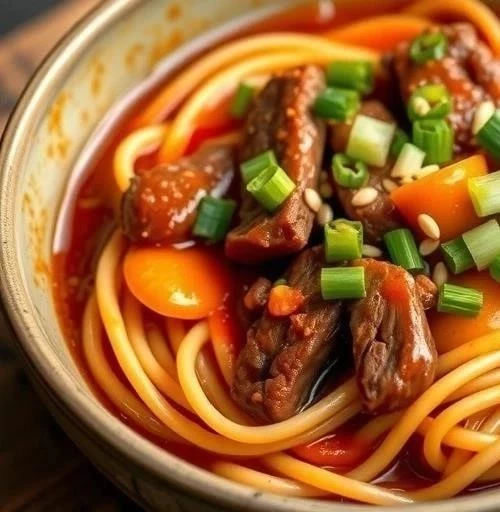
This recipe offers warmth, balance, and restaurant-style charm for an easier meal at home. Read on for a clear guide to creating a comforting dinner everyone can enjoy.
Gather the Ingredients: Beef, Green Beans, Bell Pepper, Tomato Paste, Soy Sauce, Garlic, Ginger, and Beef Spices
Set out 450 g of lean beef, 200 g of green beans, and one red bell pepper. For a balanced shopping list, add two tablespoons of tomato paste, three tablespoons of soy sauce, and one teaspoon of sesame oil. Include four garlic cloves, a thumb of fresh ginger, black pepper, and a mild beef spice blend; keep salt nearby; Trim the beans, select a firm pepper, and choose a well-marbled cut such as flank or sirloin; keep portions ready to measure. Set out a little neutral oil, a pinch of sugar, and a small bowl for the sauce ingredients; check that every item is fresh and within reach. For a deeper, savory profile, keep rice vinegar, a teaspoon of honey, and a pinch of chili flakes optional; these extras complement the tomato paste without crowding its tangy flavor. Check labels, then arrange measured items in separate bowls for easy access now.
Choose Rice or Wheat Noodles for a Hearty Asian-Style Noodle Dish with Meat and Vegetables
Rice noodles create a light, delicate base with a soft texture that lets the beef and vegetables remain the focus. They are often gluten-free, though it is wise to check the package label for cross-contamination or added ingredients. Wheat noodles offer a springier bite and a heartier, more familiar feel, making the meal especially satisfying. Both options suit an Asian-style noodle dish; choose according to the texture you enjoy and any dietary needs at your table. For a balanced serving, use about 200–250 g of dried noodles for four portions, adjusting the amount to suit appetites. Wider strands feel substantial, while thinner noodles give each bite a lighter character. If you are unsure, select a medium-width variety, which pairs easily with both tender meat and crisp vegetables. Rice noodles bring a gentle, clean taste; wheat noodles have a mild, slightly nutty flavor. Either choice can make this comforting dinner feel complete, hearty, and well balanced.
Stir-Fry the Beef and Vegetables; Simmer the Green Beans in Tomato Sauce with Sesame Oil
Heat sesame oil in a wide pan over medium-high heat. Pat the beef dry, slice it thinly across the grain, and season lightly with black pepper. Sear in a single layer for 2 minutes, turning once, until browned; transfer to a plate so it stays tender. Add a little oil, then stir-fry the sliced bell pepper with garlic and ginger for 2 minutes. Tip in trimmed green beans and cook, stirring, until bright and just tender. Stir tomato paste with soy sauce and a splash of water, pour it into the pan, and scrape up the browned bits. Lower the heat and simmer for 4–5 minutes, until the beans are coated and the sauce is glossy. Return the beef briefly to warm through, taste, and adjust seasoning. Avoid crowding the pan; cook in batches if needed for an even sear. Stir steadily, letting beans soften, maintain color, and keep a little bite in the pan longer.
Toss Everything Together for a Quick Dinner in Homemade Asian Cuisine, and Finish with Sesame Seeds
Drain the noodles well, then add them to the pan while the sauce is hot. Use tongs to lift and turn everything gently, coating each strand without crushing the vegetables or breaking the beans. Let the mixture warm for a minute so the noodles absorb a little of the savory tomato dressing. If the pan seems dry, loosen the mixture with a spoonful of warm water, adding only enough to keep every bite silky, not soupy. Serve at once, dividing the glossy strands and vegetables evenly among warm bowls. Scatter toasted sesame seeds over each portion for a nutty finish and a delicate crunch. A few sliced scallions or a pinch of chili flakes can add freshness or gentle heat, but keep the garnish light so the rich sauce remains in balance. The sesame aroma makes this homemade meal feel polished, hearty and ready to share. Serve promptly for best texture.

6 Comments. Оставить новый
This is a clear, practical introduction to a comforting meal. The suggestions for preparing ingredients ahead should make cooking smoother.
The rice-versus-wheat noodle comparison is helpful, especially for choosing based on texture and dietary needs. The serving guidance is a useful touch.
I appreciate the balance of specific measurements and flexible options. The advice about selecting beef and fresh vegetables is especially useful.
The ingredient checklist makes this recipe feel organized and approachable. I also like the optional additions, which give readers room to adjust the flavor.
The noodle tips make it easy to tailor the dish to different preferences. Rice vinegar, honey, and chili flakes sound like appealing optional additions.
A helpful guide for planning a beef-and-vegetable noodle dinner. The measured ingredient list and simple preparation pointers make the recipe sound manageable.