
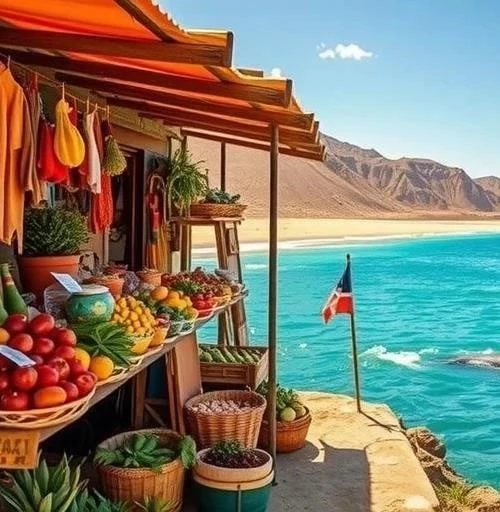
On the Baja California Peninsula‚ a journey can begin with a breath of warm desert air and end with a gray whale surfacing beside your small boat․ From January to April‚ the whale migration season turns the lagoons of Baja California into quiet nurseries․ Here‚ whale watching is not a distant spectacle: a curious animal may rise near the boat‚ exhale like a tiny geyser‚ then vanish into silver water․ The best places for whale watching are also gateways to the wider nature and culture of Mexico․
Where the whales meet the desert
San Ignacio Lagoon‚ Ojo de Liebre Lagoon and Santa Maria Lagoon lie along the Pacific side of the peninsula․ In this whale bay landscape‚ mothers give birth in sheltered water before guiding their calves north․ The lagoons form part of El Vizcaíno Biosphere Reserve‚ a UNESCO-listed refuge where dunes‚ salt flats and mangrove forests shelter an astonishing range of life․ Choose responsible whale excursions with licensed local guides; patient observation protects the animals and makes the encounter more meaningful․ These boat trips are a lesson in ecotourism in Mexico‚ not a race to get the closest photograph․
From a lagoon morning to a beach afternoon
Build a trip through Baja California around contrast․ After a dawn on the water‚ head toward La Paz for calm coves and an easy evening stroll․ Balandra Beach‚ with its shallow turquoise bay and sculpted desert hills‚ is ideal for beach relaxation—arrive early and follow local access rules․ Farther south‚ Cabo San Lucas pairs dramatic cliffs with Lover’s Beach‚ tucked between the Sea of Cortez and the Pacific․ In Loreto‚ island views and unhurried waterfront life offer another rhythm․ The beaches of Baja California are not merely a sunbather’s reward; they are chapters in the same coastal story as the whales․
Follow the scent of the market
Between nature outings‚ explore the local markets of Mexico; Fish markets reveal the morning catch—look for regional seafood and ask vendors what is in season—while artisan markets display woven goods‚ ceramics and small reminders of the desert․ Let the day’s discoveries lead to Mexican cuisine: grilled fish with lime‚ warm tortillas‚ salsa and a meal shared slowly․ In La Paz or Loreto‚ a market visit can be as memorable as a viewpoint‚ because it connects visitors with the people who know these shores best․
Travel gently‚ notice more
The natural attractions of Mexico here reach beyond the famous lagoons: rocky islands‚ desert trails‚ mangroves and rich marine fauna of Mexico all belong to one delicate system․ Keep a respectful distance from wildlife‚ carry reusable water bottles‚ avoid disturbing nests and leave beaches as you found them․ Pair a guided lagoon visit with time in a coastal town‚ and the journey becomes more than a checklist․ Gray whales in Mexico may be its headline‚ but the real wonder is the meeting of ocean‚ desert and community—an invitation to see Baja not as a backdrop‚ but as a living place․
8 Comments. Оставить новый
The article treats ecotourism as a relationship rather than a checklist. That quiet respect for wildlife is what makes its travel advice feel memorable.
I came for the whales and left imagining the whole coastline: cliffs, markets, lagoons, and the kind of calm that seems to arrive with the tide.
The best detail is the whale’s breath, described like a tiny geyser. In one small image, the article makes the whole lagoon feel alive.
This reads like a travel map drawn in sea salt: the whales are the stars, but the desert, lagoons, and quiet towns give the story its depth.
This itinerary has a beautiful rhythm: dawn on the water, an afternoon among desert-shaped shores, and an evening in town. It makes slow travel sound irresistible.
I love the idea of a whale encounter that asks for patience instead of pursuit. The reminder to choose licensed local guides makes the wonder feel thoughtful, not staged.
The shift from a gray whale rising in silver water to Balandra’s turquoise shallows feels like turning two pages of the same vivid atlas.
A lovely portrait of Baja as more than a beach destination. Salt flats, mangroves, market mornings, and sheltered lagoons all seem to have a voice here.