
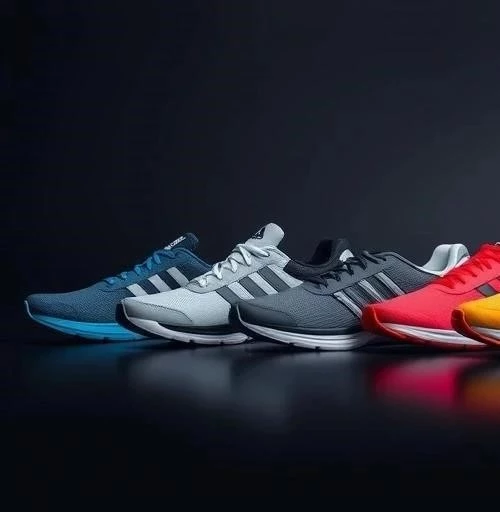
Choosing marathon shoes is a balance of comfort, efficiency, stability and fit․ Adidas offers several options in its Adizero range, from highly cushioned race-day models to more versatile shoes suited to long training runs․ The right choice depends on an athlete’s pace, experience, preferred level of cushioning and how the shoe feels over extended distances․ A shoe’s position in a product line, price or use by elite runners cannot replace an individual fit test․
This overview compares widely known Adidas models that can be considered for marathon training or racing․ Availability, specifications and names may differ by market and release year, so runners should check the details of the version they are buying․ The ranking is a practical guide rather than a claim that one shoe is best for every marathoner․
How to choose a marathon shoe
A marathon shoe has to remain comfortable after many hours of running․ Consider the fit around the heel and midfoot, the room available for the toes, cushioning underfoot and the stability of the platform․ Some runners prefer a soft, protective ride; others value a firmer and more responsive feel․ A pronounced rocker or stiff plate can feel efficient at faster paces, but it may not suit every gait or training history․
It is also useful to distinguish between a race shoe and a training shoe․ Lightweight models with a carbon plate are designed primarily for performance and may feel less forgiving during easy runs․ Durable daily trainers are generally heavier, but can be more practical for regular mileage․ Many runners use separate shoes for workouts, long runs and race day․
Leading Adidas options
Adizero Adios Pro 4 — performance-focused race option
The Adios Pro line is Adidas’s best-known choice for long-distance racing․ The Pro 4 combines a high-cushion midsole with a stiff, propulsive construction intended to support fast running․ It is most relevant to runners who want a dedicated marathon shoe and are comfortable with a performance-oriented ride․ The design may feel less natural at slow paces, and the fit should be tested carefully before race day․ Use it in selected workouts and long runs before deciding whether to wear it for the full distance․
Adizero Adios Pro 3 — established long-distance racer
The Adios Pro 3 remains worth considering where it is available, particularly if its fit suits a runner better than that of a newer version or its price is more accessible․ It is built for sustained efforts and has a cushioned, energetic feel compared with many lightweight racing flats․ As with other plated shoes, the sensation is distinctive: some runners appreciate the forward transition, while others find the platform too firm or demanding․ Differences between versions can affect fit and ride, so the model name alone is not enough to predict comfort․
Adizero Adios Pro Evo — specialist race-day shoe
Adidas’s Evo models are positioned as highly specialized racing shoes, prioritizing low weight and speed․ They may appeal to experienced runners seeking a dedicated competition option, but their cost, limited availability and performance-focused construction make them less universal than conventional trainers․ Lightweight racing shoes can also have different durability and stability characteristics from everyday models․ A runner should consider the actual product version, intended use and personal comfort rather than assuming that the lightest shoe is automatically the best marathon choice․
Adizero Boston 12 — versatile training and long-run shoe
The Boston 12 is a practical option for runners who want a faster-feeling shoe for tempo sessions, marathon-pace work and long runs․ It is generally more training-oriented than the Adios Pro, making it a possible bridge between everyday mileage and race-day footwear․ Its structured feel and responsive cushioning can suit runners who prefer a stable, purposeful ride․ It is not necessarily a substitute for a dedicated racing shoe, but some athletes may find that its familiar feel is preferable for the marathon itself․
Adizero Boston 13 — updated option for marathon preparation
Where available, the Boston 13 should be assessed as a new version rather than assumed to be identical to its predecessor․ Updates may change the midsole feel, upper fit, weight or outsole behavior․ Its intended role remains that of a versatile performance trainer suitable for faster workouts and longer sessions․ Before purchase, compare the current specifications and try it on if possible․ A familiar Boston model may be a sensible choice for runners who want one shoe for a broad range of training, but the most suitable version is the one that works comfortably for that individual․
Adizero Takumi Sen 10 or 11 — lighter shoe for faster sessions
The Takumi Sen family is designed for speed and is often associated with shorter races and intense workouts․ Some lighter runners may consider it for a marathon, but its lower-volume, more race-focused character can be less comfortable for a prolonged effort than a higher-cushion model․ It may be especially useful for interval training, threshold sessions or shorter competitions․ Marathon use should depend on experience, pace and successful testing over progressively longer distances, not on the shoe’s low weight alone․
Adizero Adios 9 — lightweight, relatively direct ride
The Adios 9 is a lighter option that can work well for faster training and shorter races․ Compared with maximum-cushion marathon racers, it offers a more direct experience and may feel less protective late in a long run․ Runners who prefer a closer-to-the-ground sensation might still find it comfortable, but it is important to test it over marathon-pace sessions․ For many athletes, it is more naturally suited to workouts than to a first choice for 42․2 kilometres․
Adizero SL2 — accessible training choice
The SL2 is a versatile training model that can suit regular running, easy mileage and moderate workouts․ It may be a useful option for runners who do not need a carbon-plated shoe or who prefer a more conventional ride․ Its role is primarily that of a daily trainer, rather than a specialized marathon racer․ Nevertheless, a runner can race in a familiar, comfortable trainer if it has been tested over long distances and performs well for them․ Comfort and reliable fit are more important than a shoe’s marketing category․
Which model suits which runner?
- For a dedicated performance shoe: consider the Adios Pro 4 or an available Adios Pro 3, after checking fit and testing the plate-assisted ride․
- For marathon training and faster long runs: the Boston 12 or Boston 13 may provide a useful balance between responsiveness and everyday practicality․
- For speed sessions: the Takumi Sen or Adios 9 may be appropriate, though they are not the most cushioned choices for every marathoner․
- For general training: the SL2 can be a straightforward option when comfort and versatility matter more than race-day technology․
- For an experienced runner seeking a specialist racer: an Evo model may be worth evaluating, subject to availability, cost and individual suitability․
These categories are not strict rules․ A runner’s body weight, running form, usual pace, injury history and personal preference all affect how a shoe feels․ A model that works well for a fast, experienced athlete may not be comfortable for someone else, and there is no requirement to use a carbon-plated shoe to complete a marathon successfully․
Fit and testing before race day
Try shoes later in the day or after a run, when feet may be slightly more swollen․ Leave enough room in front of the toes, while keeping the heel secure and the midfoot comfortable․ The upper should not create pressure points, numbness or rubbing․ If one foot is larger, use it as the reference when choosing a size․ Adidas sizing can feel different across models, so do not assume that the same size will fit identically throughout the range․
Test a new pair during ordinary runs first․ If the shoe feels comfortable, use it in a workout and then in a longer run that approaches the conditions of the planned race․ Check how the upper behaves as the feet swell, whether the outsole grips on the surfaces you expect and whether the ride remains comfortable after several hours․ Do not make race day the first occasion on which you wear an unfamiliar shoe․ The same principle applies to socks, insoles and lacing changes․
Durability, legality and value
Race shoes may be less durable than training models, but actual wear depends on surfaces, running form, weather and mileage․ Inspect the outsole and midsole periodically rather than relying on a universal replacement distance․ A shoe that has lost its cushioning or developed an unstable feel should not be kept for a key race simply because it was expensive․ Conversely, mileage estimates are guidelines, not a guarantee that every pair will wear at the same rate․
Competitive athletes should check the rules that apply to their event, including any regulations on shoe construction or stack height․ Rules can vary by competition and may be updated․ Product specifications should be verified with Adidas and the event organizer when compliance matters․ Recreational runners generally have more flexibility, but comfort and safe use remain essential․
For runners seeking an Adidas marathon racer, the Adios Pro range is the most direct performance-focused place to start․ The Boston line offers a more training-oriented alternative for long runs and race preparation, while the Takumi Sen, Adios 9 and SL2 serve different needs across workouts and everyday mileage․ Specialist Evo models may appeal to experienced athletes, but their characteristics and accessibility make them a more selective choice․
The strongest option is not necessarily the newest, lightest or most expensive․ It is the model that fits securely, remains comfortable at the intended pace and has been tested over the distances required․ Comparing several shoes in person and using a proven pair on race day are more dependable strategies than choosing by ranking alone․
1 Comment. Оставить новый
The overview offers a useful framework for comparing marathon shoes, especially its distinction between race-day models and daily trainers. Since fit and comfort vary from runner to runner, trying a shoe on and considering how it feels during longer runs are important complements to any product comparison.