
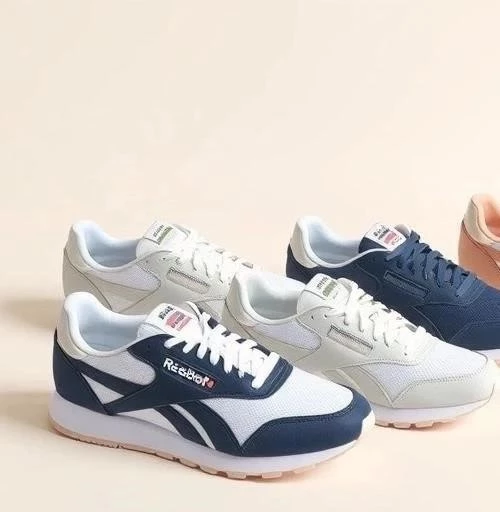
Summer asks a lot of a sneaker; It should let heat escape, soften long walks, grip a rain-darkened pavement—and leave your toes enough room to enjoy the day. For a wide foot, that last request can turn shopping into a small detective story: a shoe may be the right length and still squeeze across the forefoot.
Reebok’s range includes airy runners, stable trainers and low-profile classics, but models are not universally made in wide widths. The pairs below are promising starting points because of their intended use, upper construction or potentially forgiving shape—not a guarantee that every foot will find a perfect fit. Materials and fit can change between versions and markets, so check the exact product and try before committing.
First, a useful rule for wide-foot shopping
“Wide” is not one shape. Some feet need extra room at the ball; others need a higher instep or more space around the little toe. A soft mesh upper may adapt more readily than a rigid overlay, but stretchy fabric cannot create extra sole width. Look for a rounded or roomy toe area, minimal seams across the forefoot, and laces that can be loosened without making the heel slip.
Measure both feet late in the day, when they may be slightly larger. Stand on paper, mark the heel and longest toe, and compare the result with the brand’s current size chart. When trying shoes, leave roughly a thumb’s breadth in front of the longest toe. Walk, turn and gently rise onto your toes: if the sides press, the upper bulges, or your toes feel stacked together, the fit is too narrow even if the length is right. Sizing up can add length without fixing width.
Reebok Floatride Energy: the everyday-mile option
If summer means walking to work, taking the long route home and occasionally jogging for a bus, start here. The Floatride Energy line is built as a lightweight running shoe, and its engineered mesh versions offer the kind of ventilation that makes sense on warm days. The cushioning is intended for repeated movement rather than a stiff, formal feel.
Why a wide foot might like it: a flexible textile upper can be more accommodating than a heavily reinforced one, especially when the pressure point is across the top or sides of the forefoot. Watch for: overlays, toe shape and fit differ by edition. Check that the mesh does not pull tight over the little toe. Choose it for walking and easy runs only if the fit feels secure; a roomy shoe that lets the foot slide is not a win.
Reebok Floatride Energy X: when the day gets longer
The X version is the more ambitious member of the Floatride family, aimed at runners who want a lively, cushioned ride for longer efforts. A breathable upper makes it a candidate for hot-weather training, while the running-focused platform can feel more purposeful than a casual sneaker on a steady route.
Best for: runners who already know they like a responsive running shoe and need one pair for summer training and everyday errands. Fit note: performance uppers may hold the foot more closely than relaxed walking shoes. That can be comfortable for a standard-width foot but unforgiving at a broad forefoot. Test it with the socks you run in, and do not assume a longer size will solve sideways pressure. If your toes cannot spread naturally, move on.
Reebok Zig Dynamica: a cushioned city companion
Zig Dynamica brings a more expressive silhouette to the daily rotation. Its sculpted sole looks ready to leave a zigzag signature on the pavement, while a textile upper on many versions helps keep the shoe lighter and more breathable than a full leather build. It suits casual walking, travel days and outfits that want a little more visual energy.
Why consider it: the upper may feel less restrictive than a stiff, all-over overlay construction. Check carefully: the distinctive sole does not automatically mean a wide platform inside. Try the shoe on both feet and notice whether the outer edge of the forefoot is being pushed inward. This is a style-first pick for people whose feet find the specific version comfortable—not a substitute for a dedicated wide-width fit.
Reebok Nano X4: the gym-to-street choice
For summer days that begin with strength training and end with a walk across town, the Nano X4 is the practical all-rounder in this list. It is designed for training, where a stable feel matters during lifting and varied gym movements. Its upper is more structured than a soft running mesh, which can help hold the foot during exercise but deserves a careful fit check.
Best for: gym sessions, short errands and people who prefer a planted platform to a soft, rolling running sensation. Wide-foot caution: stability features and overlays may reduce the sense of free space at the forefoot. Make sure your toes can spread while standing and that the sides do not press during a squat or lunge. It is not the first choice for long-distance road running; pick it for training if the width works for you;
Reebok Energen: a light option for everyday movement
Energen models are worth a look if you want a straightforward, lightweight shoe for walks, commuting and low-key exercise. Depending on the edition, mesh panels can encourage airflow and keep the upper from feeling overly warm. The uncomplicated character is part of its appeal: this is a shoe for ordinary summer miles, not a declaration that every outing is a race.
Potential advantage: a less rigid upper may be kinder to a foot that dislikes hard side panels; Before buying: inspect the exact Energen model. The name covers different designs, and one version’s fit cannot be assumed for another. Pay attention to the toe-box taper and any stitched reinforcement near the little toe. If the shoe feels comfortable only when loosely laced, it may not secure your heel well enough.
Reebok Walk Ultra DMX: comfort for unhurried miles
Not every summer shoe needs to look ready for a race. The Walk Ultra DMX line is intended for walking and everyday comfort, making it a sensible place to look if your main goal is a steady, supported stroll. Depending on the version, the upper may be more substantial than airy running mesh, so compare its ventilation with your climate and plans.
Best for: casual walks, travel and days when comfort matters more than speed. Wide-foot tip: try it with the socks you normally wear and check the forefoot from above as well as from the side. A comfortable walking shoe should not force your toes into a pointed arrangement. If you find a version with a roomy feel, it may be a more relaxed alternative to a performance runner; do not mistake the walking label for a promise of a wide fit.
Reebok Classic Leather: a familiar look, with a fit test
The Classic Leather is the wardrobe chameleon: jeans, shorts, summer dresses and a quick coffee run all seem to understand it. Its heritage shape is less obviously a hot-weather running design, and leather or synthetic panels may feel warmer than open mesh. Still, a low-profile casual sneaker can be useful when breathable socks and shorter outings matter more than maximum ventilation.
Why it earns a place: versatile styling and an everyday feel. Why wide feet should be cautious: structured materials may not stretch comfortably where the foot is broadest. Try it later in the day and walk for several minutes; do not buy a snug pair expecting it to “break in” around painful pressure. If the sides pinch in the shop, choose a softer or roomier model instead.
Reebok Club C 85: the minimalist summer classic
Clean lines are the Club C 85’s superpower. It pairs easily with almost anything and works for low-key days when a mesh runner feels too sporty. The trade-off is that its classic court-inspired construction is generally less airy than a purpose-built mesh shoe. Think shaded café, city errands and evening plans—not a hot-weather long run.
Good for: people seeking a simple casual sneaker with a timeless profile. Fit reality: leather and synthetic uppers can feel firm at first, but painful tightness is not a styling feature. Check the width across the ball of the foot, and see whether the toe shape lets your toes rest naturally. If you need substantial extra width, this may not be the pair that solves it; choose comfort over nostalgia.
Quick comparison
- Warm-weather running and daily miles: Floatride Energy; consider Floatride Energy X for longer training if its closer fit suits you.
- Gym sessions and short walks: Nano X4, provided its structured forefoot does not press.
- Casual cushioning: Zig Dynamica or an Energen version with a comfortable mesh upper.
- Walking first: Walk Ultra DMX, after checking ventilation and toe room.
- Classic everyday style: Classic Leather or Club C 85, with extra attention to the width and summer warmth.
This is a shortlist, not a universal ranking. A well-fitting model from the middle of the list is a better choice than the “top” shoe that rubs your foot.
How to make the final choice
- Shop by activity. Running shoes are built for repeated forward motion; training shoes prioritize stability; casual classics prioritize appearance and everyday wear.
- Inspect the upper. Mesh often feels cooler and more forgiving, while thick overlays, seams or firm leather can create pressure. Breathable does not necessarily mean wide.
- Check the shape, not just the size. Compare the shoe’s outline with your foot. The widest part of your foot should sit over the widest part of the sole.
- Try both shoes. Feet can differ. Lace them securely without cranking down across the forefoot, then walk, turn and pause on an incline if possible.
- Use the return policy. Indoor testing at home is useful, especially when buying online. Keep tags and packaging until you know the fit is right.
For very broad feet, bunions, persistent pain or a need for specialist support, ask a qualified footwear professional or clinician for advice. A model described as “roomy” in a review is not the same thing as an officially offered wide width. Look for width options where available, and confirm that a retailer’s listing matches the exact version you intend to buy.
Keep summer sneakers feeling fresh
Airy shoes still need a little care. Let them dry fully between wears, loosen the laces after a long day and rotate pairs if you walk frequently. Brush dust from mesh gently; follow the care label rather than assuming every sneaker belongs in a washing machine. Moisture-wicking socks can help on hot days, but they should not be used to disguise a shoe that is too tight. If the upper presses, the answer is a better fit—not thinner socks.
6 Comments. Оставить новый
A refreshing take on summer footwear that doesn’t promise a magic shoe for every foot. The reminder to inspect the exact model and version is humble, sensible, and easy to overlook.
I like the detective-story framing: shoe shopping really can feel like searching for clues. The practical fit checks turn that metaphor into a useful little field guide.
The strongest point is that stretchy mesh can soften pressure but can’t widen a sole. That’s the kind of plainspoken detail that helps readers separate hopeful marketing from fit.
This reads like a careful friend walking you through a fitting-room test: measure late in the day, take a few turns, and trust what your feet tell you. Useful advice, delivered without fuss.
The image of toes needing room to “enjoy the day” gives this practical advice a welcome spark. Comfort sounds less like a technical specification and more like an invitation to wander.
The best advice here is that “wide” isn’t a single shape. That small distinction could save someone from buying a longer shoe when what they really need is room across the ball of the foot.