

Akumal is often introduced as a postcard: pale sand‚ turquoise water‚ and sea turtles moving like quiet shadows beneath the surface. But once you have ticked off the famous beaches and headline attractions‚ this small coastal town becomes something more useful—and more surprising. It is a calm base for following the Riviera Maya’s less obvious trails‚ where a short drive can lead to a village bakery‚ a freshwater cave‚ or a beach that seems to have misplaced its crowds.
The trick is not to collect more landmarks. It is to travel at a gentler scale. Stay near Akumal‚ start early‚ and let each day orbit around one small discovery rather than a packed itinerary. Distances in this part of Quintana Roo can look modest on a map‚ but heat‚ traffic‚ and transport connections all shape the real journey. A rental car offers flexibility; colectivos‚ the local shared vans‚ are an economical option along the highway‚ though you may need a taxi for the final stretch. Confirm current access‚ fares‚ and opening arrangements before setting out.
Start with the place behind the beach
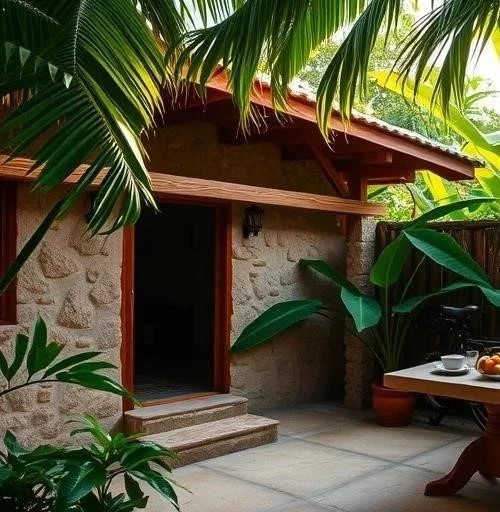
Spend a morning in Akumal Pueblo‚ away from the beachfront rhythm. This is where the destination feels less like a resort name and more like a lived-in community. Look for a simple breakfast‚ a small shop‚ or a shaded pause with a coffee. Keep your plans loose: the pleasure is in noticing the everyday details—bikes leaning outside‚ the scent of warm tortillas‚ the sudden chorus of birds in the trees. Be a considerate guest: ask before photographing people‚ support local businesses‚ and leave residential streets peaceful.
Then take the long way back towards the coast. Rather than rushing straight to the water‚ choose a slow walk and pay attention to the change in landscape: road noise fades‚ salt air arrives‚ and the thick green edge of the Yucatán presses close. Akumal’s famous bays can be busy‚ but nearby stretches of shoreline reward visitors who arrive early‚ follow posted access rules‚ and are happy simply to watch the sea. Some beaches are privately managed or have changing entry conditions‚ so never assume that a path or entrance is public.
Follow the freshwater inland
The region’s cenotes are not interchangeable swimming pools. Each is a window into the limestone world beneath the peninsula: one may open to the sky‚ another descend into cool shadow‚ while a third feels like a hidden room built by water. Ask locally about smaller‚ responsibly operated sites around the Akumal–Chemuyil area‚ and check whether reservations‚ guides‚ or cash are required. Bring a reusable water bottle‚ reef-safe sun protection for use before swimming‚ and footwear that can handle uneven rock; At the water’s edge‚ move slowly; delicate formations and slippery surfaces deserve more respect than a dramatic photograph.
For a quieter day‚ head towards Chemuyil‚ a small community whose unhurried pace makes a useful counterpoint to the Riviera’s resort corridor. Treat it as a place to visit‚ not a backdrop: buy a meal locally‚ ask before entering unfamiliar areas‚ and avoid leaving litter. Nearby coastal and forest routes can be rewarding‚ but access may vary with season‚ conservation rules‚ or land management. Check conditions rather than relying on an old online pin. The best discovery may be a modest one: a shaded path‚ a conversation‚ or an excellent lunch you had not planned.
Make room for wild places
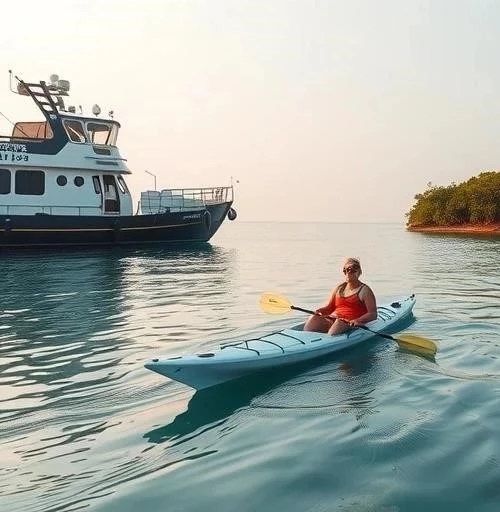
South of Akumal‚ the protected Xcacel-Xcacelito area is known for its natural coastline and importance to nesting sea turtles. It is not an amusement park‚ and that is precisely its value. If open to visitors‚ follow the current rules‚ stay out of marked nesting zones‚ and never touch a turtle‚ nest‚ or hatchling. Seasonal restrictions can change‚ so verify access before travelling. Visit with patience: a conservation beach asks you to listen—to wind in the palms‚ waves breaking on the reef‚ and the quiet work of protection.
Another good way to get beyond the familiar circuit is to plan a half-day around one inland stop‚ then return to Akumal before dark. The area’s roads are not a promise of effortless exploration: lighting can be limited‚ signs easy to miss‚ and rain can alter conditions. Avoid driving after drinking‚ carry some cash‚ download an offline map‚ and share your plan if you are heading somewhere remote. A little preparation leaves more room for spontaneity once you arrive.
A three-day rhythm‚ not a checklist
- Day one: Settle in‚ explore Akumal Pueblo‚ and take a relaxed coastal walk. Save the water for the gentler hours of morning or late afternoon.
- Day two: Choose one cenote or freshwater experience‚ linger over lunch in or near Chemuyil‚ and return without trying to squeeze in another major attraction.
- Day three: Check current conditions for Xcacel-Xcacelito or another conservation-minded coastal visit. Leave time for a final swim‚ a book in the shade‚ and an unhurried dinner.
Keep the plan adjustable. If a site is closed‚ crowded‚ or asking visitors to stay away‚ treat that not as a failed day but as useful information. Pick a nearby café‚ take a shaded walk where access is permitted‚ or simply let the afternoon belong to the sea.
Travel lightly; notice more
Akumal works especially well for travellers who have already seen the big-name sights because it makes stillness feel like an itinerary. You can use the town as a practical launch point without turning every day into a transfer. Pack a hat‚ water‚ a light layer for air-conditioned rides‚ and a small bag for rubbish you generate. Use established entrances‚ respect private property‚ and choose guides and operators who explain how they protect the places they share.
The reward is a Riviera Maya with its volume turned down. Not an undiscovered paradise—communities here have welcomed visitors for years‚ and no place is truly “secret”—but a more attentive way of travelling. Base yourself near Akumal‚ move slowly‚ and let the memorable moments arrive between the famous ones: the cool breath of a cenote‚ a meal chosen by smell rather than reviews‚ a quiet road home as the sky turns copper. That is the less-travelled journey: not farther from everything‚ but closer to the texture of the place.
7 Comments. Оставить новый
The practical details give this piece its compass, but the gentler pace gives it its soul. It reminds travelers that being a good guest is part of the journey, not a footnote after it.
A useful antidote to the “see everything by sunset” approach. The image of the landscape changing from road noise to salt air is lovely—and a good reason to put the map away for a while.
I like how this guide treats a quiet breakfast as a destination in its own right. The best travel memories often arrive without a ticket booth: warm tortillas, a bicycle against a wall, and nowhere urgent to be.
This guide notices the details that glossy destination lists tend to miss: shade, timing, neighborhood quiet, and the feel of the air changing near the coast. It makes me want to explore slowly and leave the place a little better than I found it.
This makes Akumal feel less like a checklist and more like a place with its own breathing rhythm. I especially appreciate the reminder that curiosity works best when paired with respect for the people who live there.
I’m charmed by the idea of letting a day orbit a single discovery. That is a small piece of travel wisdom with a surprisingly long shadow: fewer plans can make more room for a place.
The advice to plan around one small discovery feels refreshingly humane. It leaves room for the unexpected—like a birdcall that turns a five-minute pause into the highlight of the day.