
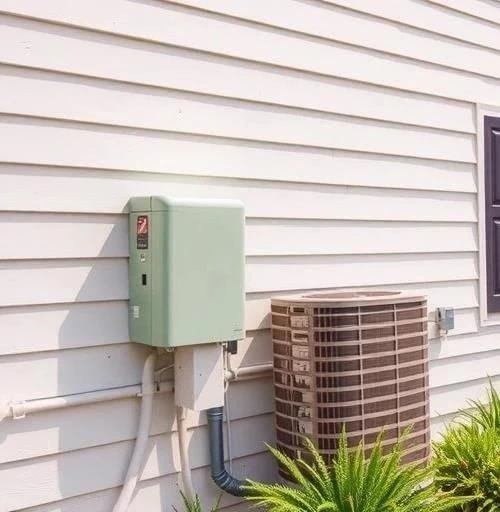
A good air conditioner is more than a cool breeze: it is a small machine negotiating peace between indoor comfort and the weather outside․ When choosing an air conditioner for your home, look beyond the catalogue picture․ The outdoor unit, its supports and the façade beneath it all have to work together․
Start with the room, not the remote
Measure the room area, then consider ceiling height, sunlight, insulation, windows and the number of people who use it․ These details help determine the air conditioner capacity․ Too little power means long, tiring cooling cycles; too much may cool the room quickly without removing enough moisture․ For a private house, ask a specialist to assess the whole layout, especially if several rooms need separate temperatures․
A wall-mounted split system is a familiar choice, but an inverter air conditioner can adjust its output instead of repeatedly switching on and off․ This often improves energy efficiency and keeps the temperature steadier․ Compare the noise level of both units, not just the indoor one: a quiet bedroom can still be disturbed by a poorly positioned outdoor unit․ Check operating modes too, including heating and cooling, night settings and dehumidification․
Give the outdoor unit a safe address
Installation on the façade should be planned before the final façade finish is applied․ Mounting on an exterior wall requires a strong, suitable surface; decorative cladding alone may not safely carry the load․ Correct outdoor-unit fastening uses hardware rated for the unit’s weight and the wall material․ A vibration-isolating layer can reduce noise travelling indoors․
Protect the façade from water marks and damage․ The installer should plan condensate drainage so water flows to an approved point rather than down the wall or onto a neighbour’s path․ Keep the distance between the indoor and outdoor units within the manufacturer’s limits: excessive pipe length or height can reduce performance․ Leave clear space around the outdoor unit for airflow and future service․
Make the installation part of the design
Good installation details are often invisible: sealed wall penetrations, neatly routed pipes, corrosion-resistant brackets and access for maintenance․ Ask how the mounting hardware suits your façade finish and whether drilling could affect insulation or waterproofing․ On heritage or multi-unit buildings, check local rules and obtain approval before façade installation․
Finally, compare the air-conditioner installation price as a complete service, not a tempting number for “just fitting․” It should explain brackets, drainage, pipework, electrical work and any façade protection․ A carefully chosen unit, securely mounted and regularly maintained, can disappear into the architecture—while its comfort becomes the most noticeable feature of the room․

2 Comments. Оставить новый
I like how this turns air-conditioning advice into a lesson in good neighbourliness. The condensate drain and outdoor-unit placement may seem like small details, but they’re where comfort meets consideration. A useful reminder that the coolest home shouldn’t leave a damp trail behind it.
The best insight here is to start with the room, not the remote. Sunlight, insulation and ceiling height are the quiet characters that decide whether a system feels effortless or wasteful. This is practical guidance with a welcome dose of foresight—especially for anyone planning façade work.