
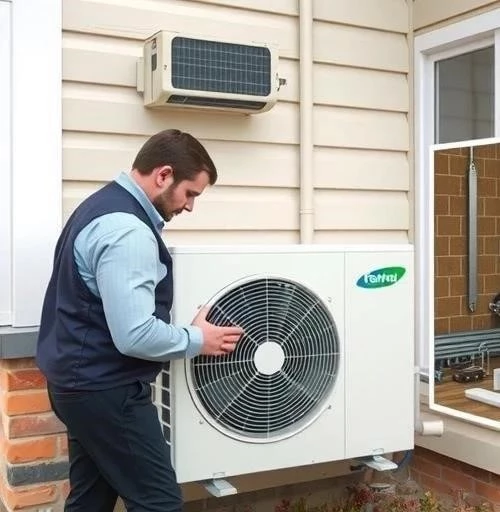
Gas-free heating can provide reliable comfort when it is selected and designed around the building rather than around a single appliance. Autonomous heating gives the owner control over temperature and operating schedules, but a dependable result requires a clear plan: assess the house, compare fuel and electricity options, and consider maintenance from the outset. The best choice for heating a private house depends on its location, layout, insulation, available energy sources, and budget.
Start with the building
Before choosing heating equipment, arrange a heat load calculation. It estimates how much heat the building needs in cold weather and helps prevent an undersized or unnecessarily powerful system. Heat loss from the building depends on windows, air leakage, floor construction, and the condition of walls and roof. Improving wall and roof insulation and sealing gaps can reduce demand, lower operating costs, and improve home energy efficiency. These steps may be more effective than replacing equipment while leaving major heat losses unaddressed.
Compare suitable heat sources
An electric boiler is straightforward to install and operate, but its running cost depends on electricity prices and the home’s connection capacity. A heat pump transfers heat from outdoor air, ground, or water and can use electricity efficiently, although its performance and installation cost vary with climate and site conditions. Alternative heat sources include solar collectors, which can contribute hot water or support space heating, but usually need a complementary source during cold or overcast periods.
A solid-fuel boiler can suit properties with access to affordable fuel and space for storage. A pellet boiler automates fuel feeding more than many traditional units, while wood heating may require more frequent loading, cleaning, and attention. Compare fuel availability, delivery arrangements, emissions, storage needs, and the owner’s willingness to operate the appliance. A backup heating source can provide resilience during equipment failure, fuel interruption, or extreme weather.
Design the complete system
A heating system is more than its heat generator. Radiators and a hydronic underfloor heating system distribute warmth differently, so their suitability depends on the building and preferred temperatures. Heating controls can schedule operation, regulate zones, and respond to indoor or outdoor conditions. Pipe insulation limits unwanted heat loss between the boiler and rooms. A designer should check compatibility among the heat source, distribution system, controls, and hot-water requirements before installation.
Installation, safety, and maintenance
Professional installation of heating equipment should follow manufacturer instructions and applicable local requirements. Correct sizing, ventilation where required, suitable electrical protection, safe flue arrangements for combustion appliances, and pressure testing all matter. Safe operation also depends on clear access, appropriate detectors where relevant, and instructions that occupants understand. Commissioning should confirm that controls work, the system is balanced, and the owner knows how to respond to alarms or faults.
Regular boiler maintenance helps preserve performance and identify wear before it becomes a breakdown. The schedule depends on the equipment and its instructions; combustion appliances need particular attention to cleaning, exhaust paths, and safety checks. Keep service records and address leaks, unusual noises, or declining output promptly. Equipment reliability is influenced by correct installation, suitable operating conditions, water quality, and timely servicing—not simply by the purchase price.
Plan for long-term value
When selecting heating equipment, compare total ownership costs: purchase and installation, fuel or electricity, routine service, repairs, and likely replacement. The service life of a system varies with design, use, and maintenance, so no single lifespan is guaranteed. A durable heating system balances comfort, safety, repairability, and energy savings over the heating season. A documented design, efficient building envelope, and realistic maintenance plan help gas-free heating remain dependable for years.

1 Comment. Оставить новый
The article offers a useful overview of factors to consider when choosing a heating system, particularly the importance of assessing heat loss, energy availability, and ongoing costs. A comparison of the options based on typical installation and maintenance requirements would make the guidance even more practical.