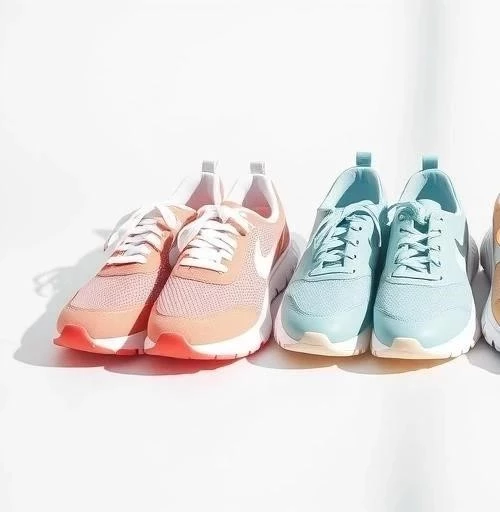
Choosing summer sneakers for a child is not simply a matter of picking a bright colour or a familiar logo. Warm-weather shoes need to balance airflow, comfort, grip, durability and a secure fit, while still matching the child’s daily activities. Nike offers several types of children’s sneakers, but no one design is best for every child. The most sensible choice depends on whether the shoes are mainly for playground games, school, walks or casual wear.
What matters most in summer
Breathability comes first. A lightweight upper made with mesh generally allows more air to circulate than a thick, heavily layered synthetic upper. That can make a noticeable difference on hot days, especially during active play. However, mesh is not automatically superior: some open fabrics provide less protection from scuffs, and a thin upper may feel less supportive. Look for a balance between ventilation and a construction that can withstand the child’s usual activities.
Fit is more important than the model name. Children’s feet grow, and sizing can differ between designs. A shoe should feel secure at the heel and midfoot without squeezing the toes. Try it on with the socks the child will actually wear, and check both feet while the child is standing. Leave a little room at the front for movement and growth, but avoid buying so large that the foot slides around. A loose fit can make running uncomfortable and increase the chance of trips or blisters.
Comparing common Nike styles
Lightweight running shoes: Star Runner and Revolution
Nike’s children’s Star Runner and Revolution lines are often worth considering for everyday activity, though exact materials and features vary by version. Their athletic shape and relatively light feel make this category a practical starting point for walking, school days and general playground use. Mesh or mesh-like uppers on some versions may feel cooler than a more substantial lifestyle sneaker. Their main advantage is versatility: a child can wear a running-style shoe for several ordinary activities without carrying a bulky, rigid shoe.
The trade-off is that a light runner may not offer the structure or abrasion resistance a child needs for rough, frequent outdoor play. Nor should a casual running shoe be assumed to provide specialist support for every sport. Compare the particular version in store: check how firmly the heel is held, whether the sole bends comfortably, and whether the upper feels robust enough for the child’s routine. Between the two lines, the better choice is the one that fits properly and feels comfortable, not whichever name sounds more advanced.
Easy-on designs: Flex Runner
A slip-on-style option such as the Flex Runner can appeal to younger children who are still learning to tie laces. It is convenient for quick trips and may make getting ready more independent. That convenience is a genuine benefit, but it should not outweigh security. The shoe must stay on during walking and running, without the child having to curl their toes or constantly adjust it. Easy entry is useful; a shoe that shifts on the foot is not.
Lifestyle sneakers: Court Borough and similar designs
More structured lifestyle models, including versions of the Court Borough, can work well for casual outfits and may feel sturdier than a lightweight mesh runner. Their more substantial look can also be appealing to children. Yet a thicker upper and less ventilated construction may feel warmer in midsummer, particularly during sustained running. These styles are often a better match for everyday wear than for hot-weather exercise. Consider them when appearance and general durability matter more than maximum airflow.
Comfort, grip and care
Do not judge cushioning by how soft a shoe feels when squeezed in your hand. The child should walk, turn and, if appropriate, jog in both shoes. Pay attention to rubbing, heel movement and pressure across the toes. A flexible sole is helpful for natural movement, but it still needs enough grip for the surfaces where the child plays. Check the tread and the way the shoe feels on a clean, safe floor; no sneaker can guarantee traction on wet or slippery ground.
Summer shoes also get dirty quickly. Darker colours may disguise marks, while light colours can show dust and scuffs sooner. Mesh can be harder to clean than a smoother upper, so follow the care instructions for the specific pair rather than assuming it can go in a washing machine. Rotating between two pairs, when practical, gives each pair time to air out. Let damp shoes dry naturally and avoid placing them against direct heat, which may damage materials or adhesives.
Which pair should you choose?
For a child who runs around outdoors in warm weather, start with a lightweight, breathable running-style model and assess its fit in person. For a younger child who struggles with laces, consider an easy-on design only if it remains secure during movement. For school and casual outfits, a structured lifestyle sneaker may be the more attractive and versatile option, provided the child does not find it too warm or stiff. These are useful comparisons, not fixed rules: versions change, and a model’s name alone cannot tell you how it will fit a particular foot.
In the end, the best Nike summer sneaker for a child is the pair that feels secure, leaves the toes room, suits the intended activity and stays comfortable after several minutes of walking. Prioritise fit and appropriate ventilation over fashion or a small price difference. If the child complains of pain, rubbing or unusual pressure, try another size or style rather than expecting the shoe to “break in.” A careful in-person check is more reliable than choosing by product description alone.