
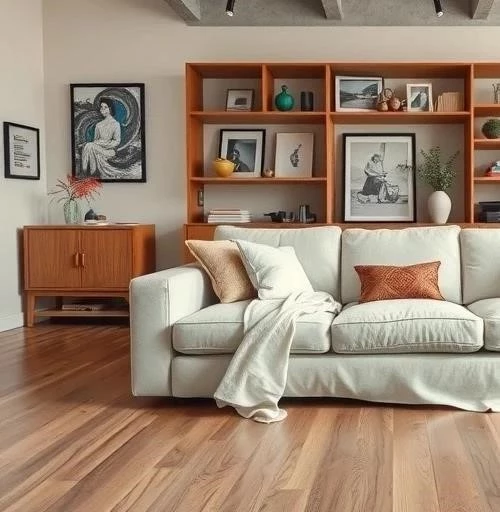
A durable interior is not simply a room filled with expensive products․ It is a home planned for everyday use, changing needs and straightforward maintenance․ A design that lasts combines visual restraint with practical decisions․ Avoiding common interior design mistakes early can protect both comfort and the renovation budget․
Choosing appearance over performance
One frequent mistake is selecting finishes only for their color or current popularity․ Delicate surfaces may show scratches, stains or fading quickly․ Compare wear-resistant materials and practical flooring by their performance, cleaning requirements and repairability, not just their showroom appearance․ Quality finishing matters too: even good products can fail when installation is rushed․ Consider a material safety margin in busy areas, and use moisture-resistant materials where splashes or humidity are expected․ Eco-friendly materials can also be durable, but check their specifications rather than relying on labels alone․
Planning without daily routines in mind
A beautiful room may still feel inconvenient if its functional layout ignores how people move through it․ Spatial ergonomics should guide clearances, work surfaces, door swings and access to storage․ Proper zoning helps separate activities without creating awkward barriers․ Plan storage for the things residents actually own, including seasonal items, so that circulation routes do not become crowded․ Avoid unnecessary remodeling: moving walls without a clear purpose can add cost and complicate future repairs․
Underestimating light, air and maintenance
Relying on one ceiling fixture is another common error․ Several lighting scenarios—ambient, task and accent—make rooms useful at different times of day․ Preserve natural lighting where possible, and do not block windows with bulky furniture․ Ventilation and microclimate are equally important: suitable airflow and humidity control help protect finishes and support comfort․ Before choosing a surface, consider interior care․ High-maintenance materials may be unsuitable for a busy household, even when their finish durability is high․
Following trends too literally
Interior trends can provide inspiration, but designing every element around a short-lived look may date a home quickly․ A neutral color palette, durable furniture and a few replaceable accents support universal design and an interior that feels timeless․ This does not mean avoiding personality; it means placing bold choices where they are easier to update․ Reliable hardware is also worth prioritizing, since hinges, runners and handles are used repeatedly․ A well-made piece of furniture should be repairable rather than disposable․
Saving in the wrong places
A low initial price does not always mean a lower total cost․ Set a realistic renovation budget that accounts for installation, maintenance and likely replacement․ Compare bids carefully, and make contractor selection based on relevant experience, clear documentation and references—not price alone․ Discuss material specifications and workmanship before work begins․ Renovation quality depends on both products and execution; ask how defects will be corrected and whether spare materials will be available․
Interior design for years to come comes from balancing function, appearance and upkeep․ Review plans against daily routines, allow for changing needs, and choose finishes that can be cleaned or repaired․ These steps help create a durable interior without treating every room as permanent or sacrificing comfort․

7 Comments. Оставить новый
The article offers a balanced overview of common interior design pitfalls, including rushed installation and unnecessary remodeling. These examples make the advice relevant to both planning and upkeep.
The practical focus is helpful, particularly the suggestion to plan storage around residents’ actual belongings. The article frames good design as a combination of appearance and everyday usability.
This is a clear introduction to designing interiors for long-term use. Advice about moisture-resistant materials and maintenance requirements provides useful points to consider before selecting finishes.
The article presents several connected factors—layout, materials, light and airflow—in an accessible way. Its emphasis on making purposeful choices can help readers avoid avoidable costs and inconvenience.
The sections on lighting, ventilation and humidity broaden the discussion beyond visual design. They show how environmental conditions can influence comfort and the condition of interior finishes.
The discussion of daily routines and spatial planning highlights important considerations that can be overlooked during renovation. Clearances, storage and circulation all affect how a room works over time.
The article usefully connects material selection with durability and maintenance. Its emphasis on evaluating specifications rather than relying on appearance or labels is practical.