
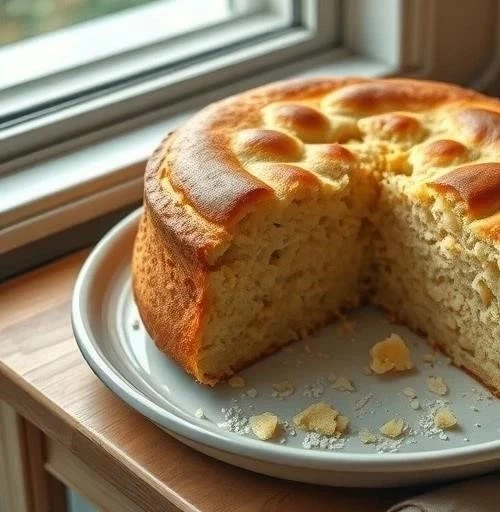
Mannik is a simple semolina cake, but simplicity does not guarantee a tender result․ The most common mistakes come from ignoring ingredient ratios, rushing the batter, or guessing the oven settings․ Each step matters: semolina absorbs liquid gradually, and a small change in flour or baking time can turn a light cake dense, dry, or raw in the middle․
Getting the batter right
A reliable mannik recipe starts with balanced ingredient proportions․ Too much flour makes the cake heavy; too little may leave the batter too runny, so it cannot hold its shape․ The amount of flour should be adjusted carefully rather than added automatically․ Semolina soaked in kefir usually needs time to swell, while semolina mixed with sour cream may produce a thicker batter․ In either case, allow the soaking time stated in the recipe․ Skipping this resting period leaves hard grains and an uneven texture․
Another frequent problem is poorly mixed batter․ Lumps form when semolina or flour is added all at once, or when the mixture is stirred carelessly․ Add dry ingredients gradually and mix until just combined․ The amount of eggs also affects the result: too few can make the cake crumbly, while too many may make it rubbery․ Follow the recipe’s proportions instead of assuming that extra eggs will make the cake fluffier․
Leavening and baking
Use the correct amount of baking powder, or baking soda if the recipe includes an acidic ingredient such as kefir․ Too little leavening can produce a dense cake; too much may make it rise quickly and then collapse․ Do not open the oven early: a mannik that sinks after baking is often removed before its structure has set, though excess leavening can also be responsible․
Oven temperature and baking time must work together․ Put the pan into a preheated oven, not a cold one, and use the temperature specified in the recipe․ An oven that is too hot browns the outside before the center cooks; a low temperature can leave the cake pale and heavy․ A mannik that does not bake through, with a raw center, may need more time or a lower temperature․ Check doneness with a skewer: it should come out clean or with a few dry crumbs․
Pan preparation and final texture
Choose a baking pan that suits the amount of batter․ In a pan that is too small, the center takes longer to cook; in a very wide pan, the cake may dry out․ Grease the pan thoroughly, including the corners, or line it with baking paper․ Poor greasing can make the cake stick and break, even when it is fully baked;
A dry mannik is usually overbaked or contains too much flour; a dense mannik often points to insufficient soaking, poor mixing, or weak leavening․ For a moist, fluffy mannik, measure ingredients accurately, let the semolina swell, and avoid unnecessary oven-door checks․ Let the cake rest briefly before slicing․ These habits are more dependable than trying to fix a failed bake with extra liquid or a longer resting time afterward․



6 Comments. Оставить новый
The article clearly connects common baking mistakes with their likely results, which makes the guidance practical rather than abstract. Its discussion of oven temperature is particularly helpful: browning on the outside does not necessarily mean the center is done. A note about checking doneness with a skewer could make the advice even more actionable.
This is a clear, practical overview for anyone who has struggled with a dry or sunken mannik. The explanation of leavening is balanced: both too little and too much can cause problems. I also agree that opening the oven too early can interfere with the cake setting, so patience is part of the technique.
The article does a good job of showing that texture depends on several steps working together, not just on the ingredients themselves. The reminder to add dry ingredients gradually is a simple but valuable tip for avoiding lumps. It would be helpful for beginners who may assume a quick mix is always enough.
I found the distinction between kefir and sour cream useful because different liquids can change how thick the batter becomes. The article sensibly avoids suggesting that more flour is always the solution. That measured approach should help readers understand the texture of the batter instead of relying on guesswork.
This is a useful explanation of why mannik can turn out dense or uneven despite its straightforward ingredients. I especially appreciate the emphasis on letting the semolina absorb liquid before baking, since that detail is easy to overlook. The advice to follow the recipe’s proportions also helps explain why improvised adjustments can produce unpredictable results.
I like that the advice focuses on following the recipe carefully while still explaining why each instruction matters. The points about preheating the oven and allowing the batter to rest are especially relevant, since both are easy to skip when trying to save time. Overall, this makes a useful troubleshooting guide rather than just a list of rules.