
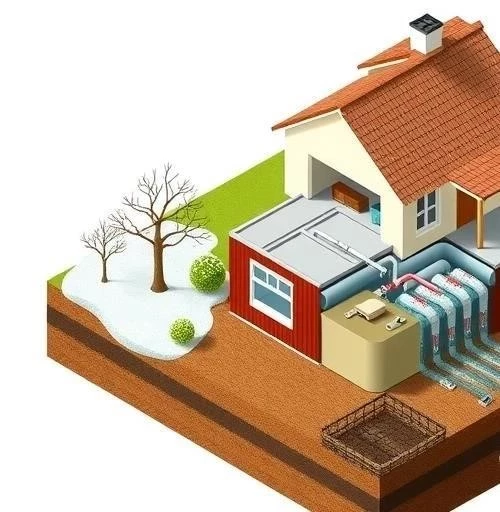
A cottage drainage system should behave less like a machine that sulks when the family leaves and more like a small, thoughtful ecosystem. In summer, guests arrive, showers run back-to-back and the washing machine joins the party. In winter, the house may be quiet—or occupied every day. The right design plans for both stories.
Size for real life, not an average day
Start with the number of residents, then account for peak water use: baths, laundry and kitchen discharge happening together. This peak, or “slug” discharge, can overwhelm an undersized treatment unit. A sound capacity calculation includes a reserve for visitors and future changes. A cottage septic system or biological treatment plant should match actual use, not simply the largest model on a showroom floor.
For seasonal use, ask how the unit behaves after a long pause and how quickly it recovers when the house fills again. A guest mode can help some systems adapt to changing loads. A non-electric septic tank may suit a simple site; an energy-dependent system can provide deeper treatment but needs reliable power. Neither is magic: correct installation, maintenance and safe disposal of treated water matter just as much as the tank.
Let the site shape the solution
Before choosing a soakaway, filter well or infiltration field, check soil type and groundwater level. Clay, sand and a high water table behave very differently. Plan pipe routes, gradients and burial depth with local frost conditions in mind; insulate vulnerable sections where appropriate. A drainage system must follow local standards and protect wells, waterways and neighbors. One attractive diagram cannot replace a site assessment.
For year-round living, winter preparation means checking power, access and insulation. For a seasonal cottage, follow the manufacturer’s procedure for shutdown and spring restart—never improvise by draining or filling components at random. A planned restart helps the treatment process recover gently, rather than facing a sudden surge on the first holiday weekend.
Think in seasons
Reliable autonomous utilities are designed as a whole: water supply, indoor plumbing, outdoor pipes and treatment all work together. Schedule septic maintenance, keep access clear, and watch for slow drains or unusual odors. A little attention before peak season is cheaper than an emergency after guests have arrived. The best system is almost invisible: it quietly handles changing loads while the garden remains a place for birds, not plumbing surprises.
Requested search terms: автономная канализация; канализация в частном доме; канализация в загородном коттедже; система водоотведения; локальные очистные сооружения; септик для коттеджа; станция биологической очистки; очистка сточных вод; сезонная эксплуатация; сезонные нагрузки; пиковое водопотребление; расчет производительности; залповый сброс; количество проживающих; гостевой режим; дачный участок; круглогодичное проживание; консервация септика; запуск системы весной; подготовка к зиме; утепление труб; глубина промерзания грунта; прокладка канализационных труб; монтаж наружной канализации; уклон трубопровода; дренажная система; фильтрационный колодец; поле фильтрации; грунтовые воды; тип грунта; уровень грунтовых вод; отвод очищенной воды; обслуживание септика; энергозависимая канализация; энергонезависимый септик; резерв мощности; надежность системы; экологическая безопасность; нормы и требования; автономные инженерные системы; водоснабжение и канализация загородного дома.


7 Comments. Оставить новый
A practical guide with its boots firmly in the mud. I especially like the reminder that a showroom-sized tank is not the same thing as a well-sized system.
This article treats drainage as part engineering, part household choreography—and that’s a surprisingly useful way to think about it. The “slug discharge” phrase gives peak water use a memorable little villain.
I appreciated the balance between practical choices and caution. The piece doesn’t pretend one system fits every cottage; it asks the reader to listen to the site before choosing.
The strongest idea here is that the ground gets a vote. Soil, groundwater and frost are not background details; they’re the quiet co-authors of any drainage plan.
A good reminder that the quiet months count too. Systems, like houses, need a plan for both the busy season and the long pause between guests.
This makes seasonal plumbing feel less like a technical chore and more like caring for a small, temperamental garden. The spring restart advice is especially sensible.
Clear-eyed and refreshingly free of miracle-machine promises. The article gives readers a useful compass while still making room for a proper site assessment.