
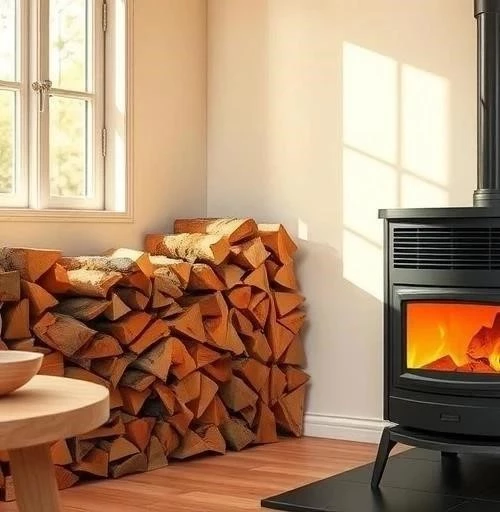
Wood heating can be economical and dependable‚ but only when the stove‚ fuel‚ chimney and building work together. The efficiency of wood heating is not determined by the appliance alone: poor fuel or weak heat insulation can waste much of the energy before it warms your rooms.
Choose the right appliance and fuel
A wood-burning stove heats the space around it directly‚ while a wood boiler can serve a whole private-house heating system. Compare the stove’s efficiency rating and the boiler’s rated efficiency‚ or КПД‚ with your home’s heat demand. An oversized appliance is often run at low output‚ which encourages smoky combustion and deposits in the chimney.
Wood selection matters. Use seasoned‚ untreated logs suited to the appliance‚ and check their moisture content: dry firewood‚ ideally below 20% moisture‚ burns more cleanly than freshly cut wood. Wet logs use energy to evaporate water‚ lowering their heating value‚ reducing heat output and increasing smoke. Store fuel under cover with airflow around the stack.
Burn cleanly and manage heat
Start with correct lighting: open the air controls as directed by the manufacturer‚ use dry kindling‚ and establish a lively flame before adding larger logs. Follow the appliance’s recommended combustion mode. Smouldering a fire by closing the air too far may seem to save fuel‚ but it lowers efficiency and can create soot and creosote.
Good chimney draft is essential for safe‚ steady combustion. Have the flue inspected and swept regularly; the required cleaning schedule depends on use‚ fuel and local rules. Never block ventilation or ignore smoke entering the room. If the fire is difficult to control‚ ask a qualified professional to check the chimney and installation.
Reduce heat loss
Improve the home’s insulation‚ seal drafts and use room controls where appropriate. A well-insulated building needs less heat‚ so fuel consumption falls without sacrificing comfort. Distribute heat thoughtfully: keep the stove clear‚ avoid covering radiators‚ and balance the system so rooms warm evenly.
A heat accumulator can store surplus heat from a wood boiler and release it later. This can help the appliance run at a cleaner‚ more efficient output instead of being continually throttled. Size and connect the tank to match the boiler and heating system; professional design matters.
Track results and stay safe
Record how much wood you use‚ its condition‚ indoor comfort and outdoor temperatures. If consumption remains high‚ check fuel moisture‚ draft‚ appliance operation and heat loss before simply adding more logs. The goal is useful heat from every load—not the longest possible burn. Follow the manufacturer’s instructions‚ maintain alarms‚ and keep combustible materials away from hot surfaces.
In short‚ maximum efficiency comes from dry fuel‚ correct lighting‚ a suitable burn rate‚ a clean chimney and a well-insulated home. Together‚ these measures improve heat output‚ reduce fuel use and make wood heating safer and more predictable.




8 Comments. Оставить новый
It is helpful that the article also considers the building rather than focusing only on the stove. Better insulation and draft sealing reduce heat demand, which can lower fuel use without relying on a hotter or larger fire.
The article makes a useful point that efficient heating depends on more than the appliance itself. Fuel moisture, chimney condition, and the home’s insulation all affect how much usable heat a wood-burning system provides.
The article balances efficiency with safety well. Regular chimney inspection and sweeping are sensible reminders, particularly because the right maintenance schedule can depend on the fuel, frequency of use, and local requirements.
I appreciate the warning against choosing an oversized stove or boiler. Matching an appliance to the home’s heat demand can support cleaner combustion and help prevent the problems that come from running a fire at very low output.
This is a practical overview for anyone considering wood heating. Its strongest message is that the appliance, fuel, chimney, and house need to work together; neglecting any one of those factors can compromise performance and safety.
The explanation of wet firewood is especially helpful. Readers may not realize that moisture reduces heat output while increasing smoke, so the practical advice to store logs under cover with airflow is important.
The advice to avoid smouldering fires is convincing: restricting the air too much may appear economical, but it can undermine combustion and increase deposits. Following the appliance maker’s guidance is a practical way to reduce that risk.
The moisture guidance gives readers a clear benchmark, while also explaining why it matters. Using properly seasoned logs can improve heat output and reduce smoke, making fuel preparation part of both efficiency and responsible operation.