
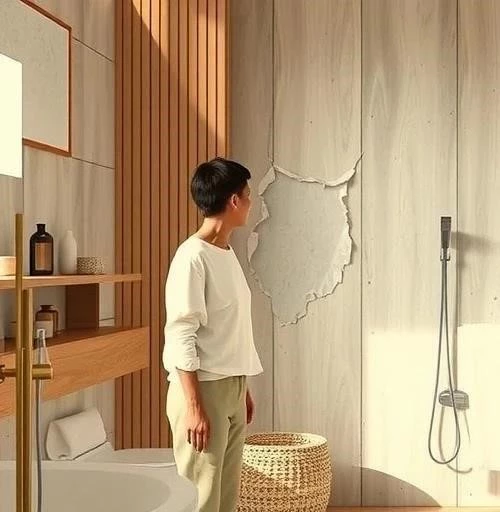
Gypsum panels can refresh a bathroom without a major renovation, bringing an eco-style interior to an otherwise ordinary room․ Their relief and imitation of natural textures pair well with natural shades, timber accents and stone-look finishes․ But attractive design is not enough: high humidity makes careful product selection and installation essential․
Choose the right materials and location
Standard gypsum panels are not automatically suitable for bathrooms․ Choose moisture-resistant panels specifically rated for interior use in humid rooms, and follow the manufacturer’s instructions․ These eco-friendly finishing materials can work well on walls outside direct splash zones, but they are not a substitute for waterproofing․ The area near the shower or bath needs a proper waterproof system and a finish approved for direct water exposure․ Using ordinary panels there is one of the most serious panel installation mistakes․
Prepare the walls before installation
Bathroom wall finishing begins with a sound, dry, clean surface․ Remove loose paint and dust, repair uneven areas, and check for leaks or damp patches․ Apply a compatible surface primer and allow it to dry fully․ Wall waterproofing should be continuous where required, especially around plumbing and wet zones․ Skipping wall preparation or applying panels over damp walls can trap moisture and encourage mold and mildew․
Install with care
Choosing panel adhesive matters: it must be compatible with both the panel and the substrate and suitable for humid conditions․ Follow the specified application pattern and curing time rather than relying on a few random dabs․ Where the wall is uneven or the system calls for it, frame mounting can provide a stable base, but the cavity must not become a place for hidden condensation․ Keep edges aligned and allow for any movement gaps specified by the product maker․
Joint treatment is just as important as fixing the panels․ Use the recommended filler, tape or profile, then complete seam sealing with a bathroom-appropriate sealant where required․ Poorly treated joints let water reach the backing; excessive sealant or incorrect products can also spoil the finish․ Never assume decorative gypsum cladding alone provides moisture protection․
Prevent long-term damage
Bathroom ventilation helps remove steam and supports finish durability․ Use an extractor fan when needed, keep vents clear, and deal promptly with leaks․ Persistent high humidity may cause deformation of gypsum panels, peeling finishes, mold and mildew, or damage behind the cladding․ Inspect corners and joints periodically, especially after the first weeks of use․
For bathroom wall cladding to last, follow the care instructions: clean gently with a soft cloth and a suitable product, avoid soaking the surface, and do not use abrasive tools unless approved․ Thoughtful placement, correct installation and routine care make an interior update without renovation both practical and attractive․ With the right moisture-resistant panels and realistic expectations, a bathroom interior can gain texture and warmth without compromising protection․
5 Comments. Оставить новый
A useful reminder that decorative panels are not a replacement for proper waterproofing. The distinction between splash zones and other wall areas is especially important.
This gives a clear overview of the main risks involved in installing gypsum panels in a bathroom. The notes about adhesive compatibility and joint treatment are particularly helpful.
The practical focus on surface preparation and drying time makes this advice valuable. Moisture-resistant materials alone cannot compensate for a damp or poorly prepared wall.
A sensible guide for anyone considering an eco-style bathroom update. It balances the design benefits with realistic advice about humidity, waterproofing, and careful installation.
I appreciate the emphasis on checking product ratings and following the manufacturer’s instructions. Bathroom materials need to be chosen for their specific conditions, not just their appearance.