
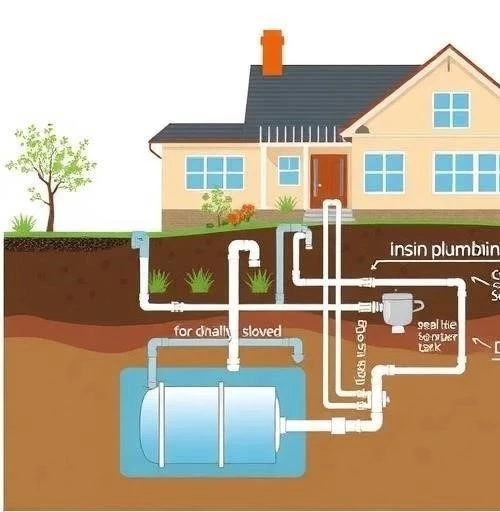
A reliable autonomous sewage system is more than a tank in the yard: it is a complete wastewater system designed for the household, soil and climate. Good planning protects the home, prevents pollution and helps equipment last. Before choosing a solution, assess the number of residents, daily water use, groundwater level, soil type, site dimensions and access for service vehicles. A professional sewer system calculation should follow local sanitary standards and manufacturer requirements.
Plan the route and choose materials
Indoor sewerage carries wastewater from sinks, toilets and appliances to the building outlet; outdoor sewerage conveys it to treatment. Keep runs short and provide a consistent pipe slope: too little encourages deposits, while excessive slope can let water outrun solids. Select pipe laying depth with local frost conditions and traffic loads in mind. Where pipes are shallow or exposed, sewer insulation and other frost protection measures may be needed.
Compare pipe materials for temperature resistance, strength and compatibility. PVC pipes are common for outdoor lines, while polypropylene pipes are often used indoors because they tolerate hot discharges. Correct sizing, supports and careful assembly matter as much as the material. Check joint tightness at every connection. During sewer installation, protect pipes from stones, sharp bends and uneven bedding that could cause damage or settlement.
Select the right treatment technology
A septic tank for a private house separates solids and allows preliminary treatment; it normally needs a suitable soil-based finishing stage. Depending on site conditions, wastewater may pass to a filtration well or a leach field. A drainage system can help manage excess water, but it must not be mistaken for a wastewater outlet. Soil permeability, available area and groundwater separation determine whether these options are safe and permitted.
A biological treatment plant, also called a local treatment facility, uses microorganisms to provide more intensive wastewater treatment where a conventional septic arrangement is unsuitable. Some models rely on electricity for aeration and pumps. A non-electric sewerage option may be preferable where power is unreliable, but its design must match the site and expected flow. Choose technology for actual conditions, not advertised capacity alone.
Installation, ventilation and protection
Gravity drainage is usually simple and economical when the building layout allows the required elevation. If fixtures sit below the outlet or the route cannot maintain a gravity fall, a sewage pump can provide forced sewerage. Install it according to the maker’s instructions, with access for cleaning and a suitable alarm or backup plan where flooding would cause damage.
Proper sewer system ventilation balances air pressure and helps prevent sewer gases from entering rooms. A soil pipe should extend and terminate as required by local code, away from windows and air intakes. Provide an inspection hatch at important bends and a manhole on accessible outdoor sections so blockages can be located without excavation. Keep vehicles and heavy structures away from buried tanks and pipe routes.
Maintenance for lasting performance
Arrange septic maintenance and treatment-plant servicing at the intervals specified by the manufacturer and local rules. Remove accumulated sludge when needed, inspect pumps and alarms, and keep records. Clog prevention is easier than emergency repairs: avoid flushing wipes, grease, sanitary products, solvents or excessive food waste. Do not pour harsh chemicals into the system, since they may disrupt biological treatment.
Inspect visible lines for leaks, odors and slow drainage, and check chambers after heavy rain or frost. Never enter a tank or manhole without trained personnel and proper safety equipment. Correct sizing, sound construction, suitable frost protection and timely maintenance all extend system service life. When design and operation work together, equipment durability improves, repairs become less frequent, and the home’s sewerage remains safe and dependable.

4 Comments. Оставить новый
A helpful overview of the factors that should be considered before installing a household wastewater system. The emphasis on soil conditions and groundwater protection is especially important.
The practical advice on pipe slope, materials and careful installation makes this article useful for homeowners planning a sewer project. Consulting local requirements is a sensible reminder.
I appreciate the distinction between a septic tank, a finishing stage and drainage. Explaining how site conditions affect the choice of treatment helps readers avoid unsafe assumptions.
A clear introduction to planning a reliable wastewater system. The points about frost protection, pipe bedding and future service access highlight details that are easy to overlook.