
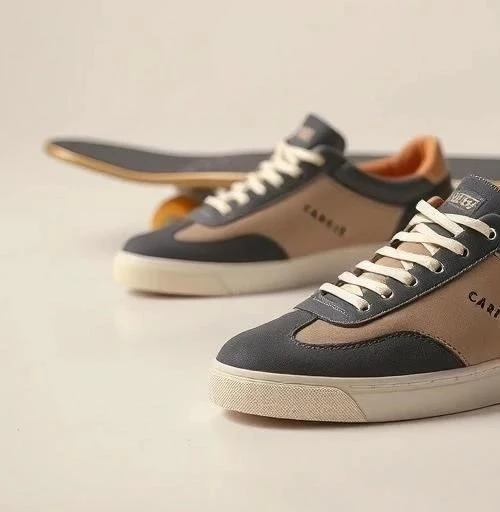
A narrow foot has a talent for turning shoe shopping into a tiny escape-room challenge. The heel slips, the foot slides sideways, and the laces seem to be doing the work of a seat belt. Add skateboarding—where shoes need to grip the board, bend naturally, and survive repeated friction—and “Does this Reebok fit?” becomes a more useful question than “Does it look good?”
The short answer: Reebok may work for a narrow-footed skater, but the name alone cannot predict the fit. Shape and construction vary by model, and many familiar Reebok styles are lifestyle sneakers rather than shoes designed specifically for skating. Choose by trying on the exact pair, checking how securely it holds your foot, and considering how you intend to ride.
First, separate the look from the job
Some Reebok designs have the clean, low-profile appearance that feels right at a skatepark. But a skate-inspired silhouette does not automatically mean skate-specific construction. A shoe made primarily for everyday wear may have a sole, upper, or reinforcement pattern that behaves differently under repeated board contact.
For skating, look for dependable grip, a secure fit, enough flexibility to feel the board, and materials that can handle abrasion. If a model is not promoted as a skate shoe, treat it as an everyday sneaker until you have checked its construction and tested it cautiously. A stylish shoe can still be a perfectly reasonable choice for cruising or occasional, low-impact sessions; it just may not last as long under demanding use.
Why narrow feet need more than a smaller size
A shoe can be the correct length and still feel too roomy. Narrow-footed skaters often notice movement at the heel, extra space beside the midfoot, or a loose feeling across the instep. Sizing down is tempting, but it can push the toes against the front and create discomfort without fixing the shoe’s overall shape.
- Heel hold: Your heel should stay seated when you walk and gently shift your weight. A little movement can be normal in a new shoe, but obvious lifting is a warning.
- Midfoot security: The shoe should wrap the foot rather than let it drift from side to side. Tightening the laces can help only if the upper and eyelets allow a secure adjustment.
- Toe room: Your toes need space to spread and move. Narrow does not mean cramped.
- Board feel: The sole should feel controlled, not so thick or stiff that you struggle to sense the board beneath you.
Which Reebok styles should you consider?
Start with the exact model, not a general assumption about Reebok sizing. Classic-looking families such as Club C, Workout, or Classic Leather may appeal to skaters who want a court-inspired or retro look. Their fit and materials can differ, and their everyday design does not by itself guarantee skate-level grip or durability. Check the product description for intended use, sole construction, upper material, and any reinforcement in likely wear areas.
For a narrow foot, a lace-up model with eyelets that let you draw the upper snugly may be easier to secure than a shoe with a roomy, unstructured opening. A padded collar and tongue can improve comfort, though padding cannot transform a substantially wide shape into a narrow one. If you find a Reebok model described as skate-specific, compare its fit and construction with your needs rather than assuming every shoe in the brand’s range shares the same last.
A five-minute fitting test
- Try both shoes. Feet can differ slightly, and the roomier foot should guide your decision.
- Wear your skate socks. A thin shop sock can make a comfortable shoe feel secure when your usual socks tell another story.
- Lace them as you would at home. Tighten from the lower eyelets upward, distributing tension rather than pulling one section painfully tight.
- Walk, crouch, and shift your weight. Check for heel lift, side-to-side sliding, pressure points, or toes hitting the front.
- Try a small, safe board-feel check. If possible, stand on a stationary board on a stable surface. Notice whether the shoe feels planted and predictable. Do not attempt tricks in an untested pair.
Fit shoes later in the day if you can: feet may swell a little over time. And remember that an in-store try-on tells you about comfort and security, not how quickly a sole will wear down during regular skating.
Can lacing or an insole solve a loose fit?
Sometimes. A runner’s-loop lacing pattern can help reduce heel movement, and a thin insole may take up a small amount of extra volume. These are fine adjustments, not miracles. A thick insert can lift the heel out of its intended position, change how the shoe flexes, and crowd the toes. If the shoe only stays on after an elaborate lacing ritual, or feels pinched once tightened, try another shape instead.
Do not rely on “breaking in” to fix serious looseness. Materials may soften, but a shoe that slides around the foot can remain unstable—and can make precise foot placement harder. Comfort should not require a painful break-in period.
Match the shoe to the way you skate
For occasional cruising, a comfortable everyday Reebok may be enough if it fits securely and the sole gives you reliable contact. For frequent sessions, technical tricks, or heavy wear, prioritize a shoe specifically designed for skateboarding, with durable construction where your board and grip tape will rub. Compare Reebok with dedicated skate models in person if possible; the best choice is the one that holds your foot and suits your actual use, not the one with the most persuasive logo.
The verdict
Reebok can be a good option for narrow feet—but only model by model. Do not assume that all Reeboks run narrow, and do not solve excess width by automatically buying a shorter size. Check heel hold, midfoot fit, toe room, lacing adjustment, and skate-relevant construction. If the shoe feels secure before you tighten the laces to their limit, that is a promising start. If it looks perfect but lets your foot wander, keep shopping.
The right pair should feel like a quiet conversation between foot and board: snug enough to listen, flexible enough to respond, and comfortable enough that you notice the ride—not the shoe.
8 Comments. Оставить новый
The shoe-as-escape-room comparison got me immediately. The reminder that a snug heel matters more than simply buying a smaller size is especially useful—my toes have suffered enough from that particular “solution.”
This is refreshingly practical: judge the exact model, not the logo. Fit advice that acknowledges heel slip and midfoot space feels much more useful than a blanket brand verdict.
A good reminder that cruising around and skating hard are different jobs for a shoe. Sometimes the right answer isn’t “never wear it,” but “know what you’re asking it to do.”
I appreciate how the article balances style with function instead of scolding anyone for wanting a good-looking shoe. The best fit check is still the one your own feet can confirm.
I like the distinction between a skate-inspired look and actual skate construction. A shoe can dress like it knows every trick in the book and still be unprepared for the board.
Heel hold, board feel, and abrasion resistance: a tidy little checklist for a decision that can otherwise feel like guesswork. The escape-room metaphor may be funny, but this gives readers a map.
The warning about sizing down is spot-on. A cramped toe box does not magically make a roomy shoe narrow—it just turns your feet into passengers on a very uncomfortable trip.
The seat-belt image made me laugh, but it also captures that loose-shoe feeling perfectly. I’d love to see more advice that treats foot shape as individual rather than assuming everyone fits the same mold.