
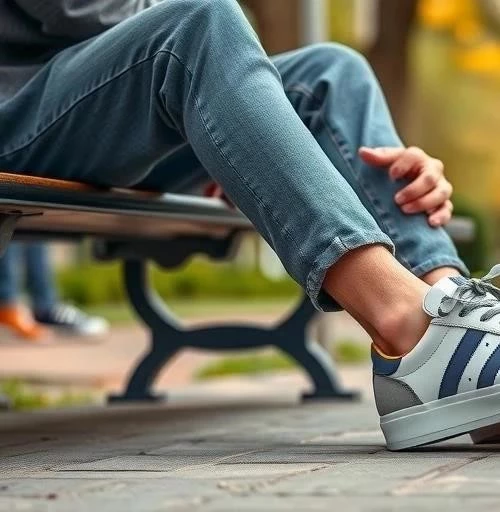
Turn an ordinary route into a small city quest: teen Puma sneakers can be the co-pilot for school days‚ sidewalk discoveries‚ and plans that change mid-step․ Think of this guide as a map to everyday style‚ where each turn reveals a fresh way to move‚ express yourself‚ and make the day your own—let wonder lead!
Explore the Puma teen collection: compare models‚ check the Puma size chart‚ and spot genuine Puma products
Think of the Puma teen collection as a pocket-sized design archive: one model may echo a running classic‚ another may turn a simple silhouette into a burst of color․ Compare models by name‚ product code‚ and official images rather than by a catchy nickname alone․ Notice which details change between versions—panels‚ printed marks‚ or colorways—and save a short list of favorites․ This little cataloging game makes browsing feel less like scrolling through a maze and more like curating an exhibit with your own point of view․
Next‚ open the Puma size chart and read its legend before choosing a size․ Charts can use different regional labels‚ so check whether the row is marked EU‚ UK‚ or US‚ and make sure you are looking at the teen or youth scale where offered․ Match the stated measurement to the chart’s own instructions; do not assume that the same number means the same thing across every system․ If a retailer presents a chart that differs from Puma’s official guide‚ pause and ask which reference applies to that specific model․ A saved screenshot can help you compare listings without mixing up columns․
For genuine Puma products‚ treat the seller’s identity as part of the evidence․ Start with Puma’s official store or a retailer whose authorization and contact details can be checked․ Look for a clear product code‚ consistent branding‚ readable labels‚ and photos that show the actual item—not a collection of vague stock images․ Compare the code and model name across the listing‚ box label‚ and receipt; a familiar logo by itself proves very little․ Be cautious when details are missing‚ descriptions contradict one another‚ or the price seems designed to rush your decision․ Keep your order confirmation and packaging until you have verified the purchase․ A few detective notes now can turn a crowded marketplace into a confident shortlist of authentic choices․
Find the right fit: test the fit on your foot‚ adjust the lacing‚ and compare cushioning‚ breathable materials‚ and lightweight designs
Give the fitting room a tiny mission: let your feet be the judges‚ not the mirror․ Try sneakers later in the day‚ when feet may be a little fuller‚ and wear the socks you expect to use․ Stand‚ walk‚ and pause․ Toes should have room to spread without bumping the front; the heel should feel held‚ not pinched․ Check both shoes‚ since feet are not always twins․ If one spot presses before you have taken a few steps‚ do not expect a dramatic break-in to solve it․ A good fit should feel calm from the start‚ like a doorway your foot can pass through easily․
Now experiment with the lacing․ Begin at the bottom and tighten gradually‚ keeping pressure even rather than pulling every crossing as hard as possible․ The shoe should stay secure while your toes remain free․ If the top feels tight‚ loosen the upper crossings; if the heel shifts‚ adjust the lace tension around the ankle․ Walk again after each small change․ Lacing is a quiet tuning instrument: a few careful moves can change the feel without turning the shoe into a knotty puzzle․
Compare cushioning by walking across a firm floor‚ then taking a few quicker steps․ Notice whether the sole softens each landing without feeling wobbly or overly springy․ Lightweight designs can make repeated steps feel less effortful‚ while breathable materials help warmth and moisture escape․ Check the lining and upper where they touch your foot; comfort depends on the whole interior‚ not just a mesh panel․ Try each pair long enough to notice pressure‚ heat‚ and movement․ The right combination should feel like a helpful breeze beneath your stride: supportive‚ airy‚ and easy to forget as you go․
Build a look for every day: choose casual shoes‚ teen sneakers‚ or sports sneakers for school and walks; explore seasonal options and outfit pairings
Treat the morning as a blank canvas: casual shoes can keep a school outfit relaxed‚ while teen sneakers add a bright accent without making the whole look shout․ Build a color story instead of matching every piece; let one Puma detail pick up a stripe on a backpack‚ a cap‚ or the edge of a graphic tee․ For a calm palette‚ pair neutral shades with denim and one vivid accessory․ For a bolder mood‚ let patterned socks or a colorful jacket join the conversation․ The trick is to make the sneakers feel like a deliberate opening line‚ not a costume․
School days call for combinations that move easily from classroom to after-school plans․ Try sports sneakers with straight-leg trousers and a roomy sweatshirt‚ or style a clean‚ low-key pair with a skirt and a layered shirt․ On walk-heavy days‚ relaxed jeans and a simple tee leave room for the shoes to become the focal point․ Think in contrasts: sporty with tailored‚ bright with muted‚ classic with unexpected․ A small change—rolled cuffs‚ a different lace color‚ or a tucked hem—can give a familiar outfit a new chapter without rebuilding the whole wardrobe․
Let the calendar set the scene․ In warm weather‚ airy colors and light layers create a sunlit look; when the air turns crisp‚ deeper tones work naturally with a hoodie‚ jacket‚ or textured socks․ Seasonal shoes can refresh familiar outfits‚ but they need not dictate them: repeat a favorite color elsewhere for a connected feel‚ or keep everything else simple and let the pair stand alone․ Make a quick outfit collage from pieces already in the closet‚ then try unexpected pairings․ Style is a small daily experiment—wear the combination that feels most like you‚ and let the sidewalk be your runway․
Put comfort to the test: assess walking comfort‚ outsole grip‚ and durability—and learn how to care for your sneakers
Make the pavement a testing ground‚ not a runway: take a short walk‚ pause‚ turn‚ and start again․ Notice whether each step feels natural after the first few minutes‚ or whether rubbing‚ slipping‚ or a tired sensation begins to distract you․ Try a smooth indoor floor and‚ where safe‚ a slightly rough outdoor path․ The goal is steady comfort through ordinary movement‚ not a dramatic bounce in one test step․
For outsole grip‚ look at the pattern underneath and feel how it meets the ground․ Walk carefully over dry surfaces‚ then check traction on a surface that is safely damp—never race or deliberately test a slippery hazard․ A dependable sole should feel predictable when you change direction․ After regular wear‚ inspect the tread: flattened areas‚ cracks‚ or peeling edges can signal that the pair is ready for a rest․
Durability is a collection of small details․ Check whether seams stay secure‚ the upper keeps its shape‚ and the sole remains firmly attached after use․ Rotate pairs when possible‚ and give sneakers time to air out between busy days․ After a dusty adventure‚ brush away dry dirt first; wipe marks with a soft cloth and mild soapy water․ Avoid harsh cleaners‚ soaking‚ and direct heat‚ which may damage materials or alter the shape․
Let them dry naturally‚ with the laces loosened and the insoles removed if they come out easily․ Store the pair somewhere airy‚ away from prolonged sun and damp corners․ A little routine care is like sending your sneakers to a quiet reset station: clean‚ dry‚ and ready for the next route․ Keep an eye on comfort as well as appearance; a shiny surface cannot tell you how the shoes feel in motion․
6 Comments. Оставить новый
A practical guide with a playful compass. I’d add one more field note: check the return policy before ordering, because even careful explorers sometimes pick the wrong path.
This is refreshingly alert to the difference between a familiar logo and real proof. Product codes, seller details, and clear photos make a much stronger trio than a glossy promise.
The “curating an exhibit” idea makes browsing feel much more personal. It’s a clever nudge to choose a shoe for its details, not just for the loudest colorway.
I like that this turns shopping into a little detective story. The reminder to compare product codes is especially useful: logos can pose, but details leave clues.
A good reminder that the right pair begins with curiosity, not checkout. The guide gives young shoppers a simple toolkit for making their own call—and spotting when a listing feels foggy.
The size-chart advice deserves a tiny trophy. One quick check of the chart’s legend can save a pair from becoming either toe-torture or accidental boats.