
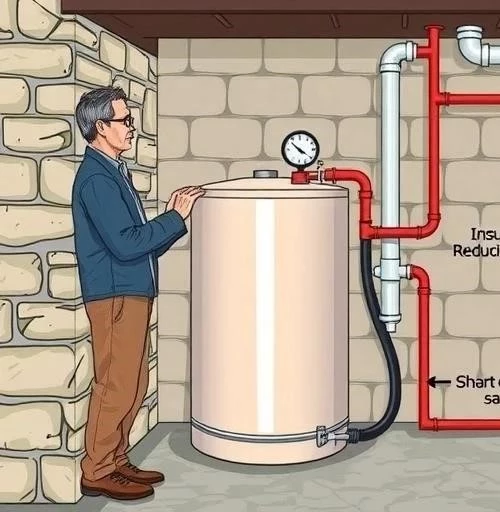
An expansion tank does not insulate a house or directly reduce heat loss․ Its role is to accommodate the increase in coolant volume as water warms, helping keep pressure stable and protecting the heating circuit․ In an older home, correct tank setup supports reliable operation, while insulation and system adjustments address energy use․
Identify the system type
An open heating system has a vented tank, usually at a high point․ A closed heating system uses a sealed diaphragm expansion tank․ The two arrangements require different checks, so identify the system before changing settings․ In a closed system, the tank’s air-side pre-charge must suit the static height of the circuit and the boiler maker’s instructions․
Check tank size and pressure
The expansion tank volume depends on the total coolant volume, its temperature range, and the system’s pressure limits․ An undersized tank can cause pressure to rise sharply as the coolant heats; an oversized tank is not automatically a problem, but still needs correct setup․ Check pre-charge only when the water side is depressurized․ Use a suitable gauge, and compare the reading with the specified value․ Then refill the circuit to its required cold pressure and check it with a heating-system pressure gauge during operation․ Never exceed equipment limits․
Improve performance in an old house
First inspect the tank, connections, and heating circuit for leaks, corrosion, or a damaged diaphragm․ Confirm that the boiler, circulation pump, and air vent operate properly․ Persistent pressure changes, frequent topping up, or discharge from the safety valve call for diagnosis by a qualified technician; simply adding water can conceal a fault․
To reduce heat loss in the building, insulate exposed heating pipes, especially in unheated basements and lofts․ Pipe insulation limits heat transfer where warmth is not useful, though it must not cover service labels, controls, or components that need ventilation․ Seal drafts and improve the building envelope where practical․ These measures usually affect energy use more directly than tank adjustment․
Balance and maintain
Hydraulic balancing helps distribute heat evenly among radiators․ After changes, adjust the system gradually and observe room temperatures, boiler operation, and pressure․ A clear connection diagram for the expansion tank helps with inspection and future maintenance․ Arrange periodic servicing, including checks of tank pre-charge, system tightness, pump settings, air vents, and safety devices․ Proper tank management supports dependable heating; insulation, balancing, and routine maintenance together improve comfort and heating efficiency․

2 Comments. Оставить новый
The guidance is well organized, covering system types, pressure checks, and common warning signs. It appropriately emphasizes following equipment specifications and avoiding repeated refilling as a substitute for finding a fault.
The article clearly distinguishes the purpose of an expansion tank from measures that reduce heat loss. Its practical checks and safety cautions help readers understand when professional diagnosis is appropriate.