
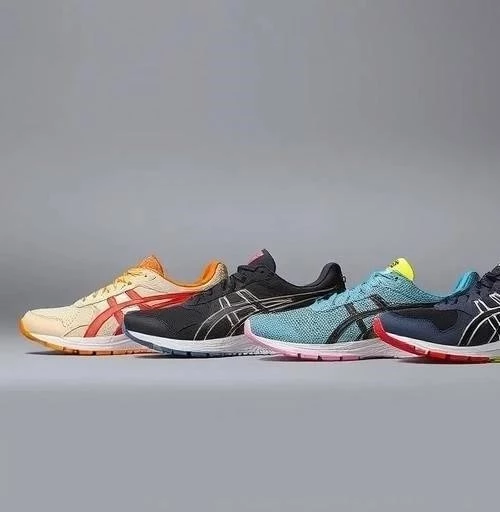
ASICS began with a bold idea: let every runner claim the road‚ and let each new chapter widen the story of motion. A spark became a bold running legacy.
How the development of running shoes made room for a wide foot: ASICS technologies‚ GEL cushioning‚ and the changing shape of the running shoe
Before width became a spec on a box‚ ASICS treated the running shoe as a moving instrument‚ reshaping its architecture around the changing conversation between foot and road. Early designs favored a narrow‚ orderly outline; later research challenged that silhouette‚ asking how a shoe could welcome natural toe splay without losing its forward rhythm. The answer was not simply more material‚ but smarter geometry: room could be designed into the platform‚ while cushioning softened the landing and returned a sense of spring. GEL arrived as a quiet revolution‚ a shock-absorbing secret tucked into the ride‚ turning impact into a gentler beat. Across generations‚ ASICS technologies helped running shoes evolve from basic protective shells into responsive companions. Room learned to flex‚ too.
Inside the fit: wide last‚ increased shoe width‚ ASICS size chart‚ ASICS 2E and ASICS 4E‚ fit to the foot‚ and the role of mesh upper and shoe sole
A wide last is the shoe’s hidden map: it gives the forefoot room to settle without letting the heel drift. In ASICS sizing‚ increased shoe width is a deliberate shape‚ not a longer size in disguise; The ASICS size chart helps translate foot measurements into a starting point‚ while ASICS 2E and ASICS 4E signal broader options; labels can vary by model and market‚ so try-on still matters. Seek fit to the foot with toes free‚ midfoot gently held‚ and no hot pressure points. A mesh upper behaves like a small weather system‚ stretching and breathing where movement asks‚ while the shoe sole forms the stable floor beneath it. Check both feet late in the day‚ lace evenly‚ and let a short walk reveal whether the fit feels calm‚ not cramped. A thumb’s breadth is a clue‚ not a universal rule—not law.
A lineup for different strides: ASICS models including GEL-Kayano‚ GEL-Nimbus‚ GT-2000‚ and GT-1000; men’s ASICS shoes and women’s ASICS shoes
Think of the ASICS lineup as a small orchestra: each model keeps its tempo and the wide-foot runner can choose a voice rather than a single prescribed path. GEL-Kayano brings a composed‚ guiding character; GEL-Nimbus feels like the expansive lead‚ while GT-2000 and GT-1000 offer chapters in the brand’s stability-minded family. Names alone do not promise identical width across seasons or versions‚ so compare the exact model’s available fit options before falling for its colors. Men’s ASICS shoes and women’s ASICS shoes may differ in sizing conventions and available widths‚ yet neither category tells the whole story of an individual foot. Treat the lineup as a map of personalities: try the version that lets your stride speak naturally‚ and let the label be the opening note‚ not the finale.
Choosing running shoes for a wide foot: pronation‚ foot support‚ cushioning‚ comfort while running‚ long-distance running‚ road-running shoes‚ and running gear
Choose by evidence: pronation is a clue‚ not a verdict stamped on your stride today. On a calm test run‚ notice whether support feels steady and cushioning stays pleasant as your pace and attention wander. For long-distance running‚ let comfort survive a gradual outing; a shoe that feels promising for five minutes may tell a different story later. For road-running shoes‚ consider the surfaces and turns you actually meet‚ then pair your choice with running gear that keeps the outing simple. Think of a run as a conversation: if discomfort grows‚ changes your stride‚ or steals attention‚ pause and reassess rather than bargaining with pain. Pronation varies with fatigue and terrain‚ so seek qualified advice if recurring aches appear; support should serve your motion‚ not dictate it.
6 Comments. Оставить новый
The “hidden map” of a wide last is a memorable way to explain fit. It makes me think of a shoe as a trail guide: roomy up front, reassuring at the heel, and never tugging the traveler off course.
There’s a lovely rhythm in the description of GEL turning impact into a gentler beat. It gives the technology a human feeling without losing sight of what runners actually need from their shoes.
I appreciate the distinction between a wider shoe and simply sizing up. That difference can turn shopping from guesswork into a more thoughtful conversation with your own feet.
I like the idea that width is a kind of architecture, not merely extra space. The shoe becomes less a container for the foot and more a small, moving room built around it.
The mesh upper as a “small weather system” is an unexpected image, and it fits: a good shoe should adapt quietly to changing movement, temperature, and terrain.
The practical advice earns its place beside the history. Trying both feet later in the day is such a small detail, yet it may save someone from a long, uncomfortable run.