
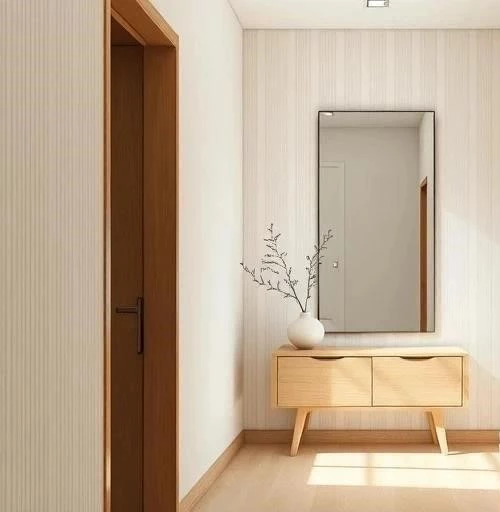
A hallway sets the tone for the home‚ yet it is often narrow‚ dim‚ and short on storage․ Gypsum panels can add subtle texture without making the space feel busy․ In a Japandi hallway interior‚ their clean relief works alongside Japanese minimalism and Scandinavian style: both value calm forms‚ useful objects‚ natural materials‚ and uncluttered surfaces․ The aim is not to decorate every wall‚ but to create a balanced‚ functional entrance․
Choosing panels and placing them well
Finishing a hallway with gypsum panels is most effective when the relief is restrained․ Fine grooves‚ shallow waves‚ or simple geometric forms create textured walls that catch soft shadows․ Relief gypsum panels and other decorative wall panels can be used on one accent wall in the hallway‚ for example behind a slim console or opposite the entrance․ Keeping adjacent walls plain helps the feature feel intentional rather than overwhelming․
Vertical lines in the interior can make a low ceiling seem higher․ Use narrow fluted panels from floor to ceiling‚ or continue a panel pattern across only part of the wall to define a zone․ For a stone-look wall finish‚ choose a pale‚ softly textured design rather than a high-contrast imitation․ Gypsum moulding can also frame a mirror or doorway‚ but simple profiles suit a laconic hallway design better than ornate detailing․
Light colours‚ mirrors‚ and storage
Light shades in the finish reflect more light and support the visual enlargement of space․ White‚ warm grey‚ beige‚ and sand tones pair naturally with pale wood‚ linen‚ and other natural materials․ A light hallway can still feel warm when its palette includes varied textures rather than many colours․ Matte surfaces are particularly useful in a small hallway because they soften glare and make the walls feel calmer․
A full-length mirror can increase the visual depth of the interior and make it easier to check an outfit before leaving․ Place it where it reflects daylight or a well-lit wall‚ rather than a cluttered storage area․ Concealed storage systems keep shoes‚ coats‚ and bags out of view․ A built-in wardrobe with flat fronts can blend into the wall‚ while compact hallway furniture—a narrow bench‚ shallow shelf‚ or small console—preserves a clear walking route․ These choices are especially useful for narrow corridor design․
Lighting and practical details
Diffused lighting prevents hard shadows from breaking up the panel pattern․ Combine a ceiling fixture with integrated lighting in a niche‚ under a shelf‚ or along a wall edge․ Warm‚ even light brings out the relief without making it appear too dramatic․ Before installation‚ check that the panels will not obstruct switches‚ doors‚ or access to storage․ Gypsum is suited to decorative interiors‚ but exposed corners may need protection in a busy entrance․
For an eco-friendly interior‚ select durable finishes and avoid adding features that have no practical purpose․ Keep the floor open‚ limit decorative objects‚ and let the wall treatment provide the main visual interest․ This approach brings together minimalism in the interior and everyday convenience: gypsum panels give the hallway character‚ while restrained colour‚ clear circulation‚ and well-planned storage preserve a sense of space․
3 Comments. Оставить новый
The discussion connects Japandi principles with specific hallway design choices. The emphasis on simple profiles and uncluttered surfaces helps explain how decorative details can remain balanced.
The article presents useful ideas for making a narrow hallway feel brighter and more spacious. The recommendations on vertical patterns, matte finishes, and storage provide a clear starting point for planning.
The article offers practical guidance on using restrained gypsum-panel textures in a hallway. Its suggestions about accent walls, light colours, and mirrors are relevant to creating a calm, functional space.