
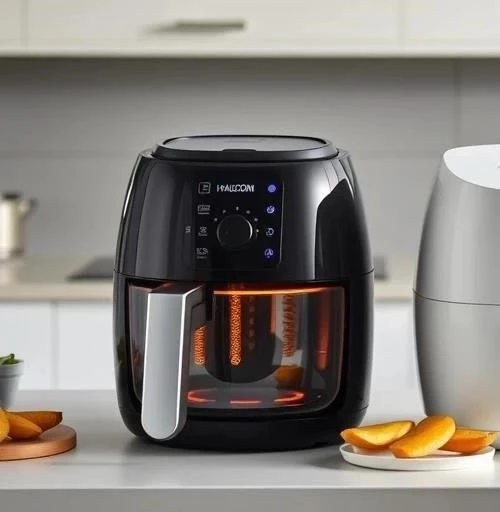
When choosing an air fryer‚ one of the main differences is its heat source. A halogen model uses a bright halogen lamp‚ while a heating-element model uses a conventional electric element. Both circulate hot air around food‚ but they differ in how they heat‚ how they feel to use‚ and what matters most in everyday cooking. Neither type is automatically better for everyone.
How the two types work
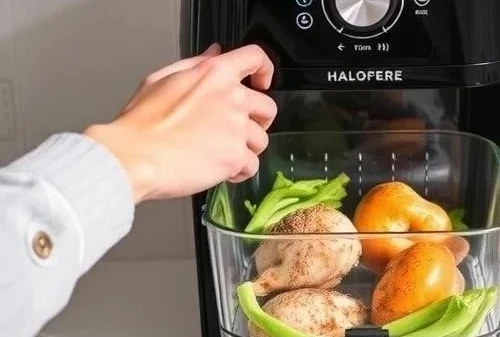
A halogen air fryer combines a lamp with a fan. The lamp produces infrared heat‚ and the fan moves hot air around the cooking chamber. Because the bowl is often transparent‚ you can watch food brown without opening the lid. The glowing lamp may switch on and off as the thermostat maintains the selected temperature; this is normal.
A heating-element‚ or “coil‚” air fryer uses a metal element—usually above the food—with a fan to distribute heat. Many basket-style models use this design. The food is cooked in a relatively compact chamber‚ and the basket can usually be pulled out for shaking or turning.
Cooking results and speed
Either design can crisp fries‚ roast vegetables‚ cook chicken‚ and reheat leftovers; Results depend at least as much on airflow‚ capacity‚ temperature control‚ and food arrangement as on the heat source. A crowded basket or a deep pile of food can cook unevenly in any appliance. For the best browning‚ leave space between pieces and turn or shake them when appropriate.
Halogen models are often advertised as especially fast because infrared heat warms food and the cooking chamber quickly. They can be convenient for small batches‚ and the clear bowl makes progress easy to monitor; However‚ the lamp’s direct heat may brown exposed surfaces quickly‚ so check food and adjust time rather than relying blindly on a recipe.
Coil models generally offer familiar‚ predictable operation and are widely available in basket and oven-style formats. Their performance varies considerably: a powerful model with good airflow may outperform a poorly designed halogen unit. Preheating may be useful for some recipes‚ but it is not always necessary.
Pros and trade-offs
- Halogen: visible cooking‚ quick heat-up‚ and often a roomy bowl. The glass can be heavy‚ hot‚ and awkward to wash or store; the bright lamp may bother some users.
- Heating element: broad model choice‚ easy-to-use baskets‚ and generally familiar controls. You cannot see through most baskets‚ and food may need shaking for even browning.
- Both: require counter space‚ produce hot surfaces‚ and need sensible cleaning. They use less oil than deep-frying‚ but “air-fried” food is not automatically low-calorie or healthy.
Which should you choose?
Choose halogen if you value a visible cooking process‚ want a bowl-style appliance‚ and are comfortable lifting and cleaning glass. Choose a coil model if you prefer a removable basket‚ straightforward handling‚ and a wider choice of sizes and designs. For families‚ compare usable capacity rather than advertised volume; for one or two people‚ a compact unit may be easier to store.
Before buying‚ check independent reviews‚ warranty terms‚ replacement-part availability‚ temperature range‚ and whether the cooking parts are dishwasher-safe. Also consider noise and the space needed to open the lid or remove the basket. The best choice is the one that fits your kitchen and habits—not simply the one with a particular heater.
Bottom line
There is no universal winner. Halogen offers visibility and quick response; a heating-element model often offers convenience and more format options. Compare complete appliances‚ not just heating technology‚ and choose based on capacity‚ ease of cleaning‚ safety‚ and the foods you cook most often.


4 Comments. Оставить новый
I appreciate the practical focus on airflow, capacity, and food arrangement. Those details help explain why cooking results depend on more than just the heat source.
A helpful overview with sensible reminders to check browning and adjust cooking times. It avoids overpromising and gives readers useful points to consider when comparing models.
A clear, balanced comparison that explains how the two designs work without claiming that one is always better. The advice about avoiding overcrowding is especially useful.
The descriptions of the transparent bowl and pull-out basket make the differences easy to picture. This is helpful for anyone deciding which style better suits their cooking habits.