
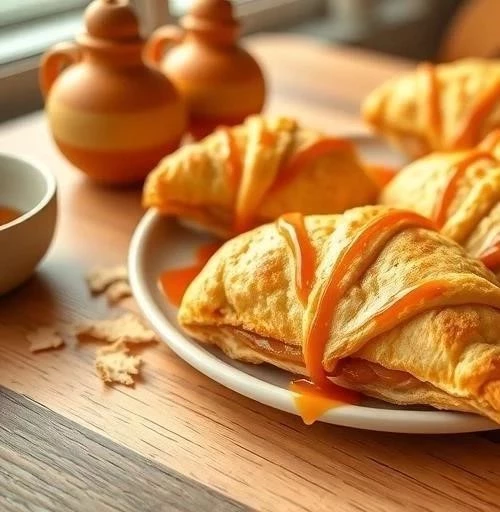
Choose the Right Puff Pastry for Homemade Baking: Compare Yeast and Yeast-Free Dough, Including Ready-Made Dough for Puff Pastries
Yeast-free dough wins: ready-made layers bake crisp; yeast dough rises softer still.
Prepare a Convincing Caramel Filling: Explain Why Butter, Sugar, Cream, and Vanilla Sugar Create a Delicate Center and Flavorful Caramel Sauce
Butter gives caramel a rounded, mellow richness, while sugar supplies its deep toasted sweetness. Stirring in cream softens the mixture into a smooth, delicate filling rather than a brittle candy; vanilla sugar adds fragrance that keeps the flavor balanced. Thus each ingredient has a distinct role: fat enriches, sugar caramelizes, cream tempers, and vanilla lifts. Let the caramel cool until thick, so it stays tender and flavorful inside each pastry.
Follow a Simple, Step-by-Step Recipe: Show How Making Caramel and Filling the Pastries Helps Prevent Leaks and Keep the Layers Light
Cool thick caramel, fill less, seal tight; this limits leaks and keeps layers light.
Bake for the Right Texture: Specify Oven Baking, Baking Temperature, Cooking Time, and Egg Wash to Achieve a Crispy Crust
For a crisp, evenly baked finish, preheat the oven to 400°F (200°C); steady heat helps the pastry layers expand before the surface sets. Bake for 18–22 minutes, checking near the end, because ovens vary and excess time can darken the crust. Brush the tops lightly with beaten egg just before baking: this promotes even browning and a glossy, crisp shell. Remove the pastries when deeply golden, since color is a more reliable cue than the timer.
Finish and Serve the Pastries: Add Powdered Sugar for Fragrant Baking and a Sweet Pastry for Tea Worth Enjoying as a Puff Pastry Dessert
Dust the cooled pastries with powdered sugar just before serving; it adds a delicate finish without masking the caramel’s aroma. Pair them with black tea or coffee, since a lightly bitter drink balances the dessert’s sweetness. This fragrant homemade treat is best enjoyed fresh, when the contrast of crisp pastry and soft center remains inviting. Serve on a small platter for an elegant, comforting puff-pastry dessert worth sharing for tea today.

6 Comments. Оставить новый
The baking guidance is especially helpful: a temperature and time range provide a starting point, while the reminder to look for a deep golden color accounts for differences between ovens.
The comparison of yeast and yeast-free pastry is useful because it sets clear expectations for the finished texture. I also appreciate the practical emphasis on cooling the caramel before filling, which should make the pastries easier to seal.
The serving suggestion is thoughtful because tea or coffee can balance the sweetness of caramel. The article gives useful advice from choosing the dough through finishing the pastries.
This recipe explains the purpose of the caramel ingredients rather than treating them as a simple list. That context helps home bakers understand how to adjust the filling while keeping it smooth and flavorful.
This is a clear, practical overview for making caramel-filled pastries at home. The notes on egg wash, cooling, and doneness make the recipe feel more dependable for bakers who are still learning.
I like that the instructions call attention to using less filling and sealing the edges well. Those small details can prevent leaks and help preserve the crisp layers that make puff pastry appealing.