
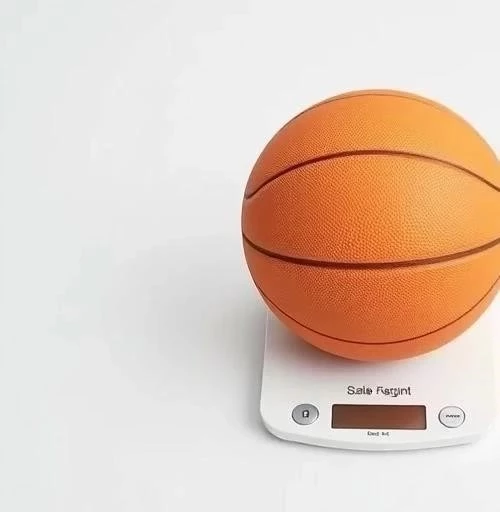
A regulation adult basketball usually weighs about 580–620 grams (1․28–1․37 pounds) when it is a size 7 ball․ The precise figure depends on the ball’s size and the rules it is made to meet․ Women’s and youth basketballs are smaller and lighter, so there is no single weight that applies to every basketball․
Official ball weights by size
International basketball rules specify a weight range rather than one exact number․ The following figures are commonly used for standard balls:
| Ball size | Typical use | Weight | Approximate circumference |
|---|---|---|---|
| Size 7 | Men’s adult basketball | 580–620 g (1․28–1․37 lb) | 750–770 mm (29․5–30․3 in) |
| Size 6 | Women’s adult basketball; many older youth groups | 510–550 g (1․12–1․21 lb) | 720–740 mm (28․3–29․1 in) |
| Size 5 | Children and junior play | 470–500 g (1․04–1․10 lb) | 690–710 mm (27․2–28․0 in) |
These ranges are useful general references, especially for balls made to international specifications․ A particular league or manufacturer may publish slightly different measurements․ For younger children, smaller sizes are also sold; their weight depends on the product and the governing competition’s rules․ Check the ball’s label or the relevant league regulations when an exact specification is needed․
Which basketball is used in men’s and women’s games?
In many adult men’s competitions, including play under FIBA rules, the standard ball is size 7․ Its permitted mass is 580–620 grams․ NBA regulation balls are also size 7 and are commonly described as weighing approximately 22 ounces, or about 624 grams․ The NBA’s specifications and testing are its own, so its stated figure should not be treated as identical to every international standard․
Adult women’s games commonly use a size 6 ball, with a permitted mass of 510–550 grams under international rules․ This ball has a smaller circumference and is lighter than a size 7․ The change is intended to provide a ball suited to the relevant playing category; it does not mean that every woman or man must use that size in casual play․ Youth leagues may assign ball sizes according to age, and their policies can differ by country or competition․
Why does the weight vary?
A regulation ball is not necessarily one exact mass․ Manufacturers produce balls within the allowed range, and small differences can result from materials, construction and manufacturing tolerances․ A synthetic indoor-outdoor ball, a rubber training ball and a leather competition ball can feel different even when they are the same official size․ Their surface texture and grip also affect how heavy they seem in the hand․
Inflation pressure affects bounce and handling much more noticeably than it affects the ball’s mass․ Air has mass, but the small difference associated with normal inflation changes is generally not a useful way to choose a basketball․ Use the pressure printed on the ball or recommended by its manufacturer rather than inflating it until it feels unusually hard․
Moisture and dirt can also influence a reading․ A wet ball may weigh more than a dry one, while mud or other material on its surface adds weight․ For a meaningful comparison, weigh clean, dry balls of the same size and measure them with the same scale․ A kitchen scale that reads in grams is usually sufficient for a casual check, although official certification requires appropriate testing․
Mass and “weight” in everyday language
People generally ask how much a basketball “weighs” and expect an answer in grams, kilograms, ounces or pounds․ In physics, these units describe mass; weight technically refers to the force of gravity acting on an object and is measured in newtons․ On Earth, everyday product specifications use “weight” for mass, so the figures in this article follow the familiar convention․ The ball’s mass remains essentially the same if it is carried elsewhere, while its gravitational force would vary with the local gravity․
How to choose the right weight
- For an adult men’s competition: look for a size 7 ball that meets the competition’s standard․
- For an adult women’s competition: check whether size 6 is required by the league․
- For a young player: follow the age and size guidance of the coach or league; size 5 is a common junior option․
- For practice or recreation: choose a comfortable size and a surface suitable for indoor or outdoor courts․
Using the correct size matters more than trying to find a ball at one precise point within its permitted weight range․ A ball that is too large or heavy can be harder to control, while one that is too small may not match competition conditions․ If you are buying for an organized team, confirm both size and weight requirements before purchasing․
In brief
A standard adult men’s size 7 basketball weighs approximately 580–620 grams․ A women’s size 6 ball generally weighs 510–550 grams, and a size 5 junior ball is typically around 470–500 grams․ Always check the exact rules for the league and the information printed by the manufacturer, because size, permitted weight and specifications can vary․
7 Comments. Оставить новый
The article appropriately notes that manufacturer and competition standards can differ.
The size-by-size comparison makes the weight ranges easy to follow, and the note about checking league specifications is useful.
This is a clear overview of how basketball weight varies by size and playing category.
The explanations of adult men’s and women’s ball sizes are concise and informative.
This summary is useful for understanding why there is no single weight that applies to every basketball.
The distinction between international and NBA specifications adds helpful context for readers comparing ball weights.
The table provides a convenient reference for common basketball sizes, uses, and measurements.