
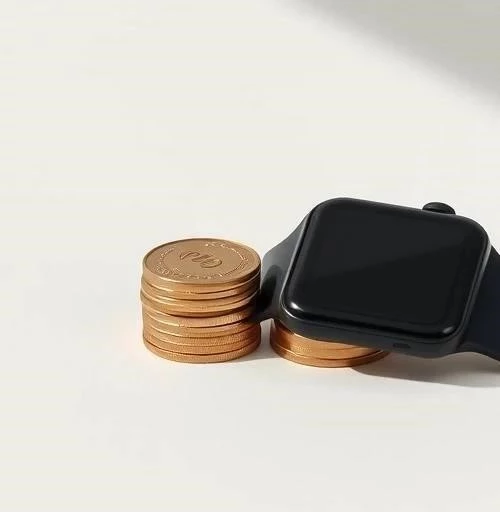
Short answer: Apple Watch Series 5 no longer has an official new-retail price. Apple discontinued the model in 2020, so in 2026 you will generally find it second-hand or as old, unused stock. The amount depends on size, finish, connectivity, battery health, condition, and seller. As a broad guide, expect a pre-owned unit to cost roughly $50–$150 USD; particularly clean examples or premium versions may be listed for more. Treat that as an estimate, not a live quote: local listings and actual sale prices can differ substantially.
Original price when it launched
The Series 5 debuted in 2019. At launch in the United States, the aluminum GPS model started at about $399 for the 40 mm size. The larger 44 mm GPS version started at about $429. Models with cellular connectivity cost more, with starting prices around $499 for 40 mm and $529 for 44 mm. These were Apple’s original suggested prices, not what a used watch should cost today;
Materials also made a major difference. Stainless-steel and titanium cases were priced above aluminum, while the ceramic edition sat at the luxury end of the range. Band choice, taxes, country, and retailer promotions could change the final bill. These launch figures are useful historical context, but they should not be confused with current resale value.
Typical second-hand price ranges
- About $50–$80: a visibly worn watch, a GPS-only aluminum model, or a device with a tired battery or limited accessories. Check carefully for faults before paying.
- About $80–$120: a common range to look for a working aluminum model in reasonable condition, with a charger and no major damage.
- About $120–$150 or more: a very clean unit, a cellular version, a less common case material, or a seller offering a return period or warranty. A high asking price does not guarantee that the watch is worth that amount.
These are practical comparison bands rather than a fixed market tariff. A seller may advertise above the amount they eventually accept, while a private sale can be cheaper but offer less protection. Compare several listings for the same case size, material, and connectivity, and focus on completed or realistic local offers where available.
What changes the price?
Condition and battery: scratches, a cracked screen, damaged sensors, or a battery that drains quickly should lower the price. Ask about battery performance and inspect the screen, buttons, Digital Crown, speaker, microphone, charging, and heart-rate readings in person if possible. A low purchase price can become poor value if repairs are needed.
GPS or cellular: cellular models may be more desirable, but cellular service usually requires a compatible carrier and an extra plan. Confirm that the watch is not locked to a previous owner’s account and that its cellular status suits your needs.
Case, size, and accessories: aluminum is the most common and generally least expensive option. Stainless steel, titanium, and ceramic may attract higher asking prices, though rarity does not automatically mean a good deal. A genuine charger and a suitable band add convenience, but expensive bands should not justify an unreasonable markup.
Country and seller: currency, import duties, taxes, shipping, and local supply affect the total. A shop may charge more than a private seller but could provide a return window or limited warranty. Read the terms rather than assuming that every “refurbished” listing has the same checks or coverage.
Is the Series 5 still worth buying?
It can make sense if you want basic Apple Watch functions at a low price and the particular unit is in good condition. Series 5 introduced an always-on display and includes everyday features such as activity tracking, notifications, heart-rate monitoring, and GPS. However, it is an older model. Software compatibility and access to newer features are more limited than on recent Apple Watch generations; Series 5 is not compatible with watchOS 11. Check the iPhone and software requirements for the features you plan to use before buying.
For many buyers, paying somewhat more for a newer used model is a better long-term choice. Compare the total cost—not just the sticker price—with newer watches that may offer longer software support, improved performance, and a healthier battery. If the Series 5 costs nearly as much as a newer alternative, the older watch is usually difficult to justify.
How to check a watch before paying
- Ask the seller to erase the watch and remove it from their Apple Account. Do not buy it if Activation Lock remains enabled.
- Pair it with your iPhone before handing over payment, if possible, and confirm that setup completes normally.
- Check the case size, model, GPS or cellular capability, screen, sensors, and charging. Ask for the battery condition and test real-world operation.
- Confirm what is included, whether a return is allowed, and whether any warranty is written and valid in your country.
Bottom line
The Apple Watch Series 5 originally started at about $399 in the United States, but that launch price is no longer a useful guide to what you should pay. In 2026, a reasonable second-hand reference is roughly $50–$150 USD, depending on condition and configuration. Prioritize a clean activation status, a dependable battery, and a fair comparison with newer models. Because prices vary by country and change from listing to listing, check current local offers before deciding.
8 Comments. Оставить новый
This gives buyers a sensible starting point for comparing listings, while making it clear that the figures are only estimates.
The breakdown by condition is straightforward and helpful. I’d still check the battery and activation status before buying.
Useful context for anyone shopping for an older Apple Watch. The launch-price section helps explain why different versions vary so much.
The price ranges are helpful, especially the reminder that battery health and condition can change what a used watch is worth.
Concise and informative, with a good reminder to compare local listings rather than treating one price range as universal.
Good to see the article mention connectivity, case material, and accessories as factors that affect resale value.
I appreciate the distinction between the original launch prices and today’s second-hand prices. That makes the information much easier to use.
A clear and practical overview. The warning that asking prices are not necessarily sale prices is particularly useful.