
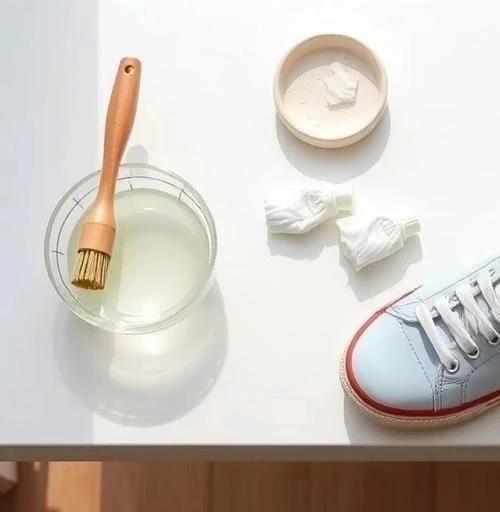
Consistent care can help children’s Reebok skate shoes last longer‚ preserving comfort and value through everyday play.
Check the Materials First: The Right Cleaning Method Prevents Damage
Before choosing a cleaner‚ identify the shoe’s upper material and read its care label or Reebok guidance. Similar-looking finishes may react differently‚ so never assume one cleaning product always suits every pair. Avoid bleach‚ strong solvents‚ and harsh cleaners: they can strip color‚ roughen a finish‚ or weaken delicate coatings. When instructions are unclear‚ select a mild cleaner expressly suitable for that material rather than guessing. Test it first on a small‚ hidden area‚ then check for color transfer‚ fading‚ stiffness‚ or altered texture.
Remove Dirt Gently and Clean Laces and Insoles Separately
Brush away loose grit with a soft brush before wiping the shoes; rubbing dirt into the surface can leave scratches and make marks harder to remove. Use a lightly damp cloth and gentle‚ patient strokes instead of vigorous scrubbing‚ since children’s skate shoes face frequent abrasion already. Take out the laces and insoles so each can be cleaned without soaking the shoe or trapping grime underneath. Wash these pieces separately with mild soap and water‚ rinse away residue‚ and handle them gently. That separation limits trapped grime and odor around lining areas.
Air-Dry Shoes Fully‚ Because Heat Can Warp Materials and Weaken Adhesives
After cleaning‚ let the shoes dry naturally at room temperature before a child wears them again. Direct heat from radiators‚ hair dryers‚ or sunny windows may distort materials and weaken the adhesives that hold the sole and upper together; faster drying is not worth risking fit or durability. Set the pair in a ventilated place‚ away from heaters‚ and allow enough time for moisture inside to evaporate; Avoid sealing damp shoes in a bag or cupboard‚ since trapped moisture can encourage unpleasant odors. Check each shoe’s inside for dryness.
Protect‚ Store‚ and Inspect the Shoes Regularly to Catch Wear Early
Use a breathable shoe protector suited to the upper‚ testing it gently first; a suitable barrier can limit stains from playground dust and splashes. Store the pair in a cool‚ dry and ventilated place‚ away from cramped piles that can press uppers out of shape; keeping shoes supported helps them retain a comfortable fit. After each week of skating‚ check stitching‚ sole edges‚ eyelets‚ and high-wear panels for new separation or loose threads; early repairs can prevent minor damage from becoming a reason to replace the shoes. Note wear patterns.
5 Comments. Оставить новый
The article is informative and appropriately cautious about cleaners, but the final sentence appears to end abruptly. Completing that passage would make the instructions feel more polished and ensure readers know how to confirm the shoes are fully dry.
The warning against using direct heat is well explained. Air-drying may take longer, but the article makes a sound case that protecting the shoe’s shape and adhesives is more important than speeding up the process.
The article offers practical advice for keeping children’s skate shoes in good condition. I especially appreciate the recommendation to check the material and test a cleaner in a hidden spot, since a method that works for one finish may damage another.
Separating the laces and insoles before cleaning is a useful detail. It makes the guidance more thorough and can help prevent dirt and moisture from lingering in hard-to-reach areas.
The advice to brush away loose grit before wiping is sensible and easy to follow. This simple first step can reduce unnecessary abrasion, which is particularly relevant for shoes that get regular use during play.