
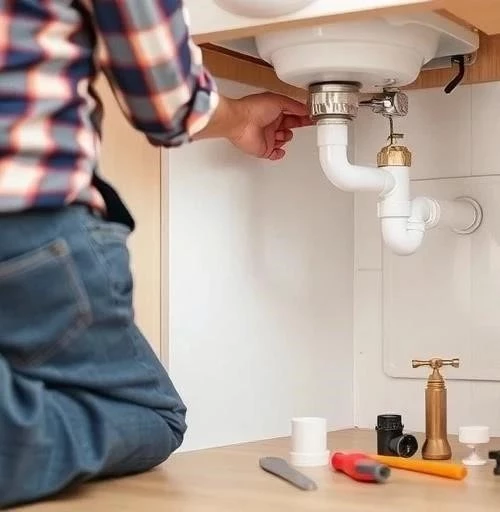
A modest budget need not mean a makeshift water system. Think of your plumbing as a small river: plan its route before buying a single pipe, and you’ll avoid costly detours. A DIY water supply begins with a clear drawing, not a cart full of fittings.
Plan first, purchase second
For a private house or a country cottage, mark the water source, pump, heater, taps and appliances on a water-supply diagram. Keep pipe runs short and group wet rooms together. This simple pipe layout reduces joints, labor and the chance of leaks. Measure each route, then calculate material quantities, adding a small reserve rather than ordering twice.
Compare pipe prices by checking the full kit: connectors, valves and tools can change the real cost. Buy standard sizes and ask local suppliers about wholesale purchasing or leftover stock. A low-cost plumbing system is not necessarily the one with the cheapest pipe; it is the one that avoids waste.
Choose materials with a cool head
Water-supply pipes must suit the pressure, temperature and installation method. Polypropylene pipes are often affordable and durable, but require a fusion tool and careful joints. Multilayer metal-plastic pipes can be convenient for bends and repairs, though fittings may cost more. Compare the options for your particular route before making a choice. Borrowing or renting installation tools can save money on a one-off job.
Install carefully, not hurriedly
Follow the project in stages: shut off and drain the old line, prepare the route, install the main feed, make branches, secure pipes, then test every connection before closing walls. If a pump station is needed, follow its manufacturer’s instructions and provide accessible shutoff valves. For a house water supply, protect pipes in cold areas with suitable insulation. Never bury an untested joint behind a finished surface.
DIY installation can cut labor costs, but safety matters: use approved components, observe local codes, and call a qualified plumber for work you cannot verify. Independent fixture installation is a sensible saving only when connections are made correctly. After startup, inspect joints for leaks; early leak detection is cheaper than repairing floors and walls.
Spend where it counts
Write a plumbing estimate before shopping: list pipes, fittings, valves, insulation, delivery and tool rental. The final water-supply cost also includes the time needed for plumbing work and testing. Save by choosing a compact layout, reusing sound accessible fixtures, and doing simple tasks yourself—not by skipping shutoff valves or buying questionable materials. A budget bathroom repair follows the same rule: fix the cause, not just the stain.
The best low-cost water system is quiet, accessible and easy to repair. Plan the route, compare prices, measure twice, and let every saved fitting be a small victory.

6 Comments. Оставить новый
I appreciate the practical balance: saving on labor is worthwhile, but rushing a hidden joint is a gamble with a very wet ending. Testing before closing the walls is advice worth pinning above the toolbox.
The comparison between polypropylene and multilayer pipe is refreshingly grounded in the real costs of tools and fittings. Borrowing equipment for a one-time job is the kind of clever detail that makes a budget stretch.
The river metaphor makes planning feel less like paperwork and more like drawing a map before setting sail. Short pipe runs and grouped wet rooms are small choices that can save a surprising amount of money.
“Measure twice, buy once” gets a fresh life here. The advice to sketch every route first could spare a DIYer from collecting enough spare connectors to start a small hardware museum.
A useful reminder that the cheapest pipe can turn into the most expensive project once fittings and tools join the bill. I’ll be comparing the whole plumbing basket, not just the price tag.
This turns plumbing into a sequence of manageable decisions rather than one intimidating renovation. The strongest takeaway for me: make the system accessible, protect it from cold, and never let a finished wall hide an untested connection.