
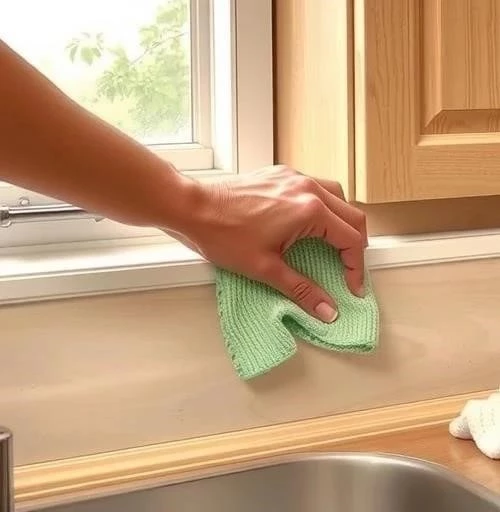
An MDF kitchen plinth gives a neat finish, but moisture and daily spills can damage it if left unattended․ Even a moisture-resistant skirting board needs sensible care: its coating helps protect the MDF surface, yet exposed edges and joints may still absorb water․ Consistent moisture protection is therefore more reliable than waiting for visible damage․
Everyday cleaning and stain removal
For routine kitchen cleaning, wipe the plinth with a soft cloth that is only slightly damp, then dry it․ Avoid soaking the surface, spraying water directly onto it, or leaving wet cloths against it․ Prompt stain removal matters: wipe grease stains with a mild cleaning product diluted as directed, and test it first in an inconspicuous spot․ Abrasive powders, scouring pads, and strong solvents can scratch or dull a protective coating․ Gentle damp cleaning removes most dirt without undermining the finish․
Protect edges and joints
Pay particular attention to the area beside the kitchen backsplash, sink, dishwasher, and floor, where splashes are common․ Check joints periodically․ Sealing joints with suitable silicone sealant helps block water, but sealant must be intact and compatible with the surface․ If the plinth is damaged, repair the coating promptly; a laminated plinth also depends on sealed edges to keep moisture from reaching its core․
Preventing long-term damage
- Keep the room ventilated․ Good kitchen ventilation reduces high humidity and discourages mold and mildew․
- Dry spills quickly, especially near the floor, and do not direct steam or hot water at the plinth․
- Follow the manufacturer’s operating rules․ Use water-resistant impregnation only if it is approved for that product․
These habits are practical damage prevention, not unnecessary fuss․ Persistent dampness can cause material swelling, peeling, or discolored edges, and such damage is often difficult to reverse․ If swelling or a musty smell appears, find the leak or condensation source, dry the area, and replace badly affected parts rather than covering the symptoms․
Installation and regular checks
Care begins before the first wipe․ Correct installation of a plinth in the kitchen should leave no unprotected cut edges or gaps where water can collect․ Inspect the coating and seals during ordinary furniture care, especially after plumbing work or a leak․ A well-fitted plinth, sound protective coating, prompt cleaning, and steady ventilation together keep an MDF finish presentable for longer․ The goal is not to keep the kitchen perfectly dry, but to prevent moisture from lingering on vulnerable surfaces․


9 Comments. Оставить новый
The distinction between a resistant surface and vulnerable edges is important. It explains why damaged coatings and unsealed joints should be repaired promptly instead of left until swelling appears.
This advice is clear and appropriately cautious about sealants and impregnation products. Following the manufacturer’s guidance matters because not every treatment is compatible with every plinth.
The warning about swelling and musty smells gives readers useful signs to watch for. Finding the source of persistent moisture is more effective than repeatedly cleaning the affected area.
This is a practical explanation of why gentle cleaning is preferable to abrasive products. Avoiding scouring pads and strong solvents helps preserve the finish that protects the board.
The suggestions are sensible for a busy kitchen. Paying extra attention near sinks and dishwashers makes sense because those areas are more likely to experience repeated splashes.
The advice to dry the plinth after damp cleaning is especially useful. A protective coating can reduce exposure, but water left around seams and edges may still reach the MDF over time.
I appreciate the emphasis on checking joints rather than assuming that a moisture-resistant plinth is waterproof. Regular inspection can reveal a failing seal before water causes more serious damage.
The article correctly treats ventilation as part of moisture prevention. Reducing humidity can help limit condensation and musty odors, rather than merely addressing water after it has collected.
Testing a mild cleaner in an inconspicuous spot is a helpful precaution. Even products intended for household cleaning may affect some coatings, so checking first can prevent visible damage.