
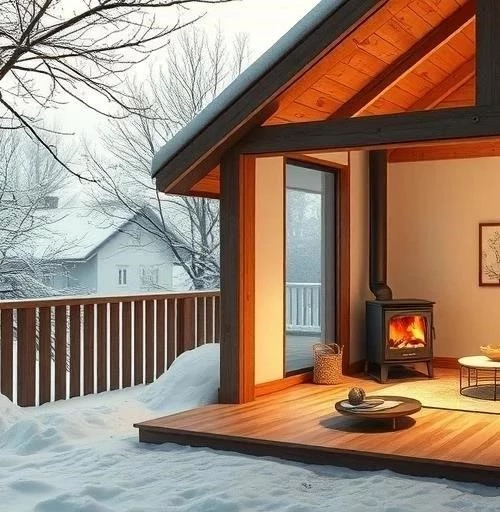
Choosing heating for a country home is a long-term investment, not simply a decision about which boiler to buy․ The right system must keep rooms comfortable in the local climate, suit the available energy supply, and remain affordable to run․ Start with an assessment of heat loss, insulation and household hot-water demand; only then compare equipment and installation costs․
Match the system to the property
A gas boiler is often a practical choice where a reliable mains connection exists․ Gas heating can be economical, but the connection, permits and flue requirements may make it unsuitable for a remote plot․ A gas holder provides an alternative where there is no mains gas, although fuel delivery and tank installation add expense․
Where gas is unavailable, an electric boiler is compact, quiet and easy to automate․ However, electricity prices and the capacity of the local grid matter: a system that is simple to install may be costly to operate in a poorly insulated cottage․ A heat pump can reduce energy use, particularly in a well-insulated house with low-temperature emitters, but its initial cost and performance in severe cold must be considered․
A solid-fuel boiler may suit owners who can store and regularly load fuel․ Wood heating can be affordable when firewood is locally available; pellet heating offers more automation, but depends on pellet supply and storage․ A diesel boiler is another option for a property without gas, though fuel costs, tank space and servicing make it less attractive for many households․
Design for comfort and efficiency
Water-based heating distributes heat through radiators or underfloor heating․ Radiators respond relatively quickly and are easy to control room by room․ Underfloor heating provides even warmth and works especially well with a heat pump, but responds more slowly and needs careful floor design․ Electric heating can be useful in small, occasionally occupied spaces; using it as the sole heat source in a large cottage requires a realistic running-cost calculation․
A sound heating layout includes correctly sized heating pipes, a circulation pump where required, and an expansion tank to manage changes in water volume․ The chosen heat-transfer fluid must be compatible with the boiler and system materials․ A combi boiler supplies domestic hot water directly, while a separate indirect water-heating tank can better serve a larger household or several simultaneous taps․
Calculate before you install
Boiler capacity should follow a room-by-room heat-loss calculation, not a rule of thumb based only on floor area․ Oversizing can increase cycling and cost; undersizing can leave rooms cold during peak winter weather․ A professionally prepared heating scheme should also account for insulation, ventilation, pipe routes, controls and future maintenance․ Improving the cottage’s insulation often lowers both equipment requirements and lifetime bills, making efficiency a design decision rather than an optional upgrade․
Finally, compare total ownership costs: equipment, installation, fuel, servicing and replacement․ A boiler room in a private house may be necessary for some appliances and must meet safety and ventilation rules․ Professional installation and commissioning are essential, especially for gas and solid-fuel equipment․ The best autonomous heating system is therefore not one universal technology, but the option that fits the building, energy supply and owner’s routine․
Requested search terms
отопление загородного дома; система отопления коттеджа; автономное отопление; газовый котёл; электрический котёл; твердотопливный котёл; дизельный котёл; тепловой насос; водяное отопление; электрическое отопление; радиаторы отопления; тёплый пол; отопительные трубы; циркуляционный насос; расширительный бак; теплоноситель; бойлер косвенного нагрева; двухконтурный котёл; отопление на газе; отопление электричеством; отопление дровами; отопление пеллетами; магистральный газ; газгольдер; отопление без газа; котельная в частном доме; монтаж системы отопления; схема отопления дома; расчёт мощности котла; теплопотери дома; энергоэффективное отопление; утепление коттеджа; стоимость отопления; выбор отопительного оборудования․
4 Comments. Оставить новый
I appreciate that the article treats installation and running costs as separate considerations. A system that is inexpensive to install may still be costly over time, especially in a poorly insulated home or where energy prices are high.
The article makes a sound case for assessing a home’s heat loss and hot-water needs before choosing equipment. That approach helps readers compare systems based on the demands of their property rather than focusing only on the purchase price.
The discussion of radiators and underfloor heating adds helpful context to the equipment comparison. Explaining that each option has different response times and design requirements encourages readers to consider comfort and operation, not just the heat source.
The comparison of gas, electric, heat-pump and fuel-based systems is useful because it highlights practical constraints such as grid capacity, fuel storage and delivery. These details make the advice more relevant to rural homeowners.