
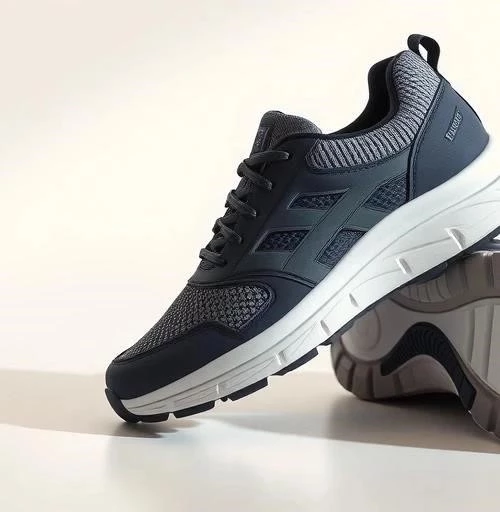
A long walk can be a pleasure or a test of endurance, depending on what is on your feet. The right sneakers should feel comfortable from the first steps, support a natural stride, and soften repeated impact without feeling unstable. Cushioning matters, but it is only one part of the decision: fit, upper materials, grip, weight, and the shape of your foot all influence how a shoe performs over several miles.
There is no single best pair for everyone. A soft, thick sole may suit one walker, while another may prefer a firmer, more responsive feel. Use this guide to understand what to look for, compare common features, and make a choice that works for your routes and everyday routine.
What makes a sneaker comfortable for extended walking?
Walking involves thousands of repeated steps. A comfortable shoe helps manage that repetition by cushioning the landing, holding the foot securely, and allowing it to move without rubbing or crowding. The best design balances softness with stability: a sole that feels pleasant in the shop may still be tiring if it compresses too much or makes your foot work harder to stay steady.
- Responsive cushioning: The midsole should soften impact while returning enough energy for a smooth step. It should not feel as though your foot sinks deeply into it.
- A stable base: A reasonably broad, secure platform can help you feel balanced, especially on uneven pavements. Stability should come from the overall design and fit, not from a shoe that pinches or forces your foot into an unnatural position.
- A comfortable fit: Your toes need room to spread, while the heel should stay in place. A good fit prevents sliding, pressure points, and blisters.
- Breathable materials: Mesh or other ventilated uppers can help reduce heat during long outings. Weather-resistant materials may be more suitable in rain or cold, although they can feel warmer.
- Dependable outsole grip: The tread should suit the surfaces you walk on, from smooth indoor floors to wet sidewalks or packed paths.
Choosing the right kind of cushioning
“More cushioning” does not automatically mean “more comfortable.” A thick, soft midsole can feel luxurious at first, but some walkers find a very plush shoe less predictable. A firmer foam may feel more controlled and can work well for people who prefer a stable platform. If possible, try several levels of softness and walk around in each pair rather than judging by touch alone.
Pay attention to how the shoe feels during the whole step. Does your heel land comfortably? Can you roll forward without effort? Does the sole feel balanced when you turn? A shoe that absorbs impact but feels awkward at push-off may not be the right match for a day of sightseeing or commuting. Cushioning should complement your stride, not dictate it.
Fit: the most important test
Try sneakers later in the day, when feet may be slightly larger than in the morning. Wear the socks you expect to use for walking, and check both feet, since they may differ in length or width. Leave a little space in front of the longest toe, but avoid so much extra room that the foot slides forward. The heel should feel secure without being squeezed, and the midfoot should feel held rather than cramped.
If you have wide feet, look for a model offered in a wider fit or with a less tapered toe box. Do not assume that a larger size will solve a width problem: it may create heel movement or cause the foot to slide. A removable insole can be useful if you use prescribed orthotics, but check that taking it out does not make the shoe unstable or too shallow.
Walk for several minutes in the shop or at home, if the seller’s return policy allows it. Notice any rubbing, pressure, numbness, or heel slipping. Sneakers should feel comfortable immediately; do not rely on a painful break-in period to fix a poor fit. If discomfort persists or you have a foot condition, ask a qualified healthcare professional for advice.
Features to consider for your routine
For city streets and everyday errands
Choose a versatile sneaker with moderate, responsive cushioning, a secure heel, and an outsole suited to pavement. A breathable upper is useful for warm weather and busy days. Neutral colors and simple styling can make a walking shoe easier to wear with everyday clothes, but appearance should not override comfort.
For travel and all-day sightseeing
Prioritize a dependable fit, low weight, and cushioning that remains comfortable after many hours. A padded tongue and collar can improve comfort, provided they do not create pressure. Consider how easily the shoes can be cleaned and whether the sole grips well on the surfaces you expect to encounter. Test them on a shorter walk before taking them on a trip.
For parks and mixed paths
If your route includes gravel, dirt, or uneven ground, look for a more protective outsole with suitable tread and a stable platform. A very soft road-running sole may feel less secure on loose surfaces. You do not necessarily need a heavy trail shoe for a maintained park path; match the shoe to the actual terrain.
For warm or changeable weather
Airy uppers can help with ventilation, while water-resistant construction may be preferable in damp conditions. No design is ideal in every climate: a highly breathable mesh shoe may let in rain, and a more protective upper may retain heat. Choose according to the weather you encounter most often and the socks you wear.
How to compare models and brands
Brand names alone cannot tell you whether a pair will work for your feet. Popular sports and lifestyle labels, including Nike, adidas, New Balance, and PUMA, offer many different designs, and cushioning or fit can vary from model to model. Compare the actual shoe rather than assuming that every product from one brand feels alike.
When shopping online, read the description for intended use, upper construction, sole type, and available widths. Check recent buyer comments for recurring notes about sizing, toe-box shape, or firmness, while remembering that individual experiences vary. Retailers such as Ozon, Lamoda, Street Beat, Wildberries, Sportmaster, and Yandex Market list different selections; stock, prices, delivery, and return terms can change. Verify seller details and the current product information before ordering.
If buying online, measure both feet and use the specific brand’s size guide rather than relying only on your usual number. Check the return policy before removing tags or wearing the shoes outdoors. When comparing prices, consider the return options and product authenticity as well as the discount.
A simple try-on checklist
- Try the pair on with your usual walking socks and stand up before judging the fit.
- Check that your toes can move and that the widest part of your foot is not compressed.
- Walk at a natural pace, then turn and change direction. The heel should remain secure.
- Notice whether the cushioning feels supportive and balanced, not merely soft.
- Check for seams, edges, or overlays that rub against your foot.
- Compare both shoes, and do not ignore discomfort on one side.
Making your sneakers last
Rotate pairs if you walk frequently, and let shoes air out between outings. Clean the upper according to the manufacturer’s instructions; harsh washing or high heat can damage materials and adhesives. Check the outsole and midsole regularly. Flattened tread, uneven wear, a persistent loss of cushioning, or new discomfort can indicate that the shoes are no longer serving you well. Replacement timing depends on use, body weight, terrain, and construction, so judge by condition and comfort rather than a universal mileage figure.
The bottom line
The most comfortable cushioned sneakers for long walks are the ones that fit your feet, feel stable in motion, and match your routes. Look for cushioning that absorbs impact without feeling overly soft, a secure heel, enough room at the toes, breathable or weather-appropriate materials, and suitable traction. Try multiple models whenever possible, and give a new pair a short test walk before relying on it for a full day. Comfort is personal: the right choice is the pair that lets you keep walking without pressure, rubbing, or fatigue becoming the focus.
2 Comments. Оставить новый
Helpful advice for comparing walking sneakers without assuming one style works for everyone. The points about toe room, heel security, and choosing grip for your usual routes are particularly useful.
A practical, well-balanced guide. I especially appreciate the reminder that cushioning is only one part of comfort and that fit and stability matter just as much on longer walks.