
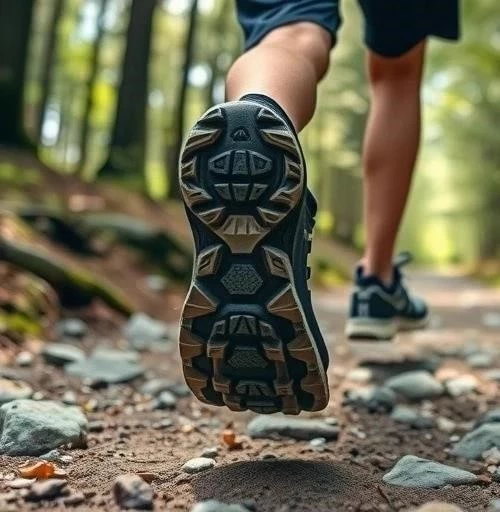
A trail can change its mind every few metres. Dirt becomes gravel‚ gravel turns slick‚ and a friendly-looking hill suddenly asks for careful footwork. The right shoe helps a teenager meet those surprises with confidence—not by doing the running for them‚ but by providing a comfortable platform‚ dependable grip and a fit that feels right. Hoka’s trail range is known for cushioned designs‚ but choosing a pair for a teen takes more than picking the brightest colour or the biggest stack of foam.
This guide explains what to look for‚ how to compare Hoka trail-shoe families‚ and how to fit a growing foot. Models‚ names‚ youth sizing and features can change between seasons and countries‚ so treat family names below as a starting point and confirm the current specifications with Hoka or a trusted retailer.
First‚ match the shoe to the adventure
“Trail running” might mean a groomed park path‚ a rocky weekend hike‚ school cross-country‚ or a muddy loop behind the house. Those outings make different demands. Before shopping‚ ask where the shoes will go most often‚ how long the teen will wear them‚ and whether they expect to run‚ hike‚ or switch between both. A shoe for smooth paths can feel nimble and light; a shoe for rough‚ wet ground needs a more protective feel and outsole traction that suits the terrain.
- Park paths and packed dirt: Prioritise a comfortable fit‚ flexible feel and versatile grip. An aggressive lug pattern may be unnecessary if most miles are on smooth ground.
- Rocky or uneven routes: Look for a secure hold around the heel and midfoot‚ a stable-feeling platform and protection underfoot. Try the shoe on; “more protective” should not mean painfully stiff.
- Mud and wet trails: Deeper‚ well-spaced lugs can help shed soft ground‚ but no outsole guarantees traction on every surface. Wet roots and smooth rocks remain slippery.
- Mixed running and hiking: A versatile trail model may be the practical choice. Consider comfort during slower walking as well as during a jog.
What Hoka’s design can—and cannot—do
Many Hoka shoes are recognised for substantial cushioning and a pronounced rocker-shaped sole. Cushioning can make long outings feel more comfortable to some runners‚ while a rocker may encourage a smooth roll through a stride. Neither feature automatically makes a shoe faster‚ safer‚ or suitable for every foot. A teen who prefers to feel the ground may find a highly cushioned design unfamiliar; another may love the softer landing. Let the wearer decide after trying it on and walking or jogging a little.
Trail models typically add an outsole designed for off-road grip and an upper intended to handle trail use. The details differ by model and version. Check the shoe’s current product information for outsole material‚ lug depth‚ water resistance‚ protective elements and intended terrain. Water-resistant or waterproof construction can keep some moisture out‚ but may also feel warmer and does not make a shoe impervious to water entering over the collar.
Understanding the model families
Hoka’s trail line changes over time‚ and not every adult model is offered in teen or children’s sizes. Names such as Speedgoat‚ Challenger‚ Torrent and Mafate have appeared in Hoka’s trail-running range; their exact versions and availability vary. Use the names as clues‚ not promises about a particular season’s shoe. A retailer may carry an older version‚ a new revision‚ or no youth sizes at all.
- Speedgoat family: Often associated with technical trail running and confident traction. Check the specific version’s fit‚ weight and outsole rather than assuming every generation feels the same.
- Challenger family: Commonly positioned as a versatile option for routes that move between road and trail. It may suit mixed surfaces‚ depending on the exact model and the teen’s needs.
- Torrent family: A trail-oriented name to investigate if a lighter‚ more agile feel is appealing. Confirm current availability and compare its cushioning and protection with other options.
- Mafate family: Associated with rugged trail use in some Hoka lineups. Check whether the version on offer is appropriate for the teen’s terrain‚ experience and preferred ride.
These are not rankings. A premium-looking model is not automatically a better choice‚ and the shoe with the most dramatic sole may be a poor match for a beginner who mainly runs on flat paths. Compare the actual pair in front of you—not just the logo or family name.
Adult shoe or youth shoe?
Teenagers do not all fit the same category. Some wear youth sizes; others need adult sizing‚ and some have feet that are wide‚ narrow‚ high-volume or still changing. Do not assume that an adult shoe in a smaller size is interchangeable with a youth version. Construction‚ proportions‚ available widths and size conversions may differ. Check the brand’s current size chart and the retailer’s return policy‚ particularly when ordering online.
Measure both feet while standing‚ preferably later in the day when feet may be slightly larger. Use the larger foot to guide the size choice. There should be comfortable space in front of the longest toe—enough for natural movement on descents‚ but not so much that the foot slides around. The heel should feel secure without rubbing‚ and the laces should hold the midfoot without pressure or tingling.
A fitting test that takes five minutes
- Try shoes on with the socks the teen expects to wear on the trail.
- Stand up and check toe room on both feet. Do not judge fit while sitting down.
- Walk briskly‚ jog in place and‚ if possible‚ walk down a gentle incline. Notice whether toes hit the front.
- Check for heel lift‚ pinching across the forefoot‚ pressure over the top of the foot‚ or rubbing at the ankle.
- Ask the teen to describe the sensation in their own words. “It looks cool” is useful‚ but “my little toe feels squeezed” is more useful.
Try a different size or shape if discomfort persists. Do not count on a shoe stretching dramatically to fix a poor fit. If one foot is much larger‚ or if the teen has recurring pain‚ ask a knowledgeable footwear fitter or healthcare professional for advice rather than sizing by guesswork.
Growing feet‚ budgets and timing
Buying a large size “to grow into” can make a shoe unstable now. Extra room is sensible; a foot sliding forward on a descent is not. Check fit regularly during a growth spurt and before an important race or trip. There is no universal schedule: some teens outgrow shoes quickly‚ others do not. Retire a pair when it no longer fits‚ the upper is failing‚ or the outsole has worn enough to compromise grip.
Hoka shoes can be a significant purchase‚ so look beyond the newest colourway. A previous-season model may offer good value if it is the right size and still suits the planned terrain. Confirm that the shoe is new‚ check the seller’s return terms‚ and be wary of listings that do not clearly identify the model or version. A discount is only a bargain if the shoe fits and serves its purpose.
Break them in—and take care of them
For the first outing‚ choose a familiar‚ short route rather than a remote all-day adventure. New shoes should not need a heroic break-in period‚ but a brief test helps reveal hotspots‚ loose lacing or an unexpected feel. If anything hurts‚ stop and inspect the fit‚ socks and lacing. Pain is information‚ not a challenge to overcome.
After muddy runs‚ brush off loose dirt and let shoes air-dry away from direct heat. Avoid putting them on a radiator or using a hot dryer‚ which can damage materials. Remove insoles if the manufacturer’s care guidance allows it. Keep an eye on the tread and upper‚ especially if the shoes are used on pavement as well as trails; regular road miles can wear trail lugs faster.
Common shopping traps
- Choosing by cushion alone: Comfort depends on fit‚ terrain and personal preference‚ not just how soft the midsole feels in a shop.
- Assuming “trail” means waterproof: Many trail shoes are not waterproof. Read the product description and think about climate‚ puddles and drying time.
- Ignoring surface mix: Deep lugs can feel awkward on pavement‚ while a road-focused outsole may not be ideal in loose mud.
- Buying from a size label only: Sizing can vary between models and versions. Try the pair whenever possible.
- Letting the adult make every choice: The teen is the one whose feet will spend hours in the shoes. Comfort and confidence count.
The short version
Start with the route‚ then find a Hoka model currently available in the right size and designed for that kind of terrain. Compare fit‚ traction‚ cushioning‚ protection and weight; verify the specific version’s features instead of relying on a family name. Have the teen test the shoes standing‚ walking and jogging‚ and keep the receipt until they have tried a short outing. The best trail shoe is not the one with the loudest reputation. It is the one that lets a young runner notice the trail ahead—not their toes‚ their heel‚ or a hotspot quietly filing a complaint.
2 Comments. Оставить новый
The growing-foot perspective gives this advice a welcome human scale. A teenager’s shoe choice is not just about conquering trails; it is about finding a fit that can keep up with changing feet, changing routes, and the occasional muddy detour.
I like that this guide treats terrain as the real decision-maker, rather than letting a shoe’s boldest feature do the talking. Its reminder that wet roots stay slippery is especially useful: good gear supports judgment, but it never replaces it.