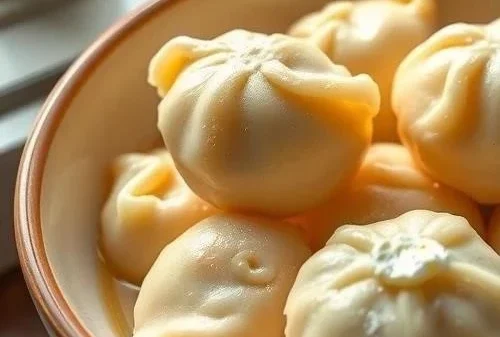
Baursaki are golden, airy pastries served across Central Asia. Their flavor and texture depend on more than the cooking method: fresh ingredients, suitable proportions and well-prepared dough all matter. When choosing ingredients for baursaki, start with the recipe you plan to make, then check the quality and freshness of each product.
Flour, yeast and leavening
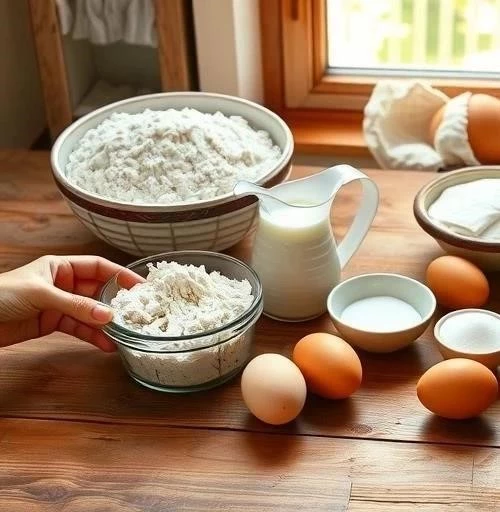
Use good-quality wheat flour with a pleasant, neutral smell. Flour that is too weak may produce sticky dough and flat pastries; very strong flour can make them chewy. Sift it before mixing to remove lumps and help incorporate air. Add flour gradually, since its absorbency varies by brand and storage conditions.
For a classic yeast dough, choose fresh yeast that is moist and pleasantly yeasty, without dark spots or a sour odor. Dry yeast is a convenient alternative; check its expiry date and follow the packet directions. Keep yeast away from hot liquid, which can stop it working. If you prefer a quicker version, use a non-yeast dough, often made with kefir and a raising agent. It will have a different texture from the traditional dough.
Dairy, eggs and fat
Kefir gives the dough a gentle tang and helps make baursaki tender. Its fat content affects richness, so use the same type consistently when following a recipe. Milk makes a milder dough and should be fresh, not close to its use-by date. Bring dairy ingredients to room temperature before mixing; very cold products slow yeast, while hot ones can damage it.
Choose clean, fresh eggs with intact shells. They add color and richness, but too many can make the crumb firm. Softened butter contributes flavor; neutral vegetable oil can keep the dough supple. Measure both carefully: changing the proportions of ingredients may alter how much flour the dough needs.
Sweetness, seasoning and frying oil
Sugar feeds yeast and gives the pastries a lightly sweet taste. Too much can brown baursaki quickly before the centers cook. Salt sharpens the flavor and balances sweetness, but should not be poured directly onto yeast. For deep-frying, choose fresh vegetable oil with a high smoke point. Use enough for the pieces to float, and maintain steady heat so they cook evenly rather than absorbing excess oil.
Make the choice that suits your recipe
For fluffy baursaki, measure carefully, use fresh products and allow yeast dough to rise until visibly puffy. Follow the recipe’s proportions rather than adding flour all at once. In Kazakh cuisine, family recipes differ: some favor milk and yeast, others kefir or unleavened dough. Good ingredient selection is the foundation of successful homemade baking—and careful deep-frying completes it.
Keyword guide: баурсаки; ингредиенты для баурсаков; рецепт баурсаков; тесто для баурсаков; пшеничная мука; качество муки; свежие дрожжи; сухие дрожжи; кефир; молоко; яйца; сливочное масло; растительное масло; сахар; соль; пропорции ингредиентов; жирность кефира; температура продуктов; дрожжевое тесто; бездрожжевое тесто; казахская кухня; жарка во фритюре; выбор продуктов; домашняя выпечка; пышные баурсаки.