
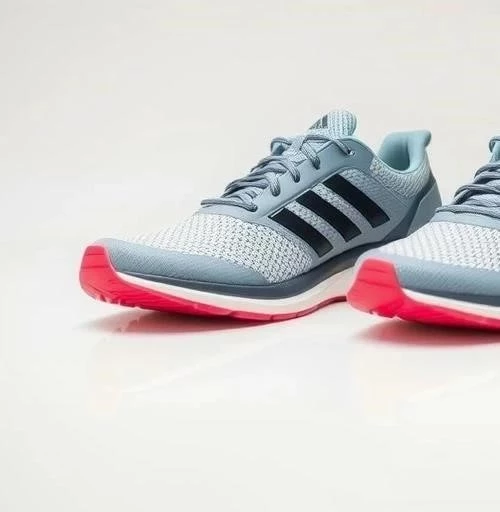
Choosing Adidas shoes for a marathon is not simply a matter of buying the lightest or most expensive pair. A shoe must remain comfortable after hours of impact, suit your running style, and work with the pace you can realistically sustain. Adidas offers everything from plush daily trainers to carbon-plated racing models, but no single pair is ideal for every runner. The best choice depends on whether you value cushioning, stability, speed, or versatility most.
What matters over 42.2 kilometres
For marathon training and race day, look beyond the shoe’s headline technology. Prioritise a secure heel, enough room for toes to spread, a comfortable upper, and cushioning that still feels good late in a long run. Fit is especially important: feet can swell during prolonged exercise, so a shoe that feels snug in a brief fitting may become uncomfortable at race distance. Try it on with your usual running socks, preferably later in the day, and test it at your intended pace.
Adidas models commonly use responsive foam, and some racing shoes add a stiff plate to support faster running. These features can feel lively and efficient, but they do not automatically make a runner faster. A firm, aggressive design may be less comfortable for someone who prefers a softer ride, while a tall, highly cushioned shoe can feel unstable to a runner who needs a more grounded platform. Comfort and control should outweigh marketing language.
Adizero Adios Pro: for race-day performance
The Adizero Adios Pro line is Adidas’s most race-focused option. Its light construction, energetic foam, and rigid elements are intended to help maintain speed and reduce the sensation of effort at a strong pace. For an experienced runner targeting a personal best, this type of shoe can be an appealing tool, particularly if its geometry feels natural during faster sessions.
There are trade-offs. A premium racing shoe is usually expensive, may feel less forgiving during easy training, and can demand more from the calves and ankles than a conventional trainer. It is not a shortcut to marathon fitness. Test the exact model during tempo runs and at least one longer workout before race day. If it causes discomfort, instability, or unusual soreness, choose a more familiar shoe instead.
Adizero Boston: a versatile training partner
The Boston range is often positioned between daily trainer and racer. Depending on the version, it may combine substantial cushioning with a firmer, more propulsive feel. That balance can make it suitable for marathon-pace sessions, progression runs, and some long workouts. Runners who want a shoe that feels quicker than a basic trainer, but do not want to use a delicate race-day model every day, may find this category practical.
However, “versatile” does not mean universally comfortable. Some runners find a firmer platform tiring on recovery days, and the shoe’s feel can change between editions. Check the fit and ride of the specific version rather than relying on the name alone. If your priority is softness for slow mileage, a dedicated cushioned trainer may be a better match.
Supernova and Adizero SL: everyday mileage
Supernova models are generally aimed at comfortable everyday running. They can be a sensible choice for beginners and runners who want a dependable shoe for easy miles, short runs, and much of their training. Their more conventional feel may be easier to adapt to than an aggressive plated racer. The Adizero SL range offers another option for regular training, often with a lighter, more energetic character.
Neither category should be selected by reputation alone. Cushioning preference, foot shape, and stability needs vary widely. A beginner preparing for a first marathon may benefit more from a comfortable daily trainer than from a specialist racer, because most training kilometres are not run at race pace. If the shoe feels good on an easy run and remains secure as the distance increases, that is meaningful evidence in its favour.
Ultraboost: comfort first, with a caveat
Ultraboost models are known for a cushioned, comfortable ride and can work well for casual running or easy sessions for some runners. They may appeal to people who also want a shoe for walking and everyday wear. For marathon preparation, though, comfort in a shop is not enough: consider the shoe’s weight, fit under fatigue, and responsiveness at your planned pace. A heavier or softer-feeling model may be less appealing for fast workouts or racing, even if it feels pleasant at first.
How to choose and test your pair
- Match the shoe to the job. Decide whether you need a daily trainer, a faster workout shoe, or a race-day option. One pair can serve several roles, but a specialist model may not suit every run.
- Check fit while moving. Look for a secure midfoot and heel without pressure, rubbing, or numbness. Leave adequate space at the front; do not assume your usual size will fit every Adidas model.
- Test progressively. Start with a short run, then use the shoe for a longer session and, if appropriate, a marathon-pace workout. Do not debut it on race day.
- Notice the aftermath. Persistent hotspots, blisters, unusual joint pain, or excessive calf fatigue are reasons to reconsider the model or fit.
Verdict
Adidas has credible options across the marathon spectrum: Adios Pro for runners seeking a dedicated racing shoe, Boston for a quicker training feel, and Supernova or Adizero SL for everyday mileage. Ultraboost may suit runners prioritising comfort, though it is not automatically the best choice for racing. The strongest recommendation is therefore not a single model but a method: choose for your pace and preferences, test the exact pair over realistic distances, and trust sustained comfort over hype. A well-fitted, familiar shoe is a better marathon partner than an advanced shoe that does not suit your stride.
4 Comments. Оставить новый
I appreciate that the article treats plated racing shoes as tools rather than guaranteed shortcuts. Runners should consider whether the shoe feels stable and comfortable at their own pace before investing in a premium model.
The emphasis on fit over marketing claims is useful. A shoe that feels fast in a short test may not remain comfortable after several hours, so trying it on during a longer run seems like sensible advice.
This is a balanced introduction to choosing marathon shoes because it acknowledges that cushioning and responsiveness are personal preferences. I would also compare a candidate shoe during long runs, not just faster workouts, before relying on it for race day.
The point about foot swelling during a marathon is easy to overlook, yet it can make a major difference to race-day comfort. Testing shoes with regular running socks and later in the day is practical advice.