
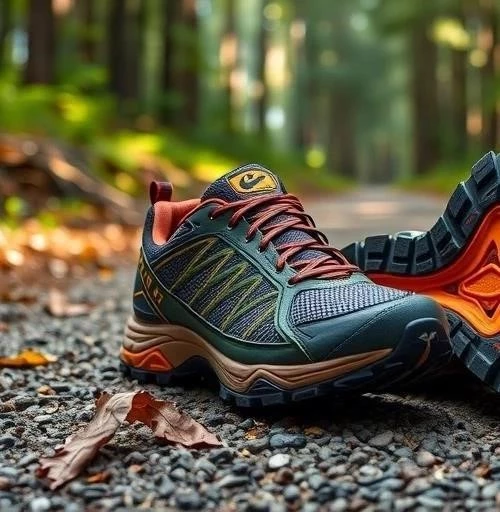
The short answer: the best New Balance trail shoe for a marathon is the one that matches the course beneath your feet—not the one with the most dramatic tread or the softest-sounding name. A muddy‚ rocky mountain route asks for grip and protection. A hard-packed‚ mostly dry trail rewards a lighter‚ smoother ride. And if your “trail marathon” is actually miles of pavement with a few dirt paths sprinkled in‚ a road shoe may be the smarter companion.
Think of shoe choice as a conversation between the course and your legs. The course speaks in gravel‚ roots‚ mud and cambered turns. Your shoes answer with traction‚ cushioning‚ stability and fit. New Balance’s trail range offers different ways to answer; the trick is not asking one shoe to solve every problem.
First‚ define the marathon
“Trail marathon” can describe two very different adventures. One might be a firm‚ rolling route with wide dirt roads and short paved connections. Another might be a long‚ technical journey through rocks‚ steep descents and wet ground. Both measure 26.2 miles‚ but they place very different demands on footwear.
Start with the race organizer’s course description‚ elevation profile and recent runner reports. Look for the proportion of pavement‚ the surface underfoot‚ likely weather and the amount of climbing. A shoe that feels wonderfully secure on a rocky descent may feel cumbersome on miles of smooth road; a sleek road shoe may feel exposed when the trail turns loose and slippery.
New Balance options: think in families‚ not magic models
For long days on mixed or rugged trails
The Fresh Foam X Hierro family is the natural place to begin if you want a cushioned New Balance trail shoe for extended off-road running. Its appeal is a protective‚ comfortable feel for runners who value a little more underfoot shelter than a minimal trail shoe provides. Depending on the generation‚ details such as outsole compound‚ upper construction and ride can change‚ so check the exact version rather than assuming that every Hierro behaves identically;
That cushioning can be a friend late in a marathon‚ when tired legs are less enthusiastic about every rock. But “more cushioning” is not automatically “better.” A taller or softer platform may feel less nimble to a runner who wants precise ground feedback‚ especially on narrow‚ uneven turns. Try it on terrain resembling your race‚ not only on a smooth shop floor.
For faster‚ more runnable courses
If the route is mostly firm dirt‚ packed gravel or gentle forest road‚ look for a lighter‚ more agile option in New Balance’s trail lineup. A shoe with a less bulky feel can make it easier to settle into marathon rhythm and change pace. The trade-off is that a streamlined design may provide less protection or feel less planted on rough ground.
New Balance’s trail offerings and specifications can change between seasons and markets. Rather than choosing by a model name alone‚ compare the current shoe’s outsole‚ midsole feel‚ upper security and weight with the actual demands of your event. Treat the product label as the beginning of your research‚ not the finish line.
For a road-heavy “trail” marathon
When the course is mostly pavement or smooth‚ dry path‚ a road-running shoe can be the better tool—even if the event has “trail” in its name. Road shoes are generally designed for consistent contact with firm surfaces‚ while aggressive trail lugs can feel awkward or wear faster on long paved stretches. If you need extra grip for a short dirt section‚ choose a versatile shoe with moderate traction rather than bringing mountain-bike tread to a city sidewalk.
The four things that matter most
- Grip: Lugs should suit the surface. Deeper‚ more pronounced tread can help on soft or loose ground; a less aggressive pattern may roll more naturally on firm trails. Mud‚ wet rock and smooth hardpack are not the same problem‚ so no tread pattern is perfect everywhere.
- Cushioning: A marathon is a long negotiation with fatigue. Choose a ride that remains comfortable after hours‚ not just for a quick test run. Softness can feel welcoming‚ but stability and control matter when the ground tilts or breaks up.
- Fit: Your foot may swell during a long race. There should be room for the toes to spread without the heel slipping or the midfoot sliding around. On descents‚ a secure fit helps prevent your toes from repeatedly meeting the front of the shoe.
- Protection and flexibility: Rock protection can reduce the sting of sharp ground‚ while a flexible shoe may feel more natural on smooth paths. Match the balance to the terrain and to your own preference; neither maximum armor nor maximum flexibility is universally best.
So‚ which one should you choose?
- Choose a cushioned trail option such as a Hierro-family model if your marathon is long‚ mostly off-road and includes enough uneven ground that comfort and protection matter more than a quick‚ road-like feel.
- Choose a lighter‚ more agile trail shoe if the course is firm and runnable‚ you prefer a closer connection to the ground‚ and your training confirms that the fit stays secure over distance.
- Choose a road shoe if pavement dominates and the off-road sections are smooth and predictable. A trail badge is not a requirement for running on dirt.
- Keep looking if the shoe slips at the heel‚ pinches your toes‚ feels unstable on your usual trails or becomes uncomfortable well before marathon distance. A famous model cannot negotiate with your feet.
There is no single New Balance trail shoe that wins every marathon. For a rugged course‚ a well-fitting‚ protective trail model—often starting with the Hierro family—is a sensible first candidate. For a fast‚ smooth course‚ a lighter trail design or even a road shoe may be better. The surface decides the category; your feet decide the fit.
Test the shoe before race day
Do not make your first serious outing a 26.2-mile experiment. Give a candidate shoe several training runs‚ including one long run on terrain similar to the race. Add hills if the course has hills‚ and test the socks and lacing you plan to wear. Notice whether your heel lifts‚ your toes hit the front on descents‚ or the outsole feels unreliable on wet ground.
Afterward‚ inspect your feet as carefully as the shoes. Hot spots‚ blisters‚ pressure on the toenails or numbness are useful information‚ not a challenge to be ignored. Adjust lacing or sock choice‚ then test again. If discomfort persists‚ try another fit or model. A marathon magnifies small annoyances with the patience of a very persistent editor.
Also consider the race conditions. A shoe that grips dry gravel beautifully may not inspire confidence in deep mud. If the event is known for changing weather‚ review the course rules and prepare for the likely surface rather than choosing solely for the forecast on shopping day. Do not assume that a waterproof upper is always an upgrade: in warm weather‚ breathability may be more valuable‚ and water can still enter over the collar.
A simple decision test
Ask yourself three questions. First: how much of the course is genuinely rough or slippery? Second: do I feel better in a protective‚ cushioned ride or in a lighter‚ more direct one? Third: have I already run long enough in this exact shoe to trust it? If you cannot answer the third question with a confident yes‚ the shoe is not yet a race-day choice.
For an unfamiliar trail marathon‚ prioritize a comfortable fit‚ dependable grip for the expected conditions and enough protection for the roughest regular sections. Do not buy extra aggressiveness “just in case” if most of the route is firm; equally‚ do not let a smooth test run persuade you that a road outsole is ready for slippery roots. Specificity beats spectacle.
The verdict
For a genuinely rugged New Balance trail marathon‚ begin by trying a cushioned option from the Fresh Foam X Hierro family‚ then judge the exact version on your terrain. It may suit runners seeking comfort and protection over a long off-road effort. For a mostly smooth‚ quick course‚ compare it with lighter trail shoes—and consider a road shoe if pavement is the main event. The “best” shoe is not the one with the toughest-looking lugs. It is the one that keeps its grip‚ stays comfortable and lets you reach the finish without spending the final miles thinking about your feet.
In other words: let the course choose the shoe’s job‚ let your training choose the model‚ and let race day be about the trail—not about a surprise conversation between your toes and a badly chosen pair.
2 Comments. Оставить новый
A marathon shoe recommendation should begin with the ground, not the marketing halo, and this article gets that exactly right. Its most useful insight is that 26.2 miles can describe two entirely different footwear problems. The Hierro guidance gives readers a sensible starting point without pretending that cushioning or a trail label can replace knowing the course.
This reads like a trail map for the decision-making part of your brain: first mark the mud, rocks, and pavement, then choose your shoes. The “conversation between the course and your legs” is a vivid way to explain why no single model can conquer every surface. I especially appreciate the reminder to check the exact shoe generation—today’s familiar name can hide tomorrow’s different ride.