
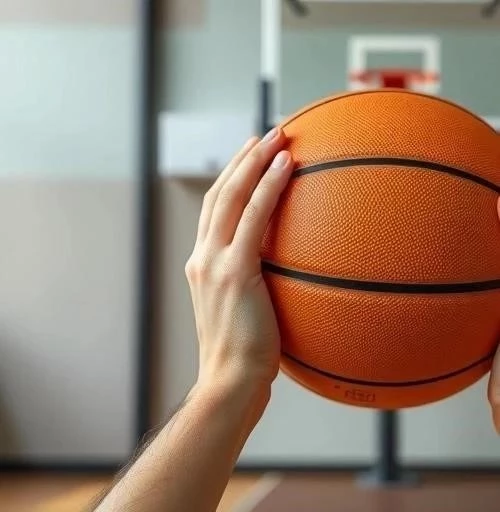
A good basketball is not simply the most expensive one or the brand used by professionals․ It is the ball that suits the player‚ the court and the amount of use it will receive․ Choosing carefully matters: the wrong size can make learning skills harder‚ while the wrong cover can wear out quickly or provide unreliable grip․ Consider size and playing surface first; then compare materials‚ construction and price․
Choose the right size
Size affects handling‚ shooting and confidence‚ especially for younger players․ Common guidelines are size 7 for men‚ size 6 for women and older girls‚ and size 5 for children․ Age cut-offs can vary by league‚ so check the rules for the player’s team before buying․ A ball that is too large or heavy is difficult to control; choosing one that fits the player’s hands makes practice more productive․
Match the ball to the court
- Indoor: For a wooden gym floor‚ choose a ball marked indoor‚ usually with a composite cover or‚ in premium models‚ genuine leather․ These materials tend to feel softer and provide good grip on a clean court․ They wear faster on rough outdoor surfaces‚ so using them on asphalt can be a false economy;
- Outdoor: For asphalt or concrete‚ a durable rubber cover is generally the practical choice․ It resists abrasion better than indoor materials‚ although the feel may be firmer․ If the court is especially rough‚ prioritise an explicit outdoor rating and durability over a soft‚ premium feel․
- Indoor/outdoor: A dual-use label is useful for players who switch courts․ It does not mean the ball performs equally well everywhere: frequent play on abrasive pavement can still wear it down sooner than a dedicated outdoor model․
Check feel and construction
Grip should feel secure without being sticky or uncomfortable․ If possible‚ handle the ball: the channels should feel consistent‚ and the surface should not be slippery․ Inspect it for a round shape‚ an even cover and neat seams‚ with no visible lumps‚ gaps or loose areas․ These checks cannot guarantee long life‚ but obvious defects are a reason to choose another ball․
Ask whether the ball holds air and rebounds consistently․ Inflate it to the pressure printed near the valve‚ rather than judging an underinflated ball․ A simple check is to drop it from about 1․8 metres; a properly inflated basketball should rebound to roughly 1․2–1․4 metres‚ though the exact result depends on the ball and floor․ Use this as a rough comparison‚ not a substitute for the manufacturer’s guidance․
Balance price with use
For casual play‚ a reputable rubber or dual-use model may be better value than an expensive indoor ball․ Regular gym players can justify a higher-quality composite or leather cover‚ provided it is reserved for indoor courts․ Before paying extra‚ compare the listed size‚ intended surface‚ material and warranty—not just the logo․
Finally‚ maintain the ball: keep it at the recommended pressure‚ wipe away dirt and store it dry‚ away from extreme heat․ In short‚ choose the correct size‚ match the cover to the court‚ and inspect the feel and finish․ A suitable ball will be easier to control‚ last longer under its intended conditions and make practice more enjoyable․
9 Comments. Оставить новый
This is a helpful overview for anyone comparing basketballs. The emphasis on handling and court conditions gives readers sensible priorities before they focus on price or brand.
The suggestions to inspect the seams, shape and surface are practical because labels alone cannot tell the whole story. A quick hands-on check can reveal issues before purchase.
The article balances comfort and durability without suggesting that one material is best for everyone. That makes its recommendations useful for players with different budgets and routines.
This guide makes the decision less confusing by organizing it around size, playing surface and feel. Those factors are more meaningful than choosing a ball based only on its branding.
The explanation of ball size and control is especially useful for parents. A ball that fits a young player can make practice more comfortable and help build confidence.
The distinction between indoor and outdoor materials is clearly explained. In particular, pointing out that pavement can wear down a softer indoor ball makes the guidance more realistic.
I appreciate the reminder to check league rules before buying. Size recommendations are useful, but confirming the team’s requirements can prevent an otherwise avoidable mistake.
It is good that the article treats indoor/outdoor labels with some caution. A dual-use ball may be convenient, but readers should still consider how often they play on rough surfaces.
The advice to choose a ball based on the player and court is practical. It helps readers avoid paying for features that do not suit how or where they play.