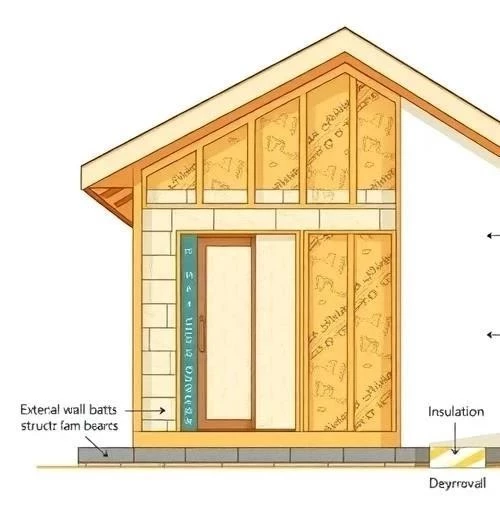
Choosing insulation is part of planning both a comfortable building and its final appearance․ The right home insulation can reduce heat loss, improve home energy efficiency and help protect the structure․ Start by assessing the walls, climate, moisture conditions, budget and planned home finishing․ There is no single best option for every project․
Compare materials and properties
Thermal insulation materials differ in thermal conductivity, vapor permeability, fire performance, weight and installation requirements․ Mineral wool, including basalt wool, is commonly used for wall insulation and facade insulation․ It is non-combustible and allows vapor to pass through, but needs protection from moisture․ Polystyrene is lightweight and often economical; extruded polystyrene resists water and suits foundations and other damp areas․ Cellulose is made from recycled fiber, while polyurethane foam can form a continuous layer when professionally applied․
Plan the insulation system
Insulation choice should account for the whole wall assembly, not just the product․ Exterior insulation usually keeps the wall warmer and reduces thermal bridges․ Interior insulation may be practical where changing the facade is not possible, but it can shift the dew point into the wall․ A specialist should assess condensation risk and specify any vapor barrier, waterproofing and moisture protection․ In a ventilated facade, the cavity must be designed to drain and release moisture․
Insulation thickness depends on local climate, wall construction and energy targets․ Avoid choosing it by thickness alone: correct installation, sealed joints and details around windows matter․ Poorly fitted boards or gaps can create thermal bridges and reduce performance․ Follow the manufacturer’s instructions and protect materials from rain during insulation installation․
Match insulation to the building
Timber house insulation needs a moisture-aware assembly that lets the structure dry․ Brick house insulation may be installed outside or inside, depending on the facade and wall condition․ Frame house insulation should fill cavities evenly, with carefully detailed air and vapor control layers․ In every case, plan ventilation for the rooms as well as the facade system; airtight upgrades should not block fresh-air supply․
Budget and durability
Compare total insulation cost, including labor, fasteners, membranes, finishing and future maintenance․ A lower purchase price may not mean lower lifetime cost․ Consider fire safety, exposure to water, compatibility with cladding and expected insulation durability․ Before work begins, check the wall condition and repair leaks or damaged finishes․ A well-designed system combines suitable materials, sound detailing and professional installation․