
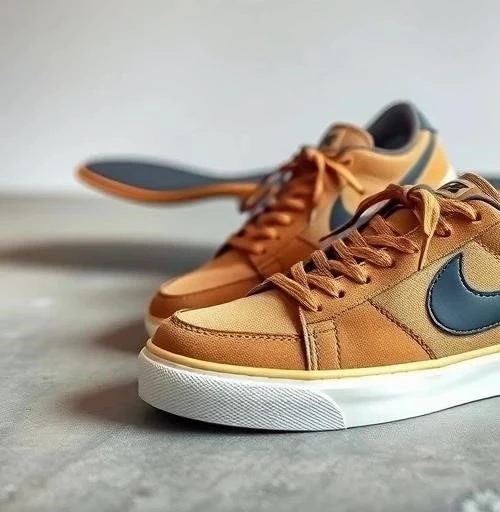
Skate shoes are not merely sneakers that happen to stand near a skateboard. They are the small‚ hardworking interface between your feet and a piece of wood with wheels: part grip‚ part shock absorber‚ part armor‚ and part personal style. Nike’s skate line offers several ways to build that relationship‚ from low-profile shoes for board feel to padded models designed to soften hard landings. The right pair depends less on a logo or a colorway than on how you skate‚ how your feet are shaped‚ and what you expect the shoes to survive.
Think of choosing a pair as setting up a board for your feet. You would not pick trucks by admiring their paint alone; you would consider turning‚ stability‚ and the way you ride. Use the same practical curiosity here. This guide will help you compare Nike skate shoes‚ understand the details that matter‚ and avoid buying a shoe that looks ready for a stair set but feels wrong before you reach the curb.
Start with the skate you actually do
Before comparing models‚ picture an ordinary session—not your most ambitious future session. Do you spend hours practicing ollies and flip tricks on rough concrete? Cruise around town‚ skate ledges‚ or make short visits to a local park? Spend more time walking than skating? Your routine affects what “good” means.
- For technical street skating: Look for a secure fit‚ dependable grip‚ and a sole that lets you feel the board. A relatively low-profile shoe can make flicks and foot placement feel more direct.
- For bigger drops and repeated hard landings: Prioritize impact protection‚ cushioning‚ and a stable heel. Extra padding may feel reassuring‚ though it can make the shoe bulkier;
- For all-day wear and mixed use: Consider comfort while walking‚ breathable materials‚ and a fit that does not become irritating after a few hours.
- For beginners: Favor comfort‚ durability‚ and a secure fit over a specialized “pro” feature. A shoe that lets you practice consistently is more useful than one chosen for an advanced trick you have not tried yet.
These are starting points‚ not laws. A street skater may love a cushioned shoe‚ and a park regular may prefer a simple‚ flexible one. Your feet get the final vote.
Learn the Nike skate family without getting lost in names
Nike’s skateboarding shoes are commonly found under the Nike SB label. Within that family‚ designs can feel very different: some take their cues from classic basketball or tennis silhouettes‚ while others are built specifically around skate demands. Popular lines and versions may include the Dunk Low or High‚ the Chron 2‚ the Force 58‚ and other SB models. Names alone do not tell you how a particular release will fit or feel. Construction can change between models‚ versions‚ and materials‚ so treat each pair as its own candidate rather than assuming every shoe in a family behaves identically.
Some models have a more padded‚ protective feel; others are lower and more flexible. A cupsole construction often feels structured underfoot‚ while a vulcanized construction may feel more flexible and board-connected. These descriptions are useful shorthand‚ not a guarantee: cushioning‚ stiffness‚ and break-in vary. If possible‚ try on the exact model. If shopping online‚ check the product’s construction details and read reviews from skaters whose fit preferences resemble yours.
Fit first: the best shoe is the one your foot can forget
A skate shoe should hold your foot in place without squeezing it into a new shape. When you try a pair on‚ wear the socks you usually skate in and lace the shoes as you would for a session. Stand‚ walk‚ bend your knees‚ and mimic the way your foot rolls when you push.
- Check the toes: Your toes should have room to spread slightly‚ but your foot should not slide forward when you stop. A little space at the front is normal; a loose‚ swimming sensation is not.
- Check the width: The sides should feel comfortably close‚ not painfully tight. A shoe that pinches across the forefoot may become miserable during a long session.
- Check the heel: The heel should feel secure. Some movement can happen in a new shoe‚ but obvious slipping may cause rubbing and reduce confidence.
- Check the arch and instep: Pressure in these areas can become more noticeable once you start skating. Do not assume that a painful hot spot will magically disappear.
- Compare both feet: Many people have one foot slightly larger. Fit the larger foot‚ and do not let the smaller one trick you into choosing a pair that crowds the other.
Do not buy a painful pair on the theory that skate shoes “have to hurt until they break in.” Some materials soften‚ and the feel can change with use‚ but a fundamentally wrong width or length is unlikely to transform into a perfect fit. If you use custom insoles or orthotics‚ test the shoes with them; the original insole may be removable‚ but that does not guarantee a replacement will fit neatly.
Board feel versus cushioning: choose your preferred conversation
Board feel is the information your feet receive through the sole: the board’s angle‚ the pressure under your toes‚ and the tiny corrections that keep a trick on course. A thinner‚ more flexible sole can make that conversation feel immediate. A thicker or more cushioned sole may soften impacts and feel more comfortable on rough ground‚ but it can create a little distance between foot and deck.
There is no universal winner. If you are learning flip tricks‚ a responsive feel might help you understand where your foot is. If your sessions involve repeated drops or your feet feel beat up after skating‚ more cushioning may be worth the trade-off. Try standing on a board if you can. Notice whether the sole feels pleasantly supportive or so thick that you lose the sense of the deck. Then walk around: a shoe can feel excellent on a board and awkward on the way to the spot.
Grip is a partnership between sole and skateboard
The outsole is the shoe’s handshake with griptape. Tread pattern‚ rubber compound‚ surface area‚ and the condition of both shoe and board all affect how that handshake feels. A fresh‚ sticky sole can offer confident contact; a worn sole may lose traction‚ while very aggressive grip can also wear through the shoe’s upper faster when you flick tricks.
Do not judge grip by looking at the tread alone. A clever pattern cannot compensate for a rubber compound that feels wrong to you‚ and griptape condition matters too. Dust‚ water‚ and worn grip can change the experience. If you can‚ test a new pair on a clean board before deciding it lacks traction. Give your body a few minutes to adjust‚ but stop if your feet slide in a way that feels unsafe.
Durability: find out where your shoes are likely to surrender
Skateboarding is a wonderfully efficient shoe-destruction program. The front foot may grind against the grip when you flick; the toe can scrape on concrete; the sole flexes and twists. Different skaters wear through different areas‚ so inspect your old shoes before buying new ones. The damage map is a personal shopping guide: a hole in the ollie area suggests you may value reinforced or more durable material there‚ while a worn outsole points toward the sole construction as a priority.
Many Nike skate shoes use suede or leather in high-contact areas‚ while some models include textile panels or synthetic materials. Suede is often appreciated for its skate-friendly feel and can hold up well‚ but no material is indestructible. Canvas and mesh may feel lighter or more breathable‚ yet can be vulnerable where board contact is frequent. Check whether the toe area has reinforcement‚ how the panels are joined‚ and whether stitching sits where your board is likely to abrade it.
Ask a practical question: “Where will this shoe fail first for me?” That is more useful than asking whether it is simply “durable;” A reinforced toe will not save an outsole that is worn smooth‚ and a sturdy upper cannot protect a foot from a fit that causes blisters. Some skaters use shoe-goo or similar repair products to extend a pair’s life. Repairs can help‚ but they are not a substitute for choosing the right construction or replacing shoes that no longer feel safe.
Height‚ padding‚ and support: comfort without costume drama
Low-top shoes generally allow more ankle movement and can feel light and unrestrictive. Mid- or high-top designs add material around the ankle and may feel more secure to some skaters. They do not automatically prevent ankle injuries‚ and the best height is largely a matter of comfort and preference. If a high collar rubs your ankle or limits movement‚ its extra coverage is not an advantage. If you like the feel of a more enclosed shoe‚ try it with the socks you normally wear.
Padding around the tongue and collar can reduce lace pressure and make a shoe feel snug. Too much padding‚ however‚ can create heat or bulk. Pay attention to the heel counter as well: it should hold the back of your foot comfortably without digging in. “Support” is not one feature; it is the overall combination of fit‚ shape‚ stiffness‚ cushioning‚ and how your foot moves inside the shoe.
Breathability‚ weather‚ and the long walk home
Ventilation matters if your feet run hot or your sessions are long. Mesh panels and lighter fabrics may breathe better‚ but can be less resistant to abrasion or wet conditions. Suede and leather can feel more substantial‚ though they may become warm. For damp weather‚ remember that most skate shoes are not waterproof unless specifically described as such. Wet suede‚ soaked socks‚ and slick soles are a miserable trio—and wet griptape can be unpredictable.
Consider the whole day‚ not just the first ten minutes at the spot. If you walk to school‚ work‚ or transit in the same shoes‚ comfort on pavement matters. A highly specialized‚ stiff shoe may be excellent for a short session and annoying for a long commute. There is no shame in choosing a versatile pair; your shoes do not need to prove anything to the sidewalk.
Style and color: let taste choose between good options
Colorways are part of the fun. Nike SB releases often borrow from sportswear‚ music‚ art‚ and skate culture‚ and limited editions can attract attention. But a rare color cannot improve fit‚ grip‚ or durability. First narrow the choice to shoes that work for your feet and skating. Then choose the color that makes you happy to lace them up.
Think about maintenance‚ too. Pale suede can show dirt quickly; dark colors may disguise scuffs but can still fade or wear. A bright pair can be a beacon in a gray skatepark‚ while a simple black or neutral colorway may go with everything. Buy the shoe you want to wear‚ not the one you think an imaginary panel of skaters would approve.
A quick fitting routine in the shop
- Try both shoes‚ with your usual skate socks.
- Lace them firmly but not so tightly that the tongue presses into your foot.
- Walk for several minutes and check for pinching‚ rubbing‚ or heel slip.
- Bend‚ crouch‚ and shift your weight as if setting up for a trick.
- Compare the two feet‚ then try a second model or size rather than settling too quickly.
- If available‚ stand on a skateboard and notice the balance of board feel and cushioning.
When buying online‚ verify the retailer’s return policy before ordering. Use the size chart as a reference‚ not a promise‚ and look for model-specific fit notes. Reviews are most helpful when they mention foot width‚ the size the reviewer normally wears‚ and whether the shoe felt narrow or roomy. A comment such as “runs small” is less useful without context: small for which foot‚ in which version‚ and compared with what?
Common buying mistakes to avoid
- Choosing only by your regular Nike size: Sizing can vary by model and foot shape. Try on the specific shoe or check reliable model-specific guidance.
- Buying too tight for “better board feel”: A close fit is helpful; numb toes are not. Control comes from a secure shoe‚ not from squeezing your foot.
- Assuming expensive means indestructible: Materials‚ construction‚ fit‚ and your skating style all matter. Even premium shoes are consumables.
- Confusing cushioning with injury protection: Cushioning can improve comfort‚ but it cannot guarantee protection from hard landings or poor technique;
- Ignoring your old shoes: Their wear patterns tell you more about your needs than a marketing description does.
- Buying a model because a pro wears it: The skater may have different feet‚ preferences‚ and sponsorship needs. Your own comfort is better evidence.
Make the final choice with a simple scorecard
Give each candidate a quick rating from one to five for fit‚ grip‚ board feel‚ impact comfort‚ durability features‚ and walking comfort. Weight the categories that matter most to you. A street skater might give board feel and flick durability extra importance; someone skating rough parks could place more weight on cushioning and secure heel fit. If one shoe scores highly on every feature except comfort‚ it is not your shoe. Comfort is not a bonus feature—it is the foundation that lets the others matter.
Also consider value over time. A less expensive pair that fits beautifully and lasts through your typical sessions may be a smarter buy than a fashionable release that wears out quickly or stays in the closet. Prices and availability change‚ especially for special colorways‚ so compare the current product details and shop with a return policy you understand.
The right answer is the shoe that disappears
The best Nike skate shoe is not necessarily the newest‚ thickest‚ rarest‚ or most talked-about. It is the pair that holds your foot comfortably‚ gives you the board feel you want‚ and stands up to the way you skate. Start with your real routine. Inspect where your old shoes wore out. Compare sole feel‚ materials‚ padding‚ and fit. Then choose a design you genuinely like looking down at.
When the choice is right‚ you stop thinking about the shoe. Your feet can focus on the board‚ the pavement‚ and the next attempt. That is the quiet magic of good skate footwear: not a promise that every trick will land‚ but one less distraction between the idea and the rolling.
6 Comments. Оставить новый
The “setup for your feet” comparison is a clever way to make shoe details feel practical. It nudges readers to think like skaters choosing gear, not shoppers chasing a colorway.
I like that this guide starts with the skater’s real routine rather than the shoe’s marketing pitch. It treats comfort and board feel as personal choices, not a one-size-fits-all verdict.
This makes the trade-off between cushioning and board feel easy to picture: a little more armor can mean a little less connection. That kind of clear framing is more helpful than a pile of product jargon.
The beginner advice lands especially well. A comfortable, dependable shoe sounds less glamorous than a pro model, but it is the kind of choice that keeps practice going when the pavement gets stubborn.
I enjoyed the guide’s grounded tone. Instead of promising a magic shoe, it gives readers a simple way to weigh grip, protection, and daily comfort—three details that can make a session feel entirely different.
A useful reminder that the shoe built for a dramatic stair set may be the wrong companion for an ordinary afternoon. I appreciate the focus on the sessions people actually skate.