
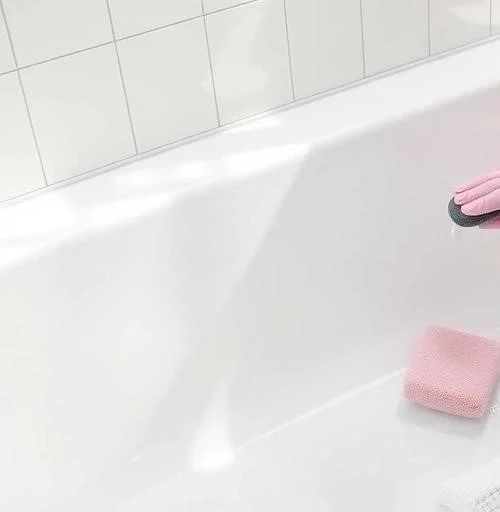
Acrylic bathtubs are smooth, lightweight and relatively easy to maintain, but their surfaces can be scratched or dulled by abrasive cleaners and rough tools. Regular, gentle cleaning is usually enough to remove soap residue, body oils and light water marks. Before using any product, check the bathtub manufacturer’s care instructions, as recommendations can vary by finish.
What you will need
- A soft microfiber cloth or non-abrasive sponge
- Warm water and a small amount of mild dish soap or liquid bathroom cleaner labeled safe for acrylic
- A clean, soft towel for drying
- Optional: a specialized acrylic-bath cleaner for more persistent deposits
Routine cleaning
- Rinse the tub with warm water to loosen surface dirt and wash away loose particles.
- Apply diluted mild soap or an acrylic-safe cleaner to the surface. Follow the product label for the correct amount and contact time.
- Wipe gently with a soft cloth or sponge, using light pressure. Work across the bottom, sides, corners and around the drain and fittings.
- Rinse thoroughly so that no cleaner or loosened residue remains.
- Dry the tub with a soft towel. This helps reduce water spots and soap film, particularly in areas with hard water.
For routine care, clean the bathtub after use or at least once a week, depending on how often it is used. Frequent light cleaning is generally easier on the surface than occasional vigorous scrubbing.
Removing common marks
Soap film and everyday grime: Use warm water and mild soap, or an acrylic-safe bathroom cleaner. Let the cleaner sit only for the time stated on its label, then wipe gently and rinse. If a mark remains, repeat the process rather than increasing pressure;
Hard-water deposits: Choose a product specifically marked safe for acrylic and suitable for limescale. Test it on a small, inconspicuous area first, follow the instructions and rinse well. Do not assume that a cleaner safe for ceramic or glass is also suitable for acrylic.
Yellowing or rusty-looking stains: First consider whether the discoloration is on the surface or within the material. Try an acrylic-approved cleaner and a soft cloth. Persistent staining may require advice from the bathtub manufacturer or a qualified repair professional; aggressive scrubbing can make the finish more noticeable or cause permanent damage.
Small scuffs: Clean the area before deciding whether it is a stain. Some superficial marks may respond to a product recommended by the manufacturer, while deeper scratches need specialist attention. Avoid improvised polishing unless the care guide expressly permits it.
Products and tools to avoid
Do not use scouring powders, abrasive pads, steel wool, stiff brushes or rough cleaning sponges; They can leave fine scratches that make the surface look dull and may allow dirt to collect more easily. Avoid solvents and strong chemicals, including acetone, paint thinner, gasoline, and cleaners containing harsh acids or alkalis, unless the manufacturer specifically approves them. Products containing bleach or ammonia should be used only if the bathtub’s instructions permit them.
Never mix cleaning products. In particular, mixing bleach with ammonia, acids or other cleaners can release hazardous gases. Keep the room ventilated, wear any protective equipment specified on the label, and store products out of reach of children and pets. Do not use boiling water; very hot water may damage some acrylic finishes.
Prevention and care
After bathing, rinse away soap and shampoo and wipe the surface dry. Use a bath mat only if it is designed for acrylic tubs and does not have a backing that can stain or trap grit; lift it regularly to clean and dry underneath. Keep metal objects, sharp tools and heavy containers from scraping or striking the tub. If a bath product leaves a colored residue, rinse it away promptly.
When trying a new cleaner, read the label, test a small hidden area and check for changes in color or gloss before treating the entire bathtub. If the surface becomes cloudy, cracked or deeply scratched, stop cleaning and contact the manufacturer or a repair specialist. Gentle products, soft materials and thorough rinsing provide a practical approach to keeping an acrylic bathtub clean without unnecessary wear.

3 Comments. Оставить новый
The advice to avoid abrasive tools and test specialized cleaners on an inconspicuous area helps clarify how to reduce the risk of surface damage.
The guidance is well organized, with useful distinctions between routine cleaning and removing specific marks. The reminder to check manufacturer instructions is relevant.
The article provides clear, practical steps for routine acrylic bathtub cleaning and appropriately emphasizes gentle materials and thorough rinsing.