
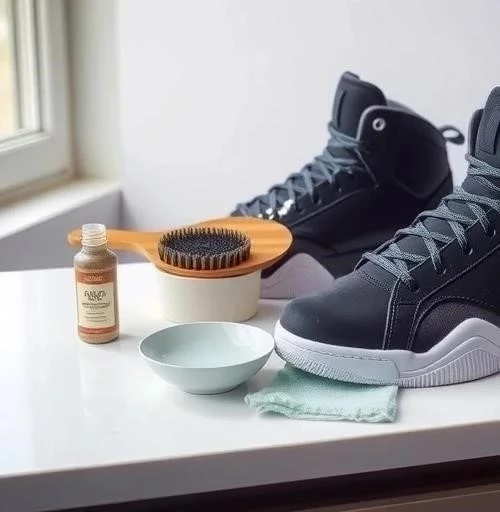
Women’s Puma basketball shoes are built for quick cuts‚ jumps‚ stops‚ and repeated contact with the court. Good care helps preserve their cushioning‚ upper materials‚ fit‚ and grip‚ whether you wear them for competitive games‚ training‚ or occasional play. The most reliable routine is simple: remove dirt promptly‚ clean gently‚ dry completely‚ and store the shoes somewhere cool and ventilated. Always check the care information for your particular pair first. Puma models can use different combinations of mesh‚ synthetic materials‚ leather‚ suede‚ rubber‚ foam‚ and fabric‚ so a method that is safe for one upper may damage another.
Start with the materials and the manufacturer’s guidance
Before cleaning‚ look at the product label or the care instructions supplied with the shoes. Identify whether the upper is mainly mesh‚ synthetic leather‚ natural leather‚ suede‚ or a mixture. If you are unsure‚ treat the shoe as delicate: use a soft brush‚ a small amount of mild soap‚ and minimal water. Avoid strong cleaners‚ bleach‚ solvents‚ and abrasive pads. They can fade color‚ weaken adhesives‚ roughen finishes‚ or leave residue that affects the material.
Test any cleaner on a small‚ inconspicuous area first. Wait for that spot to dry and check for color transfer‚ discoloration‚ or texture changes. A product described as “for sneakers” is not automatically suitable for every Puma upper. In particular‚ suede and nubuck need different care from smooth synthetic surfaces. When in doubt‚ follow the shoe’s instructions or ask a professional cleaner.
Remove court dust after each session
After playing‚ let the shoes cool and brush away loose dust‚ grit‚ and dried mud with a soft shoe brush or clean cloth. Pay attention to seams‚ the edge of the sole‚ and grooves in the outsole‚ where debris can collect. Removing grit before it is rubbed into the material makes later cleaning easier and helps prevent small particles from acting like sandpaper against the upper.
For a quick court-side clean‚ use a dry or slightly damp microfiber cloth. Do not soak the shoe‚ and do not scrub hard while the material is dry. If mud is wet‚ allow it to dry enough to lift away without smearing‚ then brush it off gently. Keep a separate cloth for the outsole so dirt from the floor is not transferred to the upper.
Clean the upper gently
For washable synthetic or mesh sections‚ mix a little mild soap with cool or lukewarm water. Dip a soft brush or cloth into the solution‚ wring it out‚ and work in small circles with light pressure. Clean one section at a time‚ then wipe it with a fresh cloth dampened with clean water to remove soap. Excess detergent can leave a film that attracts dirt‚ so use as little as needed.
Mesh needs a light touch. Avoid pushing a stiff brush into the weave‚ which can stretch or snag fibers. For smooth synthetic leather‚ wipe rather than scour‚ especially around printed graphics and glued edges. Do not assume that every panel on one shoe can be cleaned the same way: a mixed-material upper may include both wipe-clean areas and delicate fabric. Keep water away from openings where it can soak into the lining or cushioning.
Special care for suede and nubuck
Do not use the wet-cleaning method on suede or nubuck unless the care label specifically allows it. Let the material dry naturally‚ then use a suede brush to lift surface dirt. For a small dry mark‚ a suede eraser may help when used gently. Avoid household oils‚ creams‚ and ordinary shoe polish‚ which can permanently change the nap or color. If a stain remains‚ consult a cleaner experienced with sports footwear and suede.
Clean the outsole without damaging traction
The rubber outsole collects court dust‚ lint‚ and bits of debris that may reduce contact with a clean indoor floor. Use a damp cloth or a soft brush with mild soapy water to clean the tread. A soft toothbrush can reach narrow grooves‚ but do not dig into the rubber with a sharp object. Rinse the brush as you work so you do not spread dirt from one section to another.
Wipe away soap with a clean damp cloth‚ then dry the outsole before the next session. Do not put oil‚ polish‚ silicone spray‚ or sticky household products on the sole to make it feel grippier. Such substances can leave a slippery residue‚ collect dust‚ or affect the court surface; If the outsole is worn smooth‚ cracked‚ separating‚ or no longer provides dependable traction‚ cleaning cannot restore the lost tread. Consider replacing the shoes rather than relying on them for quick changes of direction.
Wash laces and insoles separately
Remove the laces before cleaning the upper. Wash them by hand in mild soapy water‚ rinse thoroughly‚ and air-dry them flat. If the laces are frayed‚ stretched‚ or difficult to keep tied‚ replace them with a compatible pair of the correct length. Check lace holes and surrounding material for tears; pulling hard on damaged eyelets can make the problem worse.
If the insole is removable‚ take it out after play so air can circulate inside the shoe. Wipe it with a slightly damp cloth and mild soap when needed‚ then let it dry completely before putting it back. Do not twist or wring foam insoles‚ and do not soak them unless the maker’s instructions permit it. If the insole is not removable‚ avoid pouring water into the shoe. Use a barely damp cloth on accessible areas and focus on thorough air-drying.
Dry slowly and completely
Moisture left inside a basketball shoe can lead to unpleasant odors and may affect materials or adhesives over time. After a sweaty game or a wet clean‚ loosen the laces‚ open the tongue‚ and remove the insole if possible. Blot excess moisture with a clean towel. Stuff the shoes loosely with plain‚ unprinted paper to help absorb dampness and maintain shape; replace the paper if it becomes wet. Do not pack the toe tightly‚ because that can distort the upper.
Leave the shoes in a well-ventilated place at room temperature until both the lining and upper are fully dry. Avoid radiators‚ hair dryers‚ tumble dryers‚ direct heaters‚ and prolonged strong sunlight. High heat can deform components‚ weaken glue‚ or change the feel of foam. Never put damp shoes back in a closed gym bag or sealed box. If you need to travel with them‚ let them air out first whenever possible.
Control odor with routine‚ not harsh sprays
Odor usually becomes harder to manage when sweat and moisture remain trapped inside the shoe. Wear clean basketball socks‚ air the shoes after each session‚ and rotate between pairs if you play frequently. Letting a pair rest between games gives the lining time to dry. Wash removable insoles according to their care guidance‚ and replace them if they remain unpleasant after cleaning or become compressed and uncomfortable.
A small amount of baking soda placed in a breathable pouch can help absorb odors while the shoes are stored; remove the pouch before playing. Avoid sprinkling powders directly into the shoe if they may cake in the lining or irritate your skin. Do not saturate the interior with perfume or disinfectant spray. Strong chemicals can irritate skin‚ leave residue‚ or mask rather than solve a moisture problem.
Store them to protect shape and performance
Store clean‚ dry Puma basketball shoes in a cool‚ dry place with some airflow. Keep them away from damp basements‚ hot cars‚ radiators‚ and direct sunlight. A breathable shoe bag or an open shelf is generally better for everyday storage than sealing a recently worn pair in plastic. If you use the original box‚ make sure the shoes are completely dry first and air them periodically.
Loosen the laces before storing‚ and avoid placing heavy equipment on top of the shoes. Do not fold the heel counter or crush the toe box. If you carry them in a sports bag‚ use a separate ventilated compartment when available‚ and take them out as soon as you get home. These simple habits help limit odor and prevent unnecessary creasing or deformation.
Check fit‚ wear‚ and safety regularly
Care is not only about appearance. Before each session‚ check that the laces‚ eyelets‚ seams‚ outsole‚ and heel area are in good condition. Look for separating layers‚ deep cracks‚ uneven wear‚ or cushioning that feels unusually flat. A shoe can look clean and still be past its useful playing life. If the sole slips‚ the shoe feels unstable‚ or your foot moves excessively inside it‚ do not rely on cleaning to fix the problem.
Women’s feet vary in width‚ arch shape‚ and volume‚ and a model’s fit can feel different from another Puma model. Recheck comfort if you change insoles or socks‚ or if the shoes become distorted. A properly laced shoe should feel secure without painful pressure‚ numbness‚ or rubbing. Do not tighten laces excessively to compensate for a poor fit. Persistent discomfort is a reason to stop playing in that pair and reassess the fit.
Common mistakes to avoid
- Putting them in a washing machine: machine agitation and soaking can damage structure‚ finishes‚ and adhesives. Hand-clean instead unless the specific care instructions explicitly say otherwise.
- Using hot water or high heat: heat can alter materials and shape. Choose cool or lukewarm water and air-dry patiently.
- Scrubbing aggressively: hard brushing can roughen coatings‚ snag mesh‚ and wear down printed details.
- Using bleach or harsh solvents: these may discolor the upper and weaken components. Stick to a mild cleaner suitable for the material.
- Putting them away damp: trapped moisture encourages odor and prevents the shoes from drying evenly.
- Applying products to the outsole for extra grip: coatings can make the shoe slippery or leave residue on the court.
A practical care routine
- After every session: remove loose dirt‚ loosen the laces‚ and air out the shoes. Take out removable insoles.
- When visibly dirty: brush off debris and spot-clean the relevant material with a gentle method. Wipe away any soap.
- Before storing: make sure the shoes‚ insoles‚ and laces are fully dry‚ then store them away from heat and moisture.
- Every few weeks of regular play: inspect the tread‚ seams‚ laces‚ and fit. Clean the outsole grooves and replace worn accessories as needed.
Consistent‚ gentle care is more effective than an occasional aggressive wash. By matching the cleaning method to the materials‚ drying your women’s Puma basketball shoes thoroughly‚ and checking their condition regularly‚ you can keep them fresher and more comfortable for longer. Still‚ no cleaning routine can restore worn cushioning‚ damaged support‚ or smooth tread. When the shoes no longer feel secure or dependable on court‚ prioritize safety and replace them.