
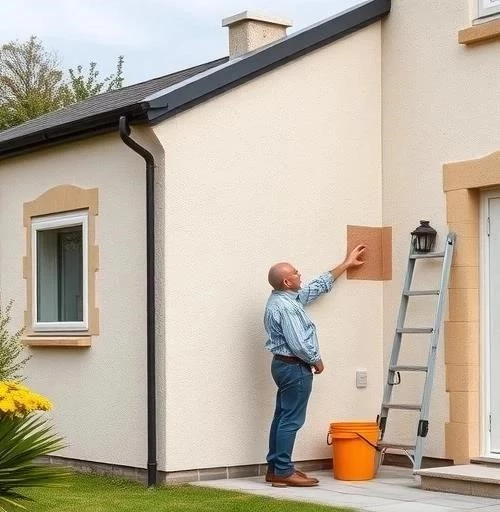
Autoclaved aerated-concrete blocks are durable‚ lightweight and energy-efficient‚ but they need sensible care. Walls made from this material can last for decades when kept dry‚ protected from severe temperature changes and finished with compatible products. Regular maintenance is simpler and cheaper than repairing neglected damage.
Keep water away
Moisture is the main concern. Check the foundation waterproofing‚ gutters‚ downpipes and roof overhangs each spring and autumn. Clear leaves from drains and make sure rainwater flows away from the house. The ground around the cottage should slope outward; a sound perimeter path also helps prevent splashback. Repair leaking joints promptly‚ and do not let snow pile against the walls;
Inspect the façade for peeling paint‚ open joints‚ damp patches and cracks. Pay particular attention after heavy rain and freeze-thaw weather. A breathable render or other suitable exterior finish helps the wall release moisture. Avoid impermeable coatings unless a specialist confirms they are appropriate. A water repellent can reduce rain absorption‚ but it cannot replace sound detailing or repairs.
Inspect and repair
Look over the building at least twice a year. Small hairline cracks may be cosmetic‚ but widening cracks‚ displaced blocks or recurring dampness need professional assessment. Repair masonry with compatible materials‚ restore damaged joints and renew the façade coating before water reaches the blocks. Keep records and photographs so changes are easy to track.
Check that the attic and rooms are ventilated. Cooking‚ bathing and drying laundry add indoor moisture; use extractor fans and air the rooms regularly. If walls remain damp‚ find the source rather than simply covering the stain. Good ventilation and prompt leak repairs help prevent mould and protect indoor air quality.
Seasonal care
Before winter‚ confirm that the roof drainage works‚ exterior finishes are intact and vulnerable pipes are protected. If rooms are consistently cold‚ assess insulation as a whole system: the material‚ vapour control and wall finish must work together. Poorly planned insulation can trap moisture; Ask a qualified designer to check the assembly before upgrading it.
With routine checks‚ timely repairs and suitable finishes‚ aerated concrete needs no special treatment. A dry base‚ working drainage‚ breathable exterior and balanced indoor humidity are the essentials. For major cracking or persistent damp‚ consult a building professional instead of relying on surface fixes.
9 Comments. Оставить новый
A concise maintenance checklist with a strong focus on prevention. I would find the recommendations easy to apply during regular home inspections.
A practical and easy-to-follow guide. The emphasis on keeping water away from the walls is especially useful for homeowners.
The section on indoor moisture adds an important perspective. Ventilation and fixing leaks can protect both the building and the people living in it.
The reminder to use compatible, breathable finishes is important. It helps explain why simply sealing a damp wall may not solve the underlying issue.
Good point that a water repellent cannot replace proper repairs and detailing. This is sensible guidance for anyone caring for an aerated-concrete home.
Clear, practical seasonal advice. Checking drainage and exterior finishes before winter is a simple way to reduce the risk of moisture damage.
A useful overview that balances routine upkeep with clear signs that call for professional assessment, such as widening cracks or persistent dampness.
I appreciate the clear advice to inspect the façade twice a year and take photographs. Tracking changes can make it easier to spot problems early.
This article makes maintenance feel manageable by breaking it into simple checks. The advice about gutters, drainage and ground slope is particularly helpful.