
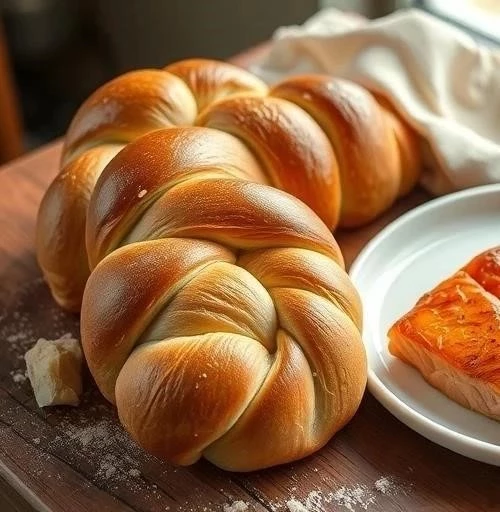
Fish challah combines braided yeast dough with a savory filling‚ so both parts must be prepared carefully. The most common problems—raw dough‚ a dry loaf‚ or a braid that splits—usually come from ingredient ratios‚ filling moisture‚ or oven settings. This challah recipe explains how to prevent them.
When the dough will not rise
Check your yeast first. Fresh yeast should smell pleasantly yeasty; dry yeast must be within its expiry date. Water that is too hot can kill either kind‚ while cold liquid slows activation. Measure the wheat flour and liquids accurately‚ but add flour gradually: different brands absorb different amounts.
During kneading‚ aim for a smooth‚ elastic dough that is slightly tacky‚ not stiff or runny. Too much flour makes a dry challah; too little leaves weak structure. If the dough did not rise‚ give it more time in a warm‚ draft-free place. If there is still no activity‚ the yeast may be inactive; start again with fresh yeast rather than adding flour.
Filling and braiding problems
Use boneless fish fillet and cook it lightly before filling the loaf. Raw fish releases liquid during baking and can leave the center soggy. Drain the fish well‚ cool it completely‚ and season with salt‚ pepper‚ herbs‚ lemon‚ or other fish spices. A juicy filling is desirable‚ but excess sauce is not: keep it moist‚ not wet.
Let the dough rise before shaping‚ then allow a second proofing after braiding. Do not overfill or stretch the strands too tightly; either can make the braid split. For neat braiding‚ divide the dough evenly and seal the ends firmly. Leave space around the filling so the dough can expand.
Baking and fixing mistakes
Preheat the oven and choose a conventional setting unless your recipe specifies fan baking. A moderate baking temperature‚ usually around 180°C (350°F)‚ helps the loaf cook through without over-browning. Baking time depends on loaf size‚ often 30–40 minutes. If the crust darkens too quickly‚ cover it loosely with foil. A golden crust is not proof that the center is done: check the thickest dough around the fish. If it is sticky or raw‚ bake longer at a lower temperature.
If the finished loaf is dry‚ likely causes include excess flour‚ overbaking‚ or too little filling. Next time‚ weigh ingredients‚ check the oven‚ and avoid baking by color alone. These cooking tips—proper kneading‚ full rising‚ drained fish‚ and patient proofing—make fish challah tender‚ flavorful‚ and evenly baked.



4 Comments. Оставить новый
Helpful guidance for avoiding a soggy center. Draining the fish well and keeping the filling moist rather than wet makes a lot of sense.
A useful overview of the most common challah problems. The baking temperature and foil suggestions are especially helpful for getting the loaf cooked through without a dark crust.
I found the braiding advice useful. Dividing the strands evenly and avoiding overfilling should make the loaf easier to shape and less likely to split.
The troubleshooting tips are clear and practical, especially the advice to check the yeast before changing the flour. I also appreciate the reminder to let the fish cool before filling the dough.