
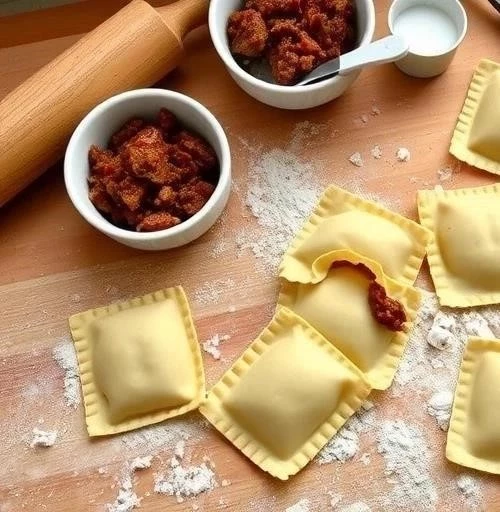
Diagnose the Dough: The Foundation of Meat Ravioli
Bad dough ruins pasta quality․
Argue that most failures begin before cooking: explain why dough tears‚ sticks to hands‚ or becomes too dry‚ and why dough that is too thick produces tough homemade ravioli instead of delicate Italian dumplings․
Failures mostly start before cooking: dry dough tears‚ excess moisture makes it stick to hands‚ and dough rolled too thick turns homemade ravioli tough‚ not delicate Italian dumplings․
Show how to make ravioli successfully by adjusting the dough’s moisture‚ resting it‚ and rolling it evenly; these steps create a workable dough for ravioli rather than trying to fix flaws after assembly․
Adjust moisture until pliable‚ rest dough to hydrate and relax‚ then roll evenly; this creates workable ravioli dough‚ since assembly cannot reliably fix flaws for gentle rolling․
Get the Meat Filling Right
Filling balance matters most!
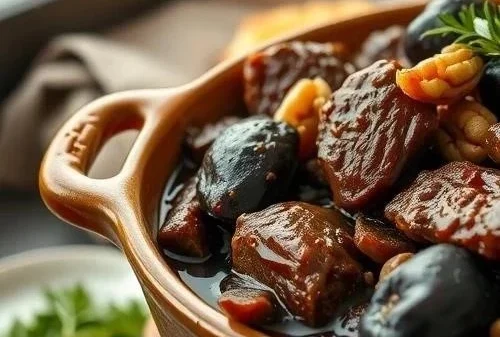
Compare beef ravioli and pork ravioli‚ then explain why the right filling consistency matters: meat filling should be moist and cohesive‚ not watery or crumbly‚ to keep the filling from leaking and deliver juicy meat ravioli․
Importantly‚ Beef ravioli are robust‚ while pork ravioli taste richer; either needs a moist‚ cohesive filling‚ not watery or crumbly‚ to retain juices and make each bite succulent․
Present a reliable ravioli recipe principle: season the ground meat for ravioli and control its moisture so the meat filling supports the pasta rather than weakening it․
Season ground meat evenly‚ then limit added liquid: a balanced mixture stays flavorful‚ and firm‚ so it supports the pasta instead of making it soggy or fragile․ It protects pasta․
Prevent Repeat Mistakes and Finish with Sauce
Fix faults; sauce must not overpower!


9 Comments. Оставить новый
The article offers a sensible framework for avoiding tears, sticking, and filling leaks by addressing their causes early. Its advice is concise, though specific examples would help readers apply it with greater confidence.
The piece effectively connects pasta thickness and filling moisture to the finished texture of ravioli. Its practical emphasis makes the guidance relevant to cooks who want more consistent results.
I appreciate that the article treats dough preparation and filling balance as related parts of the process. This helps explain why a good filling alone cannot compensate for pasta that is too dry or too thick.
The advice to rest dough before rolling is especially valuable because it links a simple step to easier handling. The article could be stronger with a little more detail on how to recognize the right dough consistency.
The explanation of how watery or crumbly filling can affect ravioli is clear and relevant. It gives readers a useful reason to pay attention to consistency, not just seasoning.
The article makes a convincing case for preventing problems rather than trying to repair them after assembly. A brief measurement or texture cue would make its practical advice even easier for beginners to follow.
The article clearly explains why dough problems often begin before cooking. Its focus on moisture, resting, and even rolling gives readers practical ways to prevent tough or fragile ravioli.
The comparison between beef and pork fillings is useful, especially because it connects their different flavors to the need for a cohesive texture. The advice to control moisture also makes the guidance more actionable.
This is a helpful overview of the main factors that influence homemade ravioli. The article stays focused on preparation choices that can prevent common failures, rather than offering vague assurances.