
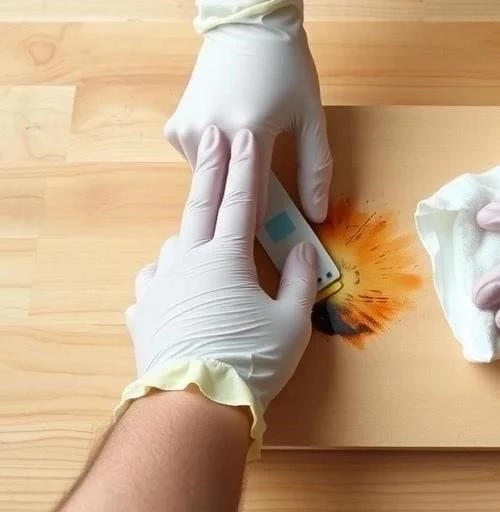
The best way to remove acrylic paint from wood depends on whether the paint is still wet, how thick or old it is, and whether you want to preserve the existing finish․ Fresh acrylic paint is water-based and usually comes off easily․ Once it dries, it forms a tougher film, so removal may require gentle scraping, sanding, or a paint remover․ Start with the mildest method and test it on a hidden spot: wood can scratch, stain, swell, or lose its finish․
Before you start
- Wear gloves and eye protection․ When sanding or using a remover, work outdoors or provide good ventilation; use a suitable dust mask for sanding․
- Protect nearby surfaces and keep children and pets away from the work area․
- Check whether the wood is raw, varnished, painted, or valuable․ A solvent that lifts acrylic may also damage the coating beneath it․
- Test your chosen method on an inconspicuous area and wait for it to dry before judging the result․
Removing fresh acrylic paint
Blot wet paint with a clean cloth or paper towel․ Lift it rather than rubbing it outward, which can spread the stain into the grain․ Then wipe the area with a cloth dampened with warm water and a small amount of mild dish soap․ Rinse the cloth, wipe away soap residue, and dry the wood promptly․ Avoid soaking the surface, especially if it is unfinished: excess water can raise the grain or cause swelling․
For paint caught in a narrow groove, use a soft toothbrush or cotton swab with soapy water․ Work gently and follow the direction of the grain․ If the wood has a clear finish, do not scrub aggressively; a rough sponge or abrasive pad can leave a dull patch even when the paint comes off․
Removing dried paint from finished wood
Begin by softening the paint rather than immediately scraping or sanding․ Hold a warm, damp cloth over the spot for several minutes, keeping the surrounding wood as dry as possible․ If the paint begins to soften, wipe it away carefully․ A plastic scraper or an old plastic card can help lift the edge․ Keep the tool nearly flat and move with the grain․ Avoid knives, metal scrapers, and forceful scraping, which can gouge the wood or cut through varnish․
If water does not work, try a small amount of rubbing alcohol on a cotton swab or soft cloth, after testing it in a hidden place․ Dab the paint; do not flood the surface․ Alcohol can soften some acrylic paints, but it can also dull or dissolve certain varnishes and finishes․ Stop if the finish becomes sticky, cloudy, or transfers to the cloth․ Wipe the area with a clean, lightly damp cloth and dry it․
Removing paint from bare wood
On unfinished wood, loosen dried paint with a plastic scraper first․ For a thin residue, sand lightly with fine-grit sandpaper, following the grain․ Use a sanding block for an even finish, and avoid sanding one small spot too deeply; a depression or visibly lighter patch may remain․ Remove dust with a vacuum or a dry cloth․ If you plan to stain the wood, check that no paint remains in the pores, since it can prevent stain from absorbing evenly․
When to use a paint remover
For thick, stubborn paint, use a product specifically labeled for acrylic or water-based paint and suitable for wood․ Follow the label exactly, including its instructions for ventilation, protective equipment, application time, and cleanup․ Apply only to the affected area where possible, and remove softened paint with a plastic scraper․ Some removers can discolor wood or damage finishes, so test first․ Do not mix products or use a remover in a confined space․
A heat gun may soften paint, but it is easy to scorch wood, damage a finish, or create hazardous fumes from unknown older coatings․ It is generally not the first choice for a small acrylic stain․ If the paint may be old or its composition is uncertain, avoid heating or dry sanding until you have checked for hazardous materials and chosen an appropriate method․
After removal
Let the wood dry completely․ If the finish has been dulled, lightly restore it only with a compatible polish or finish; for raw wood, sand evenly and remove all dust before applying stain or sealant․ Dispose of paint residue and chemical-soaked materials according to the product label and local rules․
In short: use warm, soapy water for fresh paint; try careful softening and plastic scraping for dried paint; reserve alcohol or a wood-safe remover for stubborn spots, always after a hidden-area test․ Gentle work is usually safer than aggressive scraping or sanding․
5 Comments. Оставить новый
The safety reminders and warning about excess water are useful, particularly for unfinished wood. This makes the guidance practical as well as easy to follow.
Using a plastic scraper rather than a metal tool is a sensible recommendation for protecting finished wood. The article clearly explains why patience matters when removing dried paint.
This is a clear, careful guide that takes the different types of wood surfaces into account. The step-by-step approach helps readers avoid jumping straight to harsh chemicals or sanding.
I appreciate the distinction between fresh and dried acrylic paint. Blotting wet paint instead of rubbing it is a simple tip that can help keep the stain from spreading into the wood grain.
The advice to start with the mildest method is especially helpful. Testing a hidden spot first can prevent damage to a finish that might be harder to fix than the paint itself.