
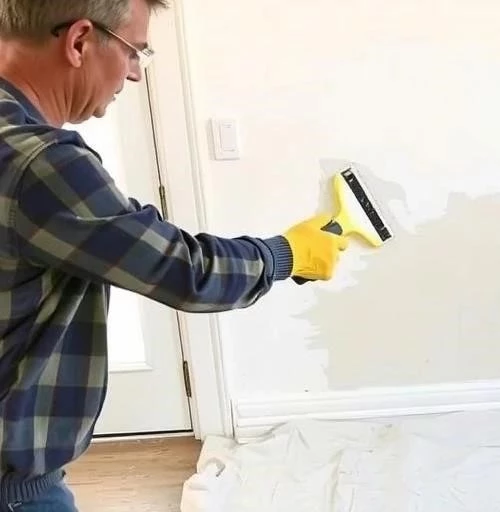
Removing acrylic paint from a wall is possible, but the safest method depends on two things: whether the paint is still wet and what lies beneath it․ Acrylic paint dries into a water-resistant film, so water alone may not lift an old coat․ At the same time, aggressive scraping or strong solvents can damage drywall, plaster, wallpaper, or the original finish․ The best approach is therefore to begin gently, test a small hidden area, and increase the strength of the method only when necessary․
Before you start
Identify the wall surface if you can․ Painted drywall and plaster can usually tolerate careful washing and scraping, while wallpaper, soft skim coats, and older or flaking surfaces are much more vulnerable․ If you are unsure, test the method in an inconspicuous spot․ Check the paint for lead if the building is old and the coating may predate local lead-paint regulations; do not dry-sand or scrape a suspect coating until it has been assessed․
- Protect floors and nearby furniture with drop cloths, and remove or cover electrical switch plates․
- Wear gloves and eye protection; ventilate the room when using cleaners or solvents․
- Use a plastic scraper rather than a sharp metal blade wherever possible․
If the paint is still wet
Act promptly․ Blot excess paint with a damp cloth instead of rubbing it outward, which can spread the stain․ Wipe gently with warm water and a little mild dish soap, rinsing the cloth frequently․ Work from the edges toward the center․ On a washable painted wall, this is usually enough․ Avoid soaking drywall: excess moisture can soften the paper facing and leave a raised, damaged patch․ Once the paint is gone, wipe with clean water and let the wall dry completely․
If the paint has dried
Try warm water and mild detergent
Dampen a sponge with warm, soapy water and hold it against a small area for a few minutes․ Then rub lightly in a circular motion․ This may soften thin or poorly bonded paint, but it is unlikely to remove a thick, fully cured layer․ Stop if the wall’s original paint begins to come off, the surface turns soft, or the paper facing starts to lift․
Lift loose edges carefully
If the acrylic film is already peeling, slide a plastic scraper under a loose edge and ease it away at a shallow angle․ Do not force the tool into the wall․ Pulling firmly can tear drywall paper or remove plaster, turning a paint-removal job into a repair․ A damp cloth can help soften an edge, but avoid wetting the wall repeatedly․
Use a suitable paint remover only when needed
For stubborn paint on a sound, washable surface, choose a remover labeled as suitable for acrylic or water-based paint and for the specific wall material․ Follow the product directions exactly, including its dwell time and ventilation requirements․ Test first: some removers discolor the underlying finish, soften wallpaper adhesive, or damage drywall․ Apply a small amount rather than flooding the area, then lift softened paint gently and clean the wall as directed by the manufacturer․
Do not assume that household alcohol, acetone, or strong paint thinner is a safe shortcut․ These products can dissolve or dull the wall’s existing finish, release irritating vapors, and create a fire risk․ Never mix cleaning chemicals, and keep solvents away from flames, heaters, and sparks․ If the coating does not respond to a gentle test, identify the surface and product before proceeding․
When sanding or repainting makes more sense
For a large area or a firmly bonded coat, removing every trace may cause more damage than leaving it in place․ If the surface is sound, it is often better to scrape only loose paint, feather rough edges with light sanding, apply a compatible primer, and repaint․ Sanding creates dust, so wear a suitable respirator, contain the work area, and avoid it altogether if lead may be present․ Do not sand through drywall paper․
If you need a completely bare wall, or if paint removal exposes crumbling plaster, extensive peeling, or moisture damage, consult a painter or wall-repair professional․ A specialist can determine whether a controlled stripping method is safer than repeated scraping․
Finish the job properly
After removal, let the wall dry fully․ Fill small gouges with an appropriate wall filler, allow it to cure, and sand the repair lightly if safe to do so․ Remove dust, apply primer suited to the surface, and repaint․ This preparation matters: painting over damp, greasy, or uneven patches can cause poor adhesion and visible marks․ In short, choose the least aggressive method that works; protecting the wall is more important than stripping paint at any cost․


5 Comments. Оставить новый
I appreciate the distinction between wet and dried acrylic paint. Prompt blotting and mild soapy water are practical first steps for fresh paint, while the warning not to soak drywall addresses an important risk that is easy to overlook.
This is a careful, practical approach because it avoids promising that water will remove every stain. Explaining that dried acrylic forms a water-resistant film sets realistic expectations and supports the recommendation to increase the cleaning method gradually.
The advice to identify the wall surface before choosing a removal method is especially useful. Drywall and wallpaper can be damaged easily, so starting gently and testing an inconspicuous area is a sensible way to avoid turning a small paint stain into a larger repair.
The safety guidance is a strong part of this article. In particular, recommending lead assessment for older coatings and discouraging dry sanding or scraping until the paint is checked helps readers avoid potentially serious exposure.
The emphasis on protecting nearby surfaces and using a plastic scraper where possible makes the instructions more complete. These precautions are particularly valuable for renters or anyone working on a wall whose underlying finish must be preserved.