
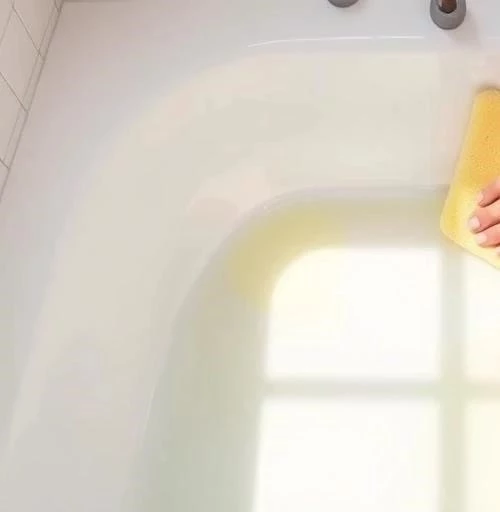
An acrylic tub should feel like a small white moon in your bathroom—not a weather map of yellow streaks․ The good news: many stains are simply soap film, mineral deposits, or iron from the water, and gentle cleaning can lift them․ If the color is inside worn or aged acrylic, however, no household cleaner can truly restore it; avoid scrubbing harder and consider professional advice․
Start with the gentlest method
- Rinse the tub with lukewarm water to loosen dust and residue․
- Mix baking soda with a little water to make a soft paste․ Spread it over yellow marks and leave for about 15–30 minutes․
- Wipe gently with a damp microfiber cloth or soft sponge, then rinse thoroughly and dry․
Baking soda is mildly abrasive, so use light pressure․ It should be a cushion, not sandpaper․ Never use a scouring pad, metal brush, or scraper: scratches dull acrylic and give grime more places to hide․
For mineral or rusty-looking marks
Try a cleaner specifically labeled safe for acrylic, following its directions․ For a mild deposit, you can test diluted white vinegar on an inconspicuous spot: dampen a cloth, briefly press it against the mark, then rinse well․ Do not leave acid on the surface for a long time․ If the stain remains, stop and ask the tub manufacturer which product is suitable․
Always test any cleaner first, ventilate the room, wear gloves if directed, and rinse the tub thoroughly․ Never mix cleaning products—especially vinegar with bleach—or combine different stain removers․ A surprising reaction is not the kind of bathroom makeover anyone wants․
What to keep away from acrylic
- Chlorine bleach, acetone, paint thinner, and harsh solvents․
- Powdered abrasives, gritty pastes, and stiff or metallic brushes․
- Strong acids or alkaline cleaners unless the label explicitly approves them for acrylic․
These can discolor, dull, soften, or crack the finish․ “White again” is not a bargain if the shine is gone․
Keep the whiteness from wandering
After each bath, rinse away soap and wipe the surface dry․ Clean weekly with a soft cloth and mild dish soap or an acrylic-safe bathroom cleaner․ Fix dripping taps, which can leave mineral trails, and rinse hair dye or colored products promptly․ If yellowing returns quickly, check for rusty water or persistent deposits․ Gentle, regular care protects the glossy surface far better than an occasional cleaning blitz․
3 Comments. Оставить новый
The strongest lesson here is that “more powerful” is not the same as “more effective.” This article gives acrylic the respect of a delicate material and makes safety feel like part of a good cleaning routine, not an afterthought.
The “small white moon” image makes this practical advice memorable without turning cleaning into a chemistry experiment. I especially appreciate the reminder that a stain inside aged acrylic may not be a stain at all—it may be the surface asking for gentler expectations.
A refreshingly calm guide in a world that often treats every mark as a battle to win. The advice to test first, use a soft touch, and stop when a cleaner fails could save both the tub’s finish and a lot of unnecessary scrubbing.